
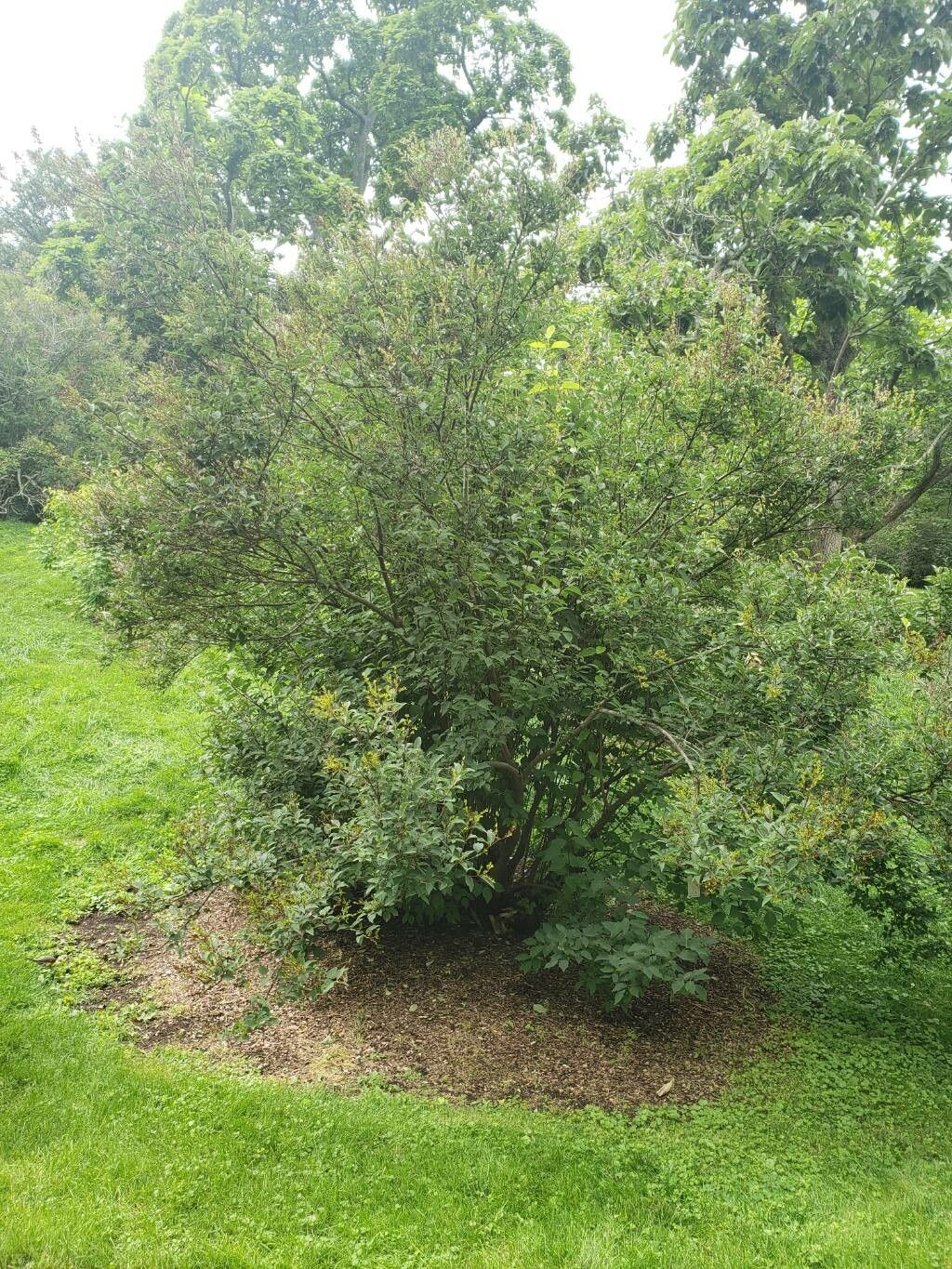
Unlocking the Secrets of Syringa Tomentella: Propagation Tips for Your Garden
If you’re captivated by the beauty of Syringa tomentella, also known as the Korean Lilac, you’re not alone. This elegant, fragrant shrub boasts velvety leaves and stunning lilac-pink blooms that add a touch of magic to any garden. But how do you share this beauty with others, or even expand your own collection? The answer lies in propagation!
Propagation is the art of creating new plants from existing ones. It can be a rewarding and economical way to expand your garden and enjoy the unique characteristics of your favorite plants. Syringa tomentella, like many lilac varieties, can be propagated using a few simple methods.
1. Softwood Cuttings: A Summertime Delight
The most common and successful method for propagating Syringa tomentella is through softwood cuttings. This technique involves taking cuttings from new, tender growth in the summer.
- Timing is Key: Late spring to early summer is the optimal period for softwood cuttings. Look for shoots that are just starting to mature and firm up – they’ll bend but not break easily.
- Cutting Technique: Select a healthy shoot, about 4-6 inches long. Make a clean cut below a leaf node (the point where a leaf grows from the stem) using a sharp knife or scissors. Remove the leaves from the bottom 1-2 inches of the cutting.
- Rooting Hormone: While not strictly necessary, applying a rooting hormone powder or gel to the cut end can increase the chances of successful rooting.
- Potting Mix: Fill a small pot with a well-draining potting mix. Dip the base of the cutting into the rooting hormone and insert it into the pot, ensuring the base is firmly planted.
- Care and Patience: Keep the pot in a sheltered location with bright, indirect light. Maintain consistent moisture but avoid overwatering. Rooted cuttings should start to appear within a few weeks.
2. Hardwood Cuttings: For the Patient Gardener
Hardwood cuttings offer another option for propagation, although it requires a bit more patience. This technique involves taking cuttings from dormant, woody stems in late fall or winter.
- The Winter Cuttings: Select healthy stems, preferably from the previous year’s growth. Cut pieces about 6-8 inches long, ensuring each cutting has at least 3-4 buds.
- Preparation: Prepare a pot with a well-draining potting mix. Dip the bottom end of the cutting into rooting hormone and insert it into the pot.
- Outdoors over Winter: Place the pot outdoors, where it can experience the natural cold of winter. Protect the cuttings from excess sun and wind.
- Spring Awakening: By spring, the cuttings should start to show signs of new growth. Keep them moist and continue to care for them in a well-lit location.
3. Layering: A Gentle Technique
Layering is a more hands-on approach that involves bending a branch of the plant and burying a portion of it in the soil. This allows roots to develop from the buried part of the branch.
- Choose a Branch: Select a healthy branch that can be easily bent without breaking.
- Induce Root Formation: Cut the stem at a point where it is about to be buried. Make a small incision along the stem to stimulate root growth.
- Burying the Branch: Gently bend the branch and bury the wounded section in the soil, securing it with a wire loop or pebble.
- Patience is Key: Roots may take a few months to develop, so it’s essential to keep the soil consistently moist. Once the branch has rooted well, it can be separated from the parent plant and transplanted.
A Note on Success:
Propagating Syringa tomentella, while rewarding, requires a bit of patience and attention to detail. Understanding the basics of propagation – timing, sanitation, rooting hormones, and care for the cuttings – significantly increases your chances of success. With practice, you’ll be able to share the beauty and fragrance of this exquisite shrub with friends or expand your own collection of Korean Lilacs, adding a touch of elegance to your garden year after year!