
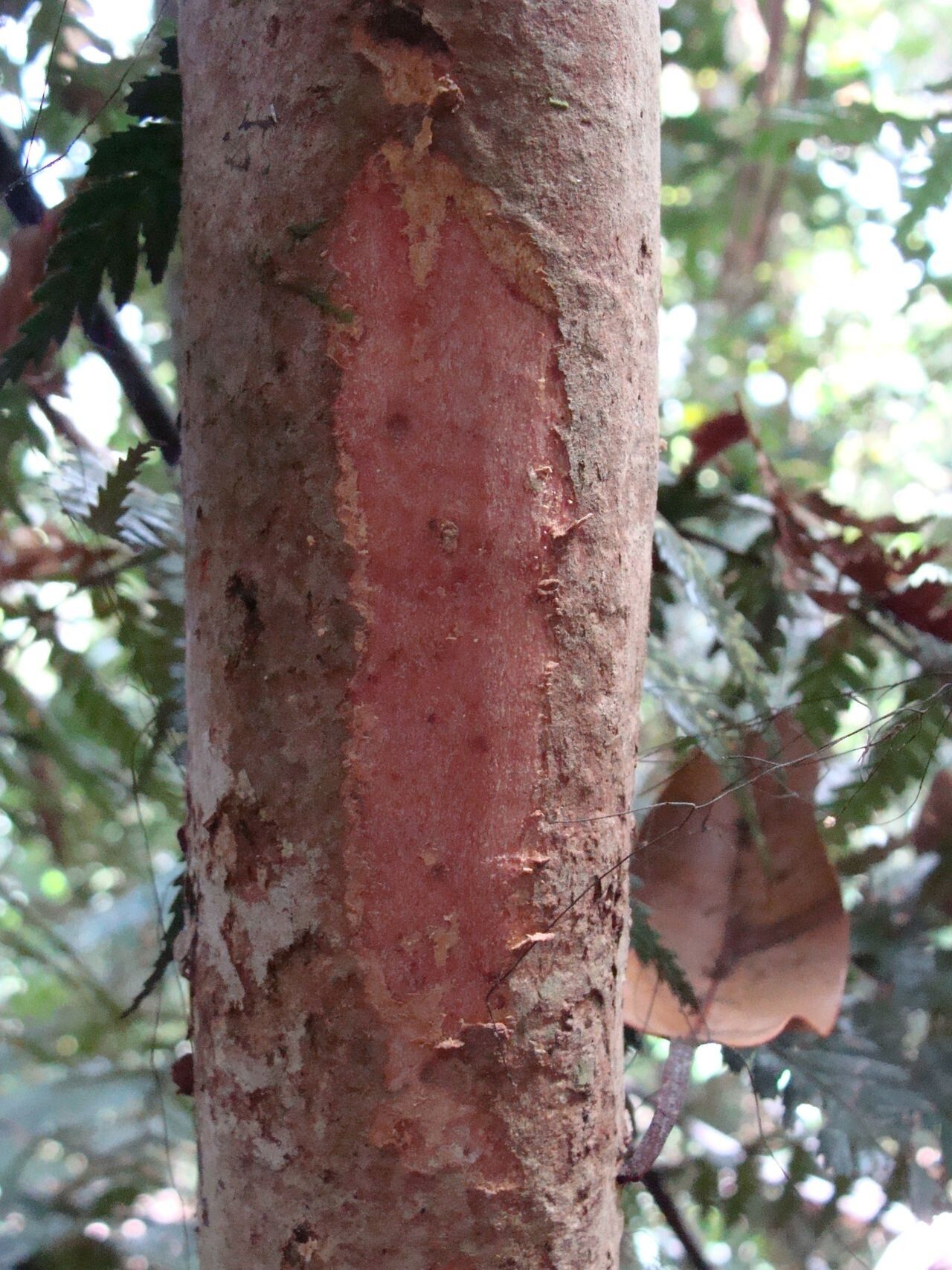
Propagating the Scarlet Brush: A Guide to Syzygium coccineum
Introduction:
Syzygium coccineum, commonly known as the Scarlet Brush or, less commonly, the Crimson Brush, is a captivating evergreen shrub or small tree prized for its vibrant, crimson-red new growth and attractive, glossy foliage. Its showy inflorescences of flowers and subsequent berry-like fruits add further ornamental value, making it a sought-after plant among gardeners. While relatively easy to maintain once established, propagating Syzygium coccineum presents some unique challenges, prompting exploration of various techniques. Its popularity stems from its adaptability to a range of conditions and its striking visual impact, making successful propagation a rewarding endeavor.
Seed Germination:
Currently, there are no known reliable methods for seed germination propagation of Syzygium coccineum. While seeds may occasionally germinate under ideal conditions, the success rate is extremely low and inconsistent, making this method impractical for most hobbyists and commercial growers.
Cuttings:
Cuttings offer a more reliable method for propagating Syzygium coccineum.
Challenges: The success rate with cuttings can be moderate, depending on the timing and techniques employed. Hardwood cuttings taken in late autumn or winter generally yield the best results. However, even with proper care, rot and fungal infections can be a significant hurdle.
Practical Tips: Use semi-hardwood cuttings (taken from current year’s growth) approximately 10-15cm in length. Dip the cut ends in a rooting hormone powder before planting in a well-draining propagation mix (like a peat/perlite mixture) kept consistently moist but not waterlogged. Misting regularly and providing high humidity (e.g., using a humidity dome) helps increase success rates. Bottom heat can also accelerate rooting.
- Rewards: Cuttings provide a faster route to a mature plant compared to other methods, leading to quicker gratification for gardeners. Maintaining the genetic characteristics of the parent plant is a significant advantage.
Division:
Division is generally not a practical method for propagating Syzygium coccineum. This plant doesn’t readily produce multiple stalks or suckers that can be easily separated and replanted.
Tissue Culture:
Tissue culture is a viable, albeit specialized, method for propagating Syzygium coccineum.
Challenges: Tissue culture requires sterile laboratory conditions, specialized equipment, and a thorough understanding of plant tissue culture techniques. It’s a relatively expensive and time-consuming method requiring expert knowledge.
Practical Tips: This is a method best left to nurseries or researchers with the necessary facilities and expertise which generally involves sterilizing plant material, culturing it on a nutrient agar medium in a sterile environment, and then transferring plantlets to individual pots for acclimatization.
- Rewards: Tissue culture offers the potential for large-scale propagation, producing many genetically identical plants quickly. This method is particularly useful for rapidly multiplying rare or desirable cultivars.
Conclusion:
Propagating Syzygium coccineum presents a varied range of challenges and rewards depending on the chosen method. While seed germination is largely unreliable, cuttings provide a relatively accessible pathway to success although patience and attention to detail are vital to counter the possibility of rot and fungal diseases. Division is largely impractical. Tissue culture, while offering the highest propagation potential, requires specialist skills and resources. The unique satisfaction derived from cultivating this striking plant lies precisely in overcoming these hurdles. The vibrancy of the scarlet new growth ultimately justifies the effort involved. For aspiring propagators, perseverance, understanding of the specific needs of the plant, and a willingness to experiment with the cutting propagation method should be fundamental to success, resulting in the addition of this beautiful plant to your garden or landscape.