
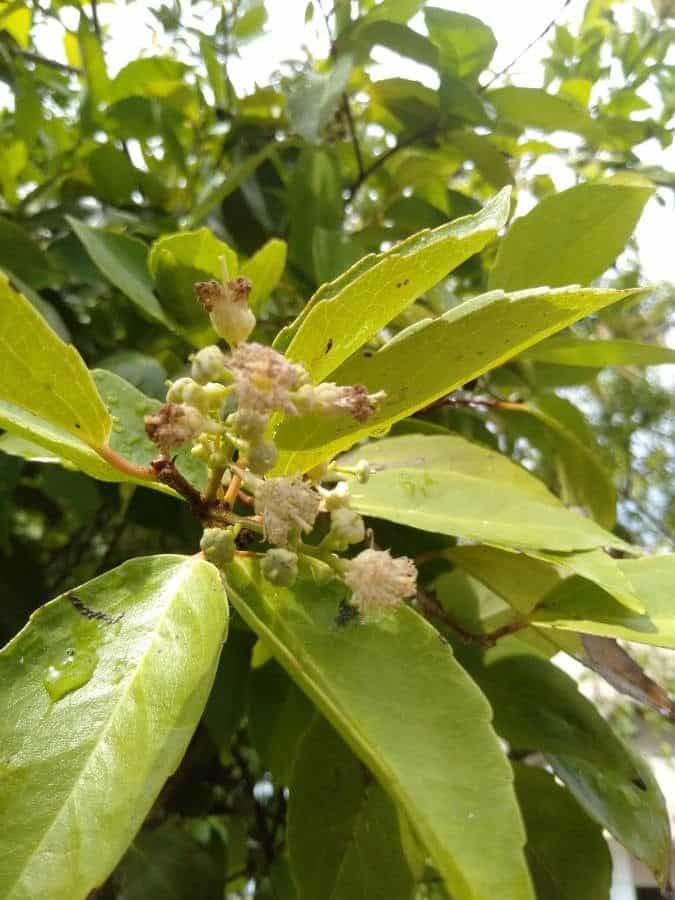
Unveiling the Secrets of the Java Plum: A Guide to Propagating Syzygium curranii
The Java plum, also known as Syzygium curranii, is a tropical fruit tree prized for its flavorful, pear-shaped fruits and attractive foliage. While native to the Philippines, this versatile tree can thrive in various tropical and subtropical climates, adding a touch of exotic beauty to gardens and landscapes. If you’re interested in growing your own Java plum, understanding the art of propagation is key.
This guide will walk you through the two most common methods – seed propagation and air layering.
Method 1: Starting from Seed – Embracing the Journey of Patience
For those who enjoy the full cycle of plant growth, starting from seed offers a rewarding experience. Keep in mind, however, that this method requires patience, as Java plum trees grown from seed can take several years to bear fruit.
- Seed Collection and Preparation: Harvest ripe Java plums and extract the seeds. Clean the seeds thoroughly to remove any fruit pulp, which can inhibit germination.
- Soaking and Sowing: Soak the seeds in water for 24 hours to enhance germination rates. Sow the seeds in a well-draining seed-starting mix, covering them with a thin layer of soil.
- Creating the Ideal Environment: Java plum seeds thrive in warmth and humidity. Place the seed tray in a warm location (around 75-85°F) and keep the soil consistently moist but not waterlogged. Consider using a propagation dome or plastic wrap to create a humid microclimate.
- Transplanting Seedlings: Once the seedlings develop a few sets of true leaves and are large enough to handle, transplant them into individual pots filled with well-draining potting mix.
Method 2: Air Layering – Achieving Faster Results
Air layering offers a faster alternative to seed propagation, allowing you to obtain a fruit-bearing tree more quickly. This method encourages root development on a branch while it’s still attached to the parent plant.
- Selecting a Branch: Choose a healthy, mature branch that’s approximately 1-2 centimeters in diameter.
- Girdling the Branch: Make a 1-inch upward slanting cut about 12 inches from the branch tip, cutting through the bark and into the cambium layer (the green layer beneath the bark). Apply rooting hormone to the cut area to stimulate root growth.
- Creating a Rooting Medium: Wrap the wounded area with moist sphagnum moss, ensuring good contact with the cut. Secure the moss in place with plastic wrap, aluminum foil, or a specialized air layering pot.
- Maintaining Moisture: Keep the moss consistently moist by misting it regularly.
- Separating the Rooted Layer: Once the rooting medium is filled with a healthy network of roots (usually within a few months), carefully sever the branch below the newly formed roots.
- Potting the Layered Branch: Plant the layered branch in a pot filled with well-draining soil and care for it as you would a mature Java plum tree.
Caring for Your New Java Plum Tree
Whether you choose to start from seed or try your hand at air layering, providing the right care is crucial for the successful establishment of your Java plum tree. These trees thrive in full sun to partial shade and well-drained soil. Consistent watering is essential, especially during the first few years after planting. Regular fertilization will also help your Java plum thrive and produce an abundance of delicious fruit.
Propagating your own Java plum tree is a rewarding experience for any gardening enthusiast. By understanding the nuances of each propagation method, you can enjoy the satisfaction of cultivating this beautiful and fruitful tree from seed or branch to bountiful harvest.