
Propagating the African Milkwood: A Gardener’s Guide to Tabernaemontana africana
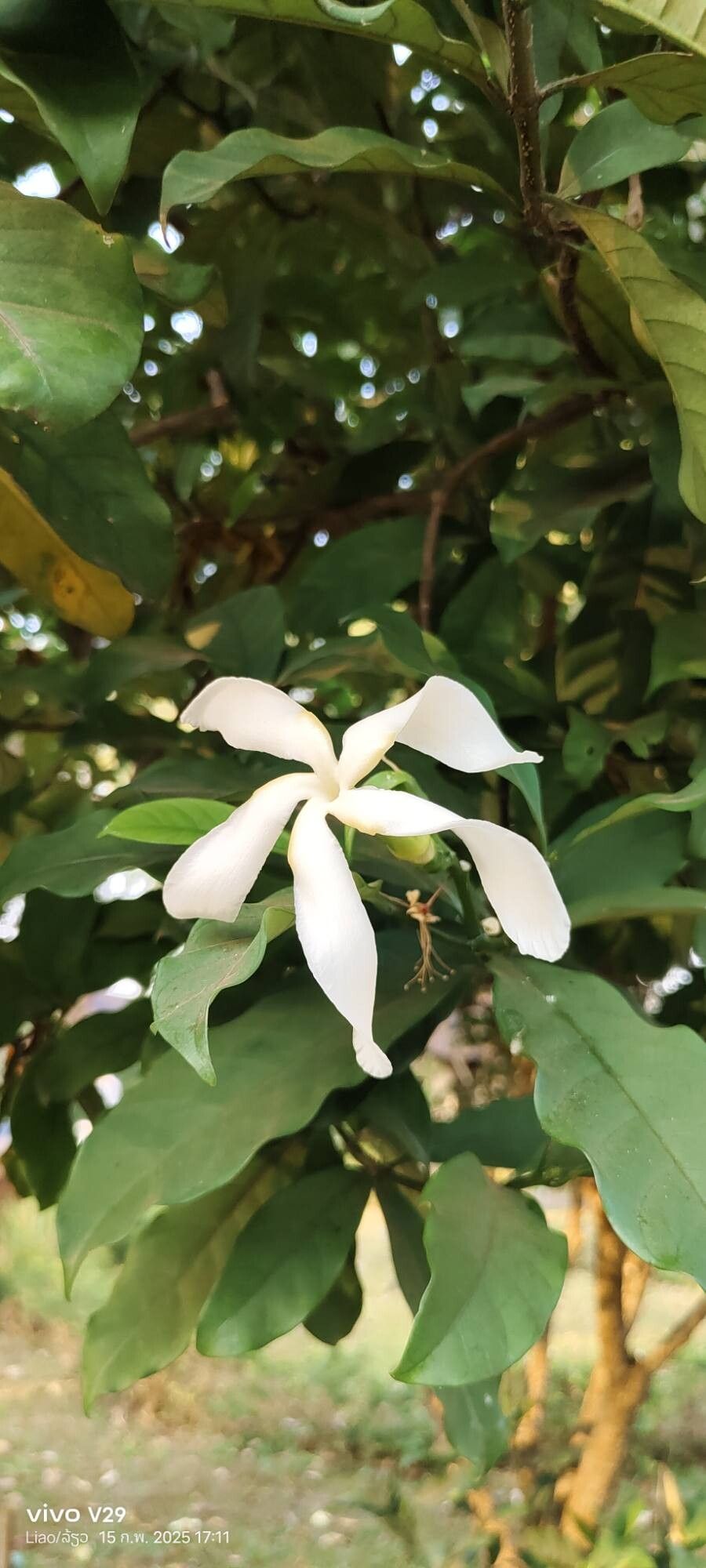
Tabernaemontana africana, also known as the African Milkwood, is a captivating evergreen shrub or small tree prized for its glossy, dark green foliage and fragrant, white, star-shaped flowers. Its attractive appearance and relatively low maintenance requirements have made it a popular choice among gardeners, especially in tropical and subtropical climates. However, propagation can present unique challenges. This article explores various methods to successfully cultivate this beautiful plant.
Seed Germination:
Currently, there are no known reliable methods for seed germination propagation of Tabernaemontana africana. While seeds may be produced, their viability is reportedly very low, and germination rates are extremely poor, even under optimal conditions. Further research is needed to determine if specific pre-treatment techniques (e.g., scarification, stratification) might improve germination success.
Cuttings:
Cuttings present a more viable option for propagating Tabernaemontana africana.
Challenges: Rooting cuttings can be slow and inconsistent, requiring patience and the right conditions. Bacterial and fungal infections can hinder rooting success.
Tips: Take semi-hardwood cuttings (partially mature growth) in late spring or early summer. Use a sharp, clean knife or pruning shears to avoid damaging the tissues. Remove lower leaves to prevent rotting and dip the cut end in a rooting hormone powder. Plant cuttings in a well-draining, sterile medium (e.g., perlite and vermiculite mix) and maintain high humidity (using a propagator or plastic bag). Consistent warmth and indirect sunlight are essential.
Rewards: Cuttings offer a relatively straightforward method to clone the parent plant, ensuring the preservation of desirable traits. This method is suitable for both home gardeners and nurseries.
Division:
Division is not a practical method for propagating Tabernaemontana africana. The plant’s root system is not readily divisible into independent, viable sections. Attempts at division are likely to result in the death of the parent plant or the newly separated sections.
Tissue Culture:
Tissue culture offers a potentially more reliable and efficient method for large-scale propagation of Tabernaemontana africana.
Challenges: Tissue culture requires specialized equipment, a sterile environment, and expertise in plant tissue culture techniques. It’s a more expensive and technically demanding method than cuttings.
Tips: Establishing aseptic conditions is crucial to prevent contamination. The use of appropriate growth media and plant growth regulators is essential for successful shoot multiplication and root development.
Rewards: Tissue culture enables rapid multiplication of plants, producing many genetically identical offspring from a single parent plant. This is particularly useful for mass production and conservation efforts.
Conclusion:
Propagating Tabernaemontana africana presents a unique set of challenges and rewards. While seed germination is unreliable, cuttings offer a viable option for home gardeners, albeit requiring patience and attention to detail. Tissue culture offers greater potential for large-scale propagation but demands specialized knowledge and resources. The successful cultivation of this plant, irrespective of the method chosen, is immensely rewarding. The fragrance of its blossoms and the glossy sheen of its leaves are a testament to the dedication and perseverance of the propagator. Don’t be discouraged by initial setbacks. Experimentation and patience are key to mastering the art of propagating this beautiful African Milkwood. Start with cuttings, and if you aspire to larger-scale propagation, consider exploring the possibilities of tissue culture through collaboration with nurseries or botanical institutions.