
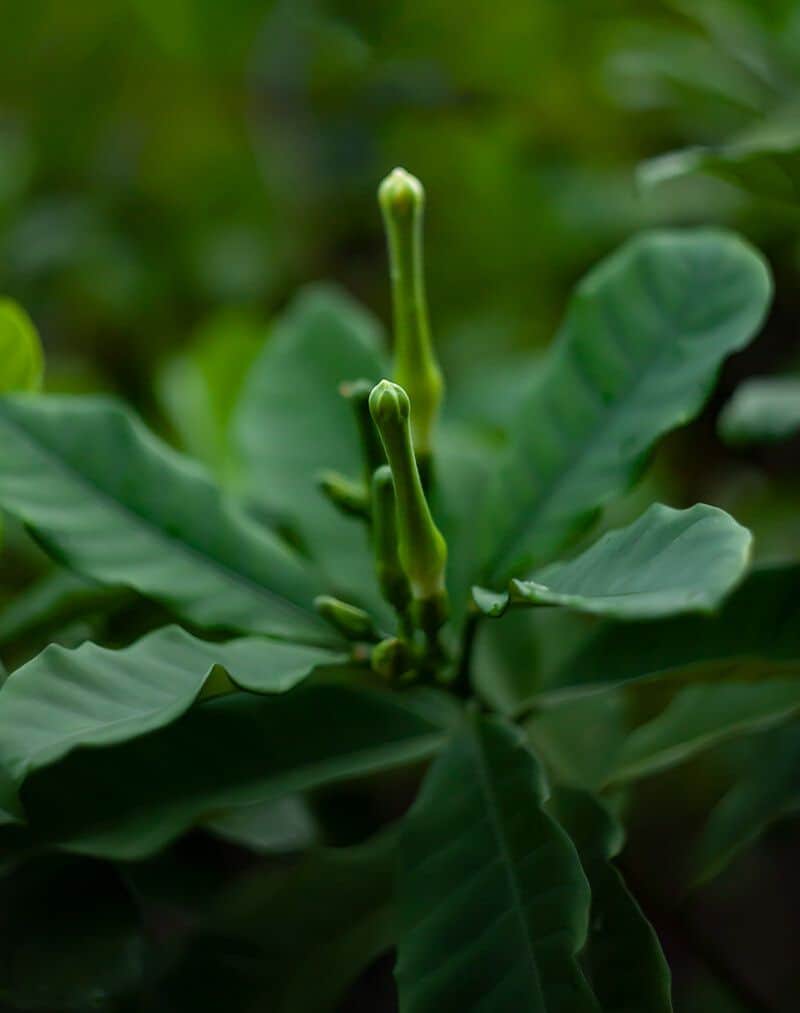
Unlocking the Secrets of Propagation: How to Multiply Your Tabernaemontana Pachysiphon
The Tabernaemontana pachysiphon, known for its glossy leaves and fragrant, pinwheel-shaped blooms, is a stunning addition to any garden or home. If you’re lucky enough to have one of these beauties, you might be wondering how to create more of these tropical treasures. Propagation is the answer!
While this might sound intimidating, propagating a Tabernaemontana pachysiphon is surprisingly achievable, even for beginners. Let’s explore the two most effective methods:
1. Stem Cuttings: A Step-by-Step Guide
Stem cuttings are the most common and reliable propagation method for this plant. Here’s what you need:
- Sharp, sterilized pruning shears or a knife: This ensures clean cuts and minimizes the risk of infection.
- A healthy Tabernaemontana pachysiphon: Choose a stem that’s firm, not too woody, and shows new growth.
- Rooting hormone (optional, but recommended): This helps stimulate faster and more successful root development.
- Well-draining potting mix: A blend of peat moss, perlite, and vermiculite works well.
- Small pots or seed trays: Choose containers with drainage holes.
Instructions:
- Prepare your cuttings: In the morning, take cuttings about 4-6 inches long, cutting just below a leaf node (where the leaf attaches to the stem). Remove the leaves from the bottom half of the cutting.
- Optional: Dip in rooting hormone: Follow the instructions on your rooting hormone product.
- Plant the cuttings: Make a small hole in the potting mix and gently insert the bottom inch or two of the cutting. Firm the soil around the base.
- Water thoroughly: Water the cuttings gently, ensuring the potting mix is moist but not soggy.
- Create a humid environment: Cover the pot with a clear plastic bag or use a propagation dome to maintain humidity.
- Place in indirect light: Avoid direct sunlight, which can scorch the cuttings.
- Be patient: Root development can take 4-8 weeks. Mist the cuttings regularly and keep the soil slightly moist.
- Transplant carefully: Once roots have developed and new growth appears, carefully transplant each cutting into a larger pot with well-draining soil.
2. Air Layering: A Slightly Advanced Technique
Air layering is another successful method, especially for propagating thicker branches. Here’s a simplified approach:
- Choose a healthy branch: Select a branch that’s at least 1/2 inch thick and shows vigorous growth.
- Make a wound: Carefully make a 1-inch upward cut about 6-8 inches from the tip of the branch. You can use a sterilized knife or make a small notch.
- Apply rooting hormone: (Optional but recommended) Apply a small amount of rooting hormone to the wounded area.
- Wrap with moist sphagnum moss: Surround the wound with a handful of damp sphagnum moss, forming a ball around the cut.
- Secure with plastic wrap: Wrap the moss tightly with plastic wrap, securing both ends with tape or ties. The moss should be completely enclosed.
- Monitor moisture: Check the moss regularly and mist if it starts to dry out.
- Wait for roots: Roots will typically develop within 6-8 weeks, becoming visible through the plastic wrap.
- Sever and pot: Once roots are established, carefully cut the branch below the rooted section and pot the new plant in a well-draining mix.
Tips for Success:
- Ensure your tools and pots are clean to prevent fungal or bacterial infections.
- Use a light and airy potting mix that allows for good drainage.
- Provide indirect sunlight and maintain moderate humidity.
- Be patient and don’t be discouraged if some cuttings don’t take.
Propagating your Tabernaemontana pachysiphon can be a rewarding experience. With a little patience and care, you can multiply your fragrant beauties and share the joy of these captivating plants with others!