
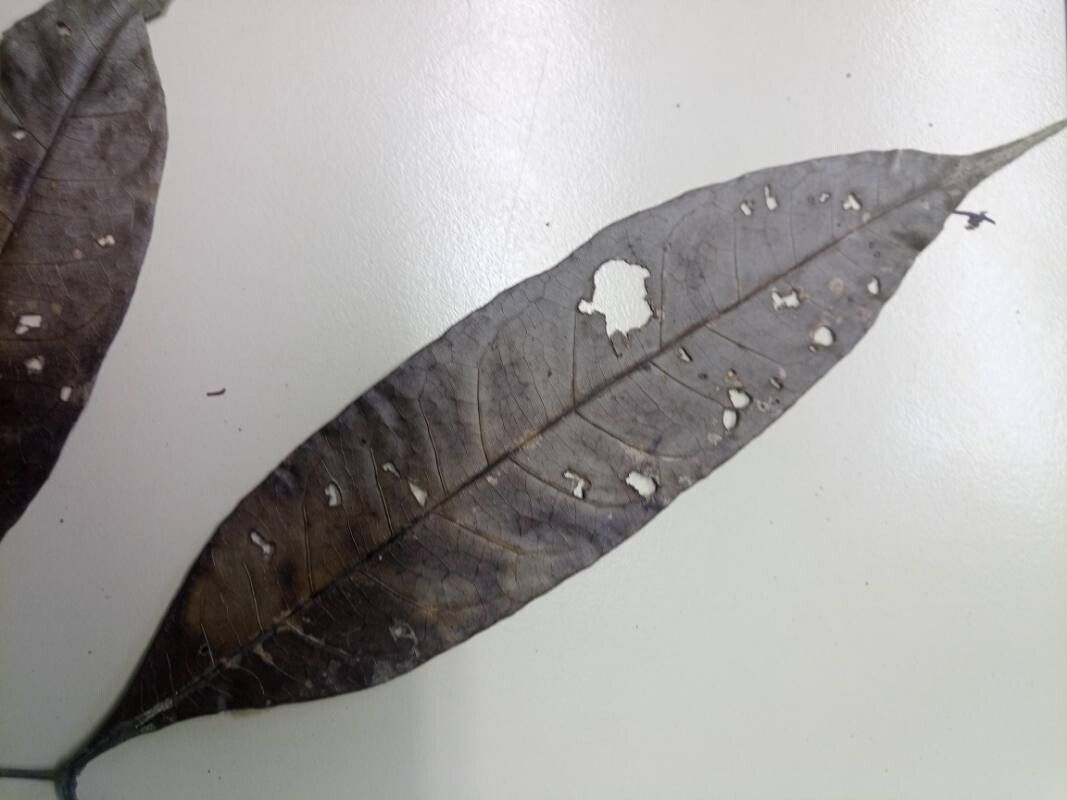
Unlocking the Secrets of Talisia Carinata: A Guide to Propagation
The Talisia carinata, also known as the “Brazilian Plum” or “Pau-de-bola,” is a captivating tropical fruit tree admired for its delicious, sweet fruits and striking, vibrant foliage. If you’re a plant enthusiast dreaming of adding this beauty to your garden, propagating your own Talisia carinata can be a rewarding experience. This guide will unravel the secrets of successful propagation, allowing you to cultivate your own patch of these tropical gems.
A Multifaceted Approach to Propagation
Talisia carinata offers several propagation methods, each with its advantages and considerations:
Seed Propagation: This is the simplest and most common method. Acquire fresh seeds from ripe fruits and promptly prepare them for germination. The seeds require warm temperatures (70-80°F) and moist conditions for successful sprouting. You can achieve this by sowing seeds in a seed tray filled with a well-draining potting mix and covering them with a plastic dome to retain humidity. Patience is key, as germination can take several weeks.
Air Layering: This technique is ideal for mature Brazilian Plum trees. Select a healthy branch with good diameter and carefully remove a section of bark, about 2-3 inches long. Apply a rooting hormone to the exposed area and wrap it with moistened sphagnum moss, securing it with plastic wrap. Maintain ample moisture in the moss and after a few months, you should see new roots developing. Carefully sever the branch below the rooted section and transplant it into a suitable container.
- Cuttings: For propagating Talisia carinata from cuttings, you’ll need a sharp knife or pruning shears. Choose healthy, semi-hardened stems with several nodes. Cut the stems at an angle below the node, dip the cut end in rooting hormone, and insert them into a damp rooting medium like perlite or vermiculite. Keep the medium consistently moist and provide adequate humidity with a plastic dome or bag. While this method requires more attention, it can be rewarding, yielding new plants much faster than seed propagation.
Cultivating Your New Talisia Carinata:
Once your seedlings or cuttings have established roots (indicated by healthy new growth), it’s time to transplant them into larger containers or outdoor positions. Choose a location that receives plenty of sunlight (at least 6 hours per day) and has well-drained soil. Be mindful of frost; Brazilian Plums are susceptible to frost, so ensure your chosen location is frost-free.
Essential Care Tips:
- Watering: Regular watering is crucial during the initial establishment phase. Aim for maintaining consistently moist soil, but avoid overwatering which can lead to root rot.
- Fertilization: Provide regular fertilization with a balanced fertilizer to support vigorous growth and fruit production.
- Pruning: Periodic pruning can help maintain the desired shape and size of the tree, and promote healthy growth.
Beyond the Garden:
The delicious fruits of the Talisia carinata are not only a treat for humans but also attract local wildlife. This makes the Brazilian Plum a valuable addition to your garden ecosystem, contributing to biodiversity and the beauty of your green haven. Propagating your own Talisia carinata is a rewarding way to enjoy the beauty and bounty of this tropical treasure. With patience and care, you can witness the journey from seed to fruit-bearing tree, enriching your garden with a unique and flavorful touch.