
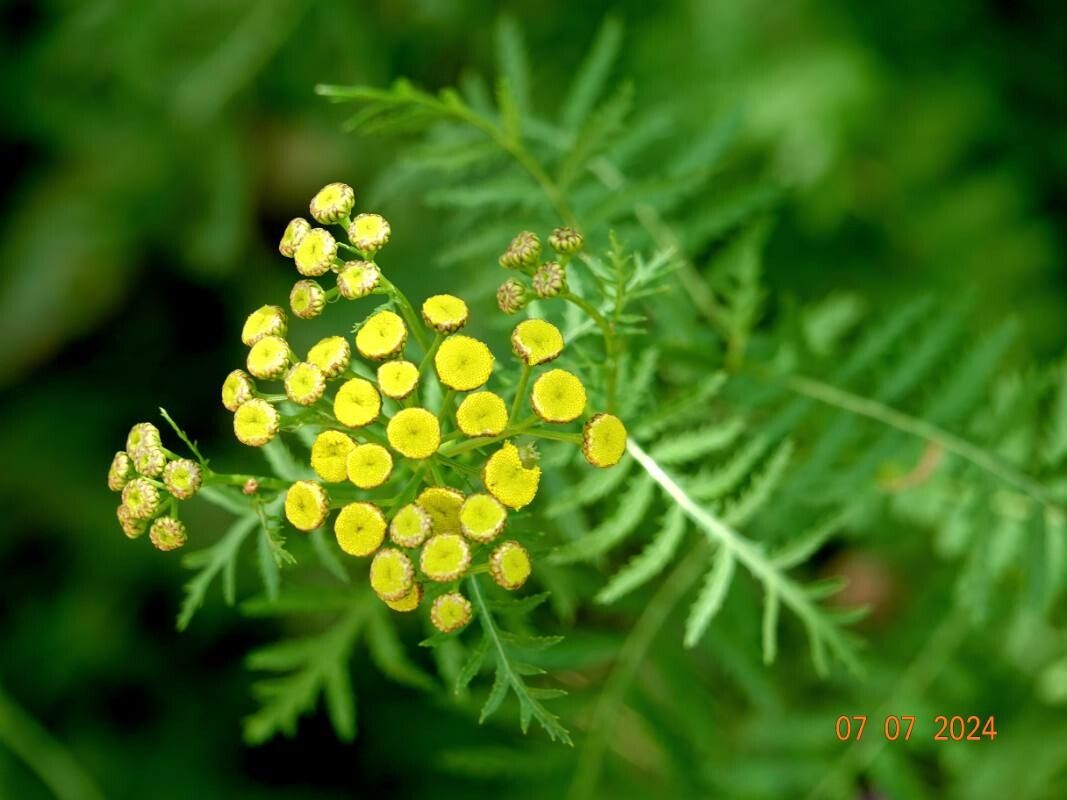
Golden Buttons Galore: Multiplying Your Tansy With Ease
Tansy (Tanacetum vulgare), with its cheerful button-like yellow flowers and feathery foliage, adds a touch of sunshine to any garden. This hardy perennial, known for attracting beneficial insects and its historical uses in herbal remedies, is surprisingly easy to propagate. If you’re looking to expand your tansy patch or share this delightful plant with friends, here’s a comprehensive guide to get you started.
Three Ways to Multiply Your Tansy:
Tansy offers multiple paths to successful propagation, allowing gardeners of all levels to join the fun. Here are the most common and effective methods:
1. Seed Starting for a Sea of Gold:
- When to Sow: Start tansy seeds indoors 6-8 weeks before the last frost or sow directly in the garden after the danger of frost has passed.
- Sowing the Seeds: Scatter seeds on the surface of well-draining seed starting mix and press them lightly. They need light to germinate.
- Warmth and Moisture: Maintain a temperature around 70°F (21°C) and keep the soil consistently moist but not soggy.
- Transplanting: Once seedlings have developed several sets of true leaves, harden them off gradually before transplanting them outdoors after the last frost.
2. Division for Mature Clumps:
- Timing is Key: Divide tansy plants in early spring or fall when the soil is moist.
- Digging Deep: Carefully dig up the entire clump, ensuring you get a good root system.
- Divide and Conquer: Using a sharp, clean knife or garden spade, divide the clump into smaller sections, each with healthy roots and shoots.
- Replanting: Replant the divisions immediately at the same depth they were originally growing, spacing them 1-2 feet apart.
3. Taking Cuttings for Clones:
- Best Time for Cuttings: Take cuttings in late spring or early summer from new growth.
- Making the Cut: Use a clean, sharp knife or pruners to take cuttings about 4-6 inches long, just below a leaf node.
- Prepping the Cuttings: Remove the lower leaves and dip the cut end in rooting hormone (optional but helpful).
- Planting and Patience: Plant the cuttings in a well-draining potting mix and keep them consistently moist. It takes several weeks for roots to form.
Tansy Thrives on Care:
Regardless of the propagation method you choose, providing the right environment ensures your new tansy plants flourish:
- Sun-Kissed Location: Tansy adores sunshine and thrives in 6 or more hours of direct sunlight daily.
- Well-Drained Soil: While tansy tolerates various soil types, it dislikes “wet feet.” Opt for a location with excellent drainage.
- Watering Wisely: Water deeply but infrequently, allowing the soil to dry slightly between waterings.
- Deadheading Delight: Deadheading spent flowers encourages bushier growth and prevents unwanted self-seeding.
A Note of Caution: While tansy is generally pest-free, it’s considered mildly toxic to humans and animals if ingested in large quantities. Handle with gloves and keep away from children and pets.
With its vibrant color, low-maintenance nature, and fascinating history, tansy makes a wonderful addition to any garden. By following these propagation techniques, you can easily multiply your own golden buttons and enjoy this sunny perennial for years to come.