
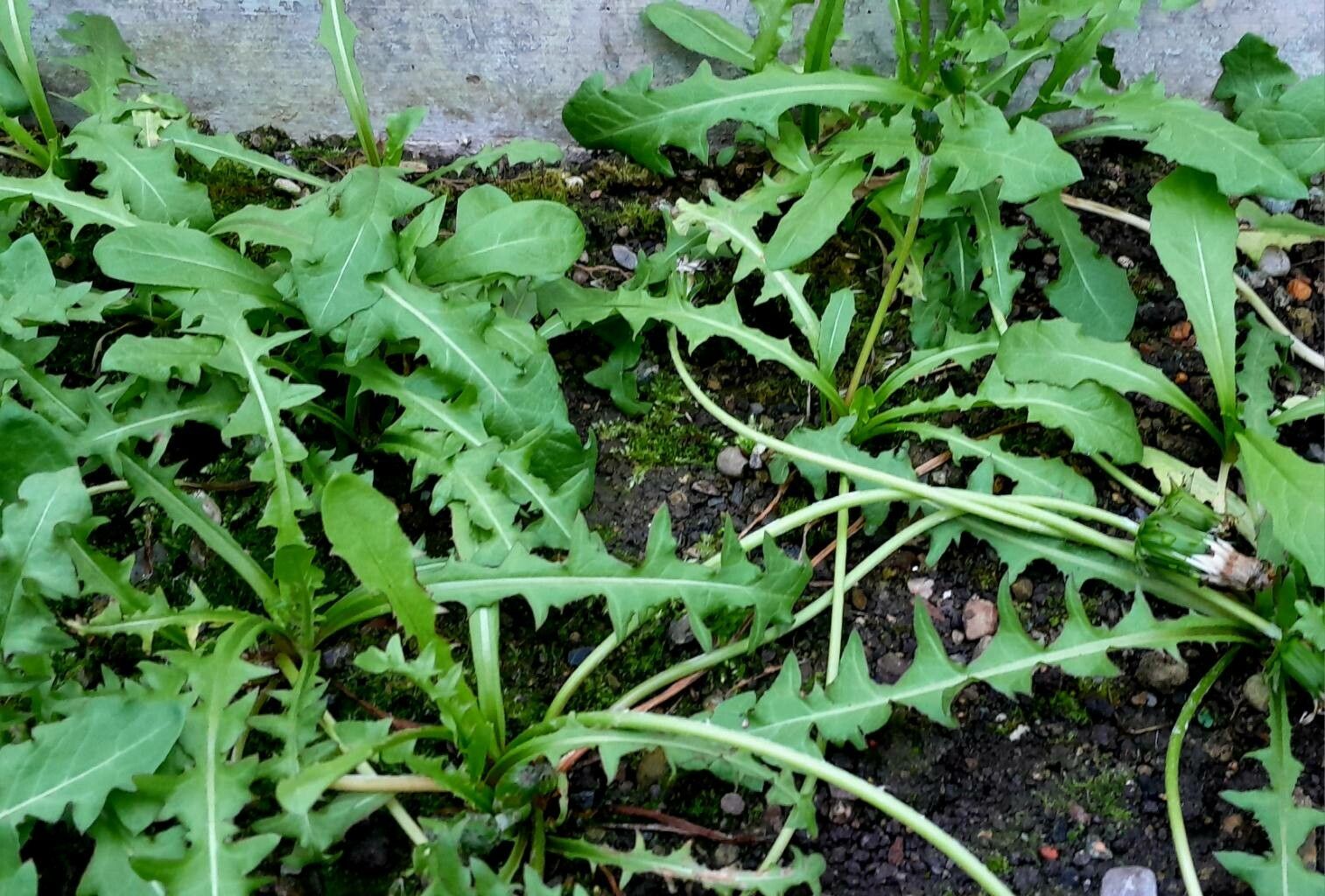
Mastering the Art of Multiplying the White Dandelion: A Guide to Propagating Taraxacum albidum
The familiar sight of a dandelion puff releasing its seeds into the wind is a whimsical experience we all treasure. But did you know that the dandelion family boasts a lesser-known, elegant member with captivating white petals? We’re talking about Taraxacum albidum, more commonly known as the White Dandelion.
This Asian native isn’t just a pretty face. It’s hardy, adaptable, and offers unique beauty to any garden setting. More excitingly, multiplying your white dandelion patch is a surprisingly simple process that even novice gardeners can master. Let’s explore the different ways you can propagate this fascinating plant:
1. The Magic of Seeds:
Just like its yellow cousin, Taraxacum albidum produces those iconic seed heads filled with parachuted seeds. Here’s how to utilize them:
- Collecting: Once the flower heads mature and form the white puffballs, carefully snip them off. It’s best to choose a dry day to prevent mold growth during storage.
- Storing: Place the seed heads in a paper bag for a week in a cool, dry place. This allows them to dry completely and for the seeds to detach.
- Sowing: You can direct sow the seeds in spring or fall. Sprinkle them lightly over prepared soil and lightly rake them in, ensuring good seed-to-soil contact.
- Germination: With regular watering, you should see sprouts emerge within 1-2 weeks.
Tip: The seeds of Taraxacum albidum have a relatively short viable lifespan. For best results, sow them as fresh as possible.
2. Division for a Fuller Look:
For established plants, division is an effective way to expand your white dandelion haven:
- Timing: Early spring or late fall are the ideal times for division, when the plant’s energy is focused on root development.
- Uprooting: Carefully dig up the entire clump you wish to divide.
- Separation: Using a sharp, clean knife or garden spade, carefully separate the clump into smaller sections, ensuring each division has a healthy set of roots and leaves.
- Replanting: Choose a new location with well-drained soil and replant the divisions at the same depth they were originally growing. Water well and watch them thrive.
Benefits of Division: Division not only propagates your plants but also helps rejuvenate older clumps, encouraging healthier growth.
3. Experimenting with Root Cuttings:
While slightly more challenging, propagating Taraxacum albidum through root cuttings offers a rewarding experience:
- Cuttings: In early spring or fall, carefully dig around the base of a healthy plant and take 2-3 inch root cuttings.
- Preparation: Lay the cuttings horizontally on a tray filled with seed-starting mix, ensuring they are covered with a thin layer of the mix.
- Growth: Keep the mix consistently moist and place the tray in a warm, well-lit location. New shoots should appear within a few weeks.
- Transplanting: Once the new plants have developed a strong root system, they can be transplanted into individual pots or directly into the garden.
Note: Not all root cuttings may be successful, so patience and persistence are key.
The Charm of the White Dandelion:
Propagating Taraxacum albidum is an enjoyable and rewarding process, whether you choose to work with seeds, divisions, or root cuttings. With a little time and effort, you can effortlessly spread the unique beauty of the White Dandelion throughout your garden landscape. Happy propagating!