
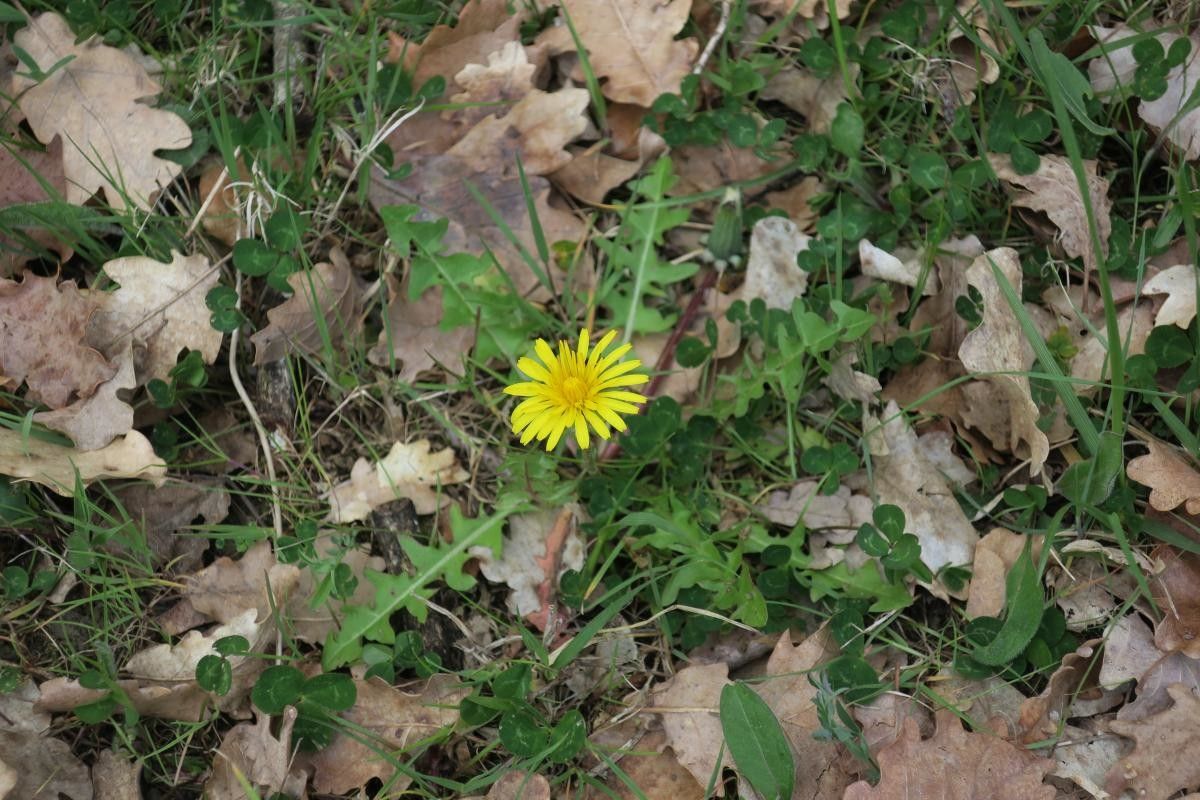
From Dandelion to Delight: Propagating the Uncommon Taraxacum amansii
The dandelion, a ubiquitous weed in many parts of the world, is often overlooked for its humble appearance. But beneath its familiar yellow blossoms lies a fascinating world of variation, including the lesser-known “Taraxacum amansii”. This species, often mistaken for its commonplace cousin, holds a unique beauty and can be a rewarding addition to any garden. But if you’re looking to cultivate this uncommon dandelion yourself, propagation is key.
Seeds of Opportunity:
Taraxacum amansii propagates primarily through seeds. Unlike many cultivated plants, this dandelion doesn’t require complex techniques. The simplicity of its propagation is part of its appeal. Here’s how to get started:
- Harvest Seed Heads: Once the dandelion’s yellow blooms have faded, fluffy white seed heads will appear. Wait for the seeds to mature, evidenced by the fluffy heads becoming dry and brittle. Gently cut the seed heads with a pair of sharp scissors or a knife.
- Gathering the Seeds: Carefully break open the seed heads and collect the tiny, parachute-like seeds.
- Sowing the Seeds: Seeds can be directly sown in the garden or started indoors. Choose a location with full sun or partial shade and well-drained soil. Scatter the seeds thinly on the soil surface, and barely cover them with a thin layer of soil.
- Watering and Patience: Keep the seeds moist but not waterlogged. Germination usually occurs within two to three weeks, but be patient, as some seeds may take longer.
A Tale of Division:
While seed propagation is the most common method, Taraxacum amansii can also be propagated through division. This method involves dividing a mature plant into smaller sections, each containing its roots and foliage.
- Choose the Right Time: The best time for division is in early spring or late summer.
- Prepare the Plant: Carefully dig up the established plant, ensuring you don’t damage the root system.
- Divide and Conquer: Use a clean knife or sharp shovel to separate the plant into smaller divisions. Each division should have healthy roots and foliage.
- Replanting: Immediately replant the divisions in a new location with similar growing conditions as the original plant. Ensure the roots are covered with soil and water them well.
Cultivating the Delightful Dandelion:
Taraxacum amansii is relatively low-maintenance, thriving on neglect and adding a touch of wildness to your garden. Here are some tips for cultivating this unique species:
- Location: Choose a sunny or partially shaded spot with well-drained soil. This dandelion prefers open spaces, but it can also tolerate some shade.
- Watering: Water regularly, especially during dry periods.
- Fertilizing: While not strictly necessary, you can apply a light application of compost or slow-release fertilizer in the spring.
- Pests and Diseases: Taraxacum amansii is generally resistant to pests and diseases. However, keep an eye out for common garden pests.
Beyond Beauty:
The beauty of Taraxacum amansii extends beyond its delicate blooms. The plant offers a range of culinary and medicinal benefits:
- Culinary Delights: Young leaves are edible and can be used in salads, soups, and stir-fries. They have a slightly bitter flavor reminiscent of spinach.
- Medicinal Marvels: Dandelions have long been used in traditional medicine for their diuretic, anti-inflammatory, and antioxidant properties.
Whether you are a seasoned gardener or a novice green thumb, the journey of propagating Taraxacum amansii is a rewarding experience. It offers a glimpse into the fascinating world of dandelions and a chance to appreciate the beauty of nature, even in the most unexpected places. So, consider adding this unique species to your collection and embrace the delightful quirks of the humble dandelion.