
Taming the Wild: How to Propagate the Exquisite Taraxacum campylodes
You might know it as a humble dandelion, but did you know there’s a whole world of these cheerful blooms beyond the common lawn variety? Taraxacum campylodes, with its delicate, pale-yellow flowers and deeply serrated leaves, is a prime example. This charming European native isn’t just a feast for the eyes; it offers a unique flavor to salads and even yields a delicious, coffee-like drink from its roasted roots.
Ready to invite this intriguing plant into your own garden? While finding Taraxacum campylodes at your local nursery might be a long shot, propagating this beauty is surprisingly easy. Let’s explore the methods:
1. Seed Starting: A Journey from Fluff to Flower
The most common propagation method, seed starting, allows you to witness the full life cycle of your Taraxacum campylodes. Here’s how:
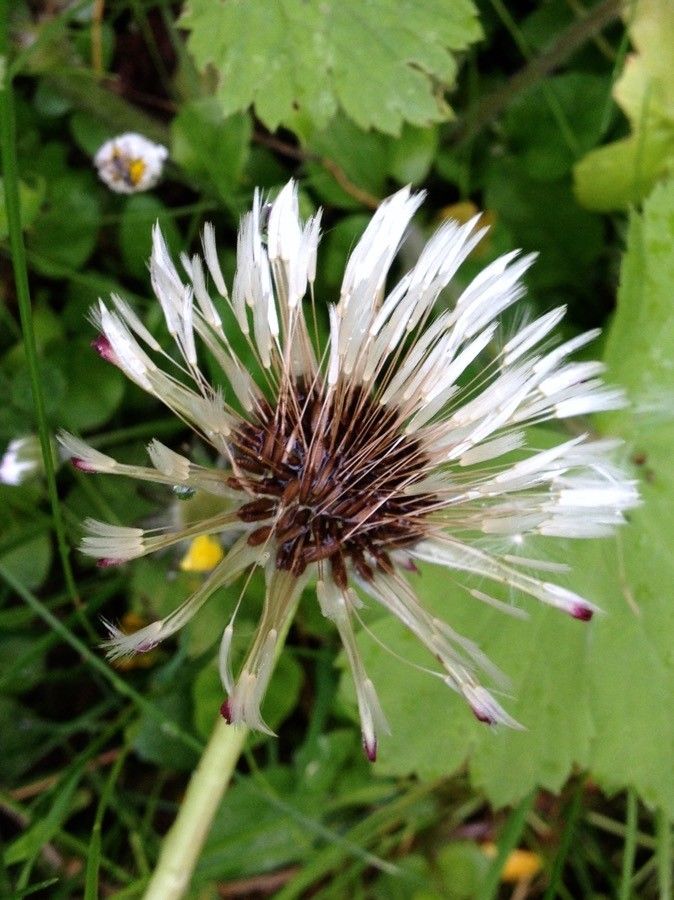
- Collecting Seeds: Keep an eye out for those iconic, fluffy seed heads. Gently pluck them when they’re dry and easily detach. Remove any debris and store the seeds in a cool, dry place until you’re ready to plant.
- Sowing Time: You can sow the seeds directly outdoors in early spring or late summer. Alternatively, start them indoors 6-8 weeks before the last frost for an earlier bloom.
- Sowing Process: Use a well-draining seed starting mix. Sprinkle the seeds on the surface and lightly press them down, ensuring they receive adequate light for germination.
- Patience, Young Padawan: Be prepared to wait. Germination can take anywhere from 1 to 3 weeks, depending on the temperature and moisture levels.
- Transplanting Time: Once the seedlings develop a couple of true leaves, they’re ready to be transplanted outdoors after the risk of frost has passed.
2. Division: Multiplying Your Bounty
For a quicker reward, consider dividing established plants. This method involves separating a mature Taraxacum campylodes into multiple plants, each with its own root system.
- When to Divide: The best time for division is in early spring or fall when the plant is dormant or just beginning its growth cycle.
- The Big Dig: Carefully dig up the plant, ensuring you get as much of the root system as possible.
- Separation Anxiety: Using a sharp, clean knife or garden shears, divide the plant into sections, ensuring each section has a good amount of roots and leaves.
- Replant and Thrive: Replant the divisions at the same depth they were originally growing. Water them thoroughly and watch them flourish!
A Few Tips for Success:
- Well-Drained Soil is Key: Taraxacum campylodes thrives in moist, well-drained soil. Amend heavy clay soils with compost or sand to improve drainage.
- Sun Worshipper: While this plant tolerates some shade, it flowers best in full sun locations. Ensure your chosen spot receives at least 6 hours of direct sunlight daily.
- Watering Wisely: Water regularly, especially during dry periods, but avoid overwatering, which can lead to root rot.
- Controlling the Spread: Remember, Taraxacum campylodes can self-seed readily. To prevent unwanted spreading, deadhead spent flowers regularly.
With a little effort, you can cultivate your own patch of Taraxacum campylodes and enjoy its unique charm year after year. Not only will your garden be adorned with delightful blooms, but you’ll also have a source of fresh, flavorful greens and a fascinating conversation starter about the often-overlooked world of “gourmet” dandelions.