
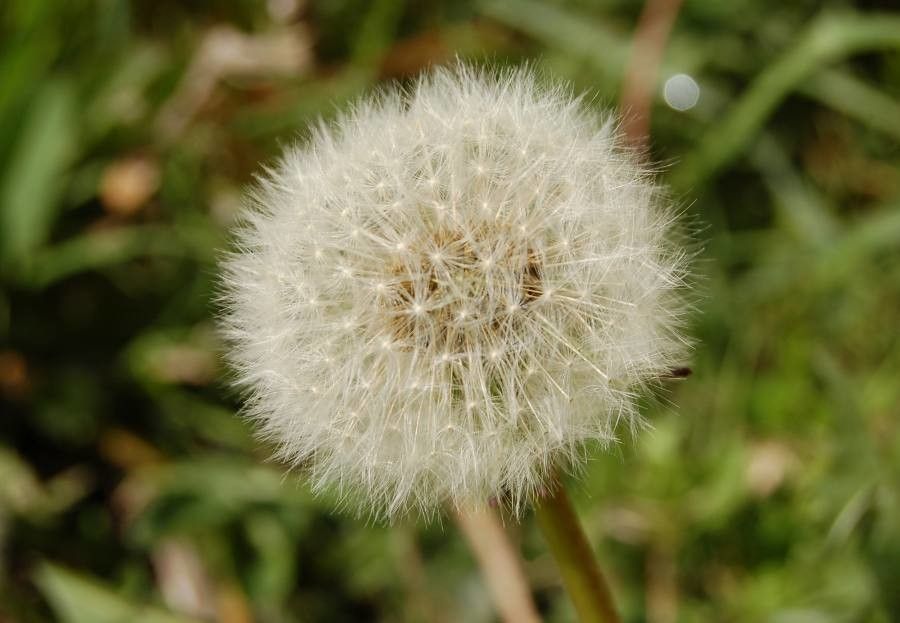
Taming the Wild: How to Propagate Dandelions (Taraxacum perincisum)
You might know them as resilient weeds stubbornly popping up in your lawn, but did you know you can cultivate the humble dandelion (specifically, Taraxacum perincisum) intentionally? While their reputation might precede them, dandelions boast a surprising array of uses, from culinary delights to medicinal remedies. Intrigued? Let’s explore how you can easily propagate and welcome this versatile plant into your garden.
Dandelion Power: A Quick Overview
Before we jump into propagation, let’s appreciate the dandelion’s diverse properties:
- Edible Delights: From root to flower, every part of the dandelion is edible, offering a slightly bitter, earthy flavor. Add young leaves to salads, brew the roasted roots into a coffee substitute, or even create tasty dandelion wine from the flowers!
- Nutritional Powerhouse: Packed with vitamins A, C, and K, and boasting an impressive mineral profile, dandelions offer a nutritional boost often overlooked.
- Herbal Remedies: Traditional medicine recognizes the dandelion for its diuretic and digestive properties.
Propagation Methods: Seeds of Success
Dandelions are masters of propagation, spreading readily through their iconic seed heads. However, you can harness this power and cultivate them intentionally using two primary methods:
1. Direct Sowing:
- Timing is Key: For best results, sow dandelion seeds in early spring or late fall, taking advantage of cooler temperatures and natural rainfall.
- Prepare the Bed: Choose a sunny or partially shaded spot. While dandelions tolerate various soil types, well-drained soil is ideal. Loosen the top layer of soil and remove any existing weeds.
- Sow with Care: Scatter the seeds evenly over the prepared area and lightly rake them into the soil. Dandelion seeds need light to germinate, so avoid burying them deeply.
- Water Consistently: Keep the soil consistently moist until the seeds germinate, which usually takes 1-3 weeks.
- Thinning Out: Once seedlings emerge and have a few true leaves, thin them out to about 6-8 inches apart to prevent overcrowding.
2. Starting Indoors:
- Early Start Advantage: Starting seeds indoors 4-6 weeks before your last frost date gives your dandelions a head start.
- Seed Starting Setup: Use seed starting trays filled with a well-draining seed starting mix.
- Sowing Process: Sow seeds individually in each cell, lightly pressing them into the surface.
- Light and Warmth: Place the trays in a sunny location or under grow lights. Maintain a temperature of around 70-75°F (21-24°C).
- Transplant Time: Once the seedlings develop a strong root system and the outdoor temperatures are consistently warm, carefully transplant them to your prepared garden bed.
Caring for Your Dandelion Patch
Dandelions are relatively low-maintenance plants:
- Watering: Water regularly, especially during dry periods, ensuring the soil remains moist but not waterlogged.
- Weed Control: Keep the area around your dandelions weed-free, as they can easily outcompete young plants.
- Harvesting: Enjoy the fresh leaves throughout the growing season. Harvest flowers before they fully open for optimal flavor.
A Word of Caution:
While dandelions offer various benefits, be mindful if you’re allergic to ragweed, as cross-reactivity is possible.
Cultivating Curiosity:
Moving beyond their “weed” label reveals the humble dandelion’s remarkable qualities. With minimal effort, you can propagate and cultivate your own patch, embracing its culinary potential, nutritional prowess, and historic medicinal uses. So why not give it a try? You might be surprised at the versatile plant hiding in plain sight.