
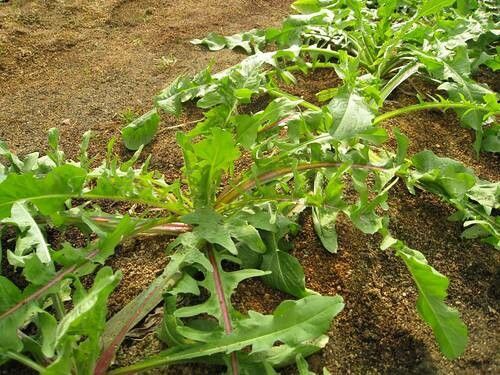
From Humble Weed to Lush Garden: Propagating the Mighty Dandelion (Taraxacum platycarpum)
You might know it as the bane of your perfectly manicured lawn, but the dandelion (Taraxacum platycarpum) is far more than just a pesky weed. This resilient plant holds a wealth of medicinal benefits, culinary uses, and, perhaps most surprisingly, beautiful potential for propagation.
While dandelion may not be the first plant that comes to mind when you think of a cultivated garden, it’s a surprisingly easy and rewarding plant to propagate. Here’s a guide to help you embrace the dandelion’s potential:
The Power of Seeds:
Dandelions are best known for their seed dispersal strategy. Those fluffy white spheres, known as seedheads, are actually a collection of tiny seeds attached to tiny parachutes, ready to catch the wind and spread far and wide.
- Collecting Seeds: Wait until the seedheads are mature and fluffy. Gently snip them off the plant, ensuring you collect the entire sphere. Place them in a paper bag and allow them to dry in a warm, well-ventilated area for a week or two. Once dry, gently shake the bag to release the seeds into a container.
- Sowing Seeds: Scatter seeds directly into prepared soil, creating a shallow furrow, covering lightly with soil, and watering gently. Dandelions prefer full sun and well-drained soil. You can also start seeds indoors in seed trays 6-8 weeks before the last frost.
Unlocking the Potential of Root Division:
Dandelions are also easily propagated through root division. This method allows for faster growth and the establishment of a new plant more quickly.
- Timing is Key: Early spring or late fall are the ideal times to divide dandelion roots.
- Prepare the Plant: Gently dig up a mature dandelion plant. Use a sharp knife or spade to carefully divide the root ball, ensuring each section has a healthy set of roots and leaves.
- Replanting: Plant the divided root sections in prepared soil, watering regularly to help them establish.
Beyond the Basic Methods:
- Leaf Cuttings: While less common, dandelion leaves can be propagated through cuttings. Cut a healthy leaf from a mature plant and dip the base in rooting hormone. Plant the cutting in a moist potting mix and keep it in a warm, humid location.
- Transplanting: Dandelions can also be easily transplanted from your lawn to a designated area. Dig up the entire plant, including the root ball, and carefully relocate it to the desired spot. Ensure proper watering and care to help the plant establish itself.
The Rewards of Propagation:
Propagating dandelions can be a rewarding and sustainable way to grow this versatile plant. You’ll not only have a constant supply of dandelion greens for your kitchen, but also a source of medicinal benefits and a beautiful addition to your garden.
Don’t underestimate the power of this often overlooked plant. With some patience and care, you can easily cultivate a thriving patch of dandelions and reap the benefits of this humble yet mighty weed!