
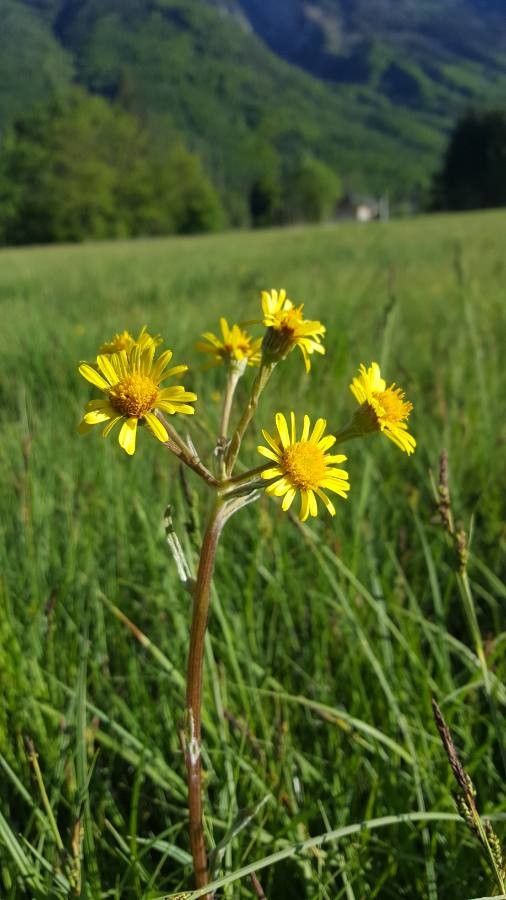
From One to Many: Mastering the Art of Propagating Tephroseris helenitis (Fleabane)
Tephroseris helenitis, commonly known as fleabane, is a charming wildflower with striking yellow daisy-like blooms. If you’re captivated by its vibrant beauty and want to share it with your garden or with friends, propagation is the key. This versatile plant lends itself to both seed and division methods, each offering unique pathways to expand your fleabane family.
Embracing the Seed: A Journey From Tiny Grain to Blooming Glory
Fleabane seeds are remarkably easy to gather and plant. After the flowers fade, seed heads will form. Allow them to mature fully, turning a fluffy brown color. Then, simply snip them off and gently rub them over a sheet of paper to release the tiny seeds.
Direct Sowing: This method mimics nature’s approach. Sow the seeds directly into well-prepared soil in the late spring or early summer. Choose a spot with full sun and well-draining soil. Scatter the seeds sparingly across the surface, lightly pressing them into the earth. Keep the soil consistently moist, and watch with anticipation as tiny sprouts emerge.
Starting Indoors: For earlier blooms, begin your fleabane journey indoors. Fill seed trays with seed-starting mix and lightly press the seeds into the surface. Water gently and cover the tray with a clear plastic dome or wrap to create a warm, humid environment. Place the tray in a bright location, but avoid direct sunlight. Once seedlings have emerged, thin them out to ensure ample space for healthy growth. Gradually acclimate the seedlings to outdoor conditions before transplanting them to your garden once the threat of frost has passed.
Division: A Quick and Rewarding Path
Division is a more direct and rapid method for propagating fleabane. It involves separating established plants into smaller, independent units, each capable of thriving on its own. This method is best performed in the early spring or fall when the plant is actively growing.
The Divide and Conquer Approach:
- Digging: Carefully dig up the plant, taking care not to damage the roots.
- Separation: Use a sharp knife or spade to divide the plant into smaller sections, each with healthy roots and foliage.
- Replanting: Plant the divisions in well-prepared soil, spacing them according to the mature size of the plant.
- Watering: Water them thoroughly to settle the soil and encourage root development.
Tips for Success:
- Timing: As mentioned, spring and fall are the ideal seasons for both seed sowing and division.
- Soil: Ensure well-drained soil that’s rich in organic matter.
- Sunlight: Fleabane thrives in full sun.
- Water Consistently: Keep the soil consistently moist, especially during the establishment phase.
- Patience: Propagation, especially from seed, takes time. Be patient, and your fleabane will reward you with vibrant blooms.
Adding a Touch of Beauty to Your World
Whether you choose to start from seed or divide existing plants, propagating Tephroseris helenitis is a rewarding journey. Enjoy the process and the satisfaction of expanding this beautiful wildflower’s presence in your garden, sharing its brilliance with others, or simply enjoying its cheer in a sunny spot!