
Propagating Tephrosia mossiensis: A Gardener’s Guide
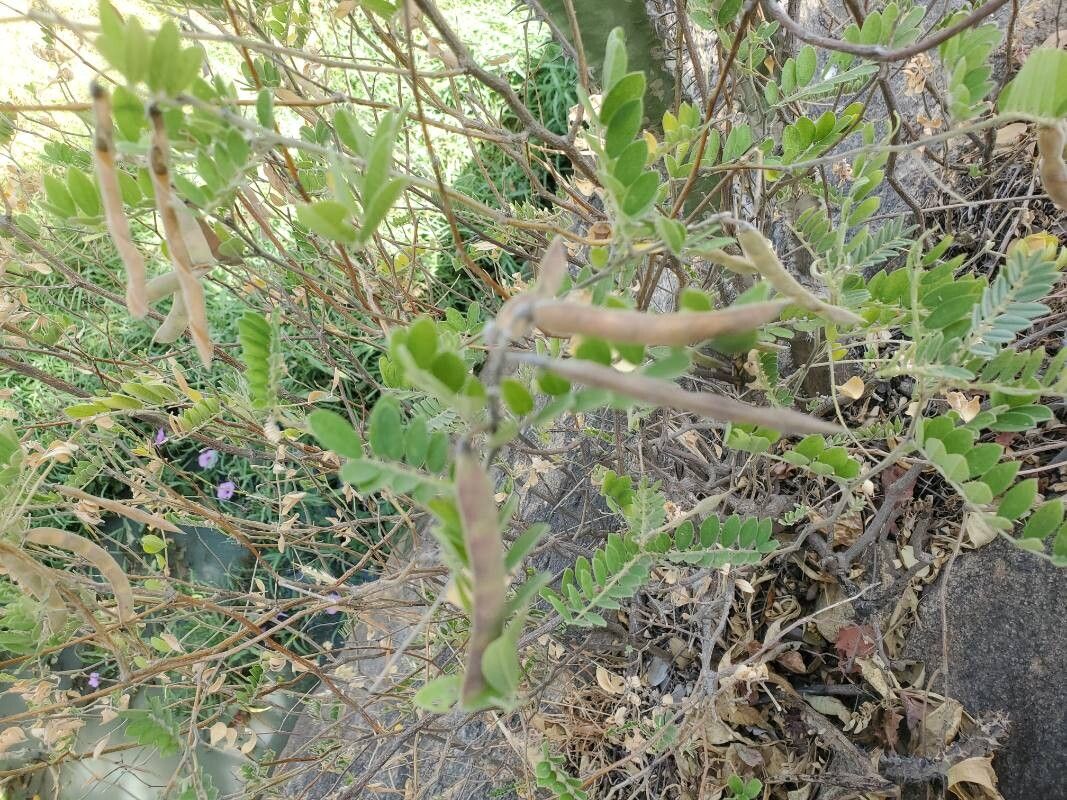
Tephrosia mossiensis, commonly known as Mossi Tephrosia or sometimes just Mossi, is a leguminous shrub native to Africa, prized for its attractive foliage and potential use in soil improvement due to its nitrogen-fixing capabilities. Its vibrant green leaves and sometimes attractive floral displays make it a popular choice among gardeners seeking both aesthetic appeal and environmental benefit. However, propagating Tephrosia mossiensis presents unique challenges, making successful cultivation a rewarding experience.
Seed Germination:
Currently, there are no known reliable methods for seed germination propagation of Tephrosia mossiensis. While seeds may be produced, germination rates are reportedly extremely low, even under optimal conditions. Further research is needed to determine if pre-treatments such as scarification or specific temperature stratification could improve germination success.
Cuttings:
Cuttings represent a more promising propagation method for Tephrosia mossiensis.
Challenges: Success with cuttings depends greatly on timing and technique. Using semi-hardwood cuttings taken during the late summer or early autumn seems to yield better results than those taken from softer new growth. Maintaining high humidity and providing bottom heat can significantly improve rooting success. Root rot can become an issue if the cuttings are not kept sufficiently dry.
Tips: Take cuttings approximately 10-15cm long, removing lower leaves to prevent rot. Dip the cut ends in rooting hormone before planting in a well-draining propagation mix, such as a mixture of perlite and peat moss. Maintain consistently moist (but not waterlogged) conditions, and cover with a humidity dome or plastic bag to retain moisture.
- Rewards: Cuttings offer a relatively quick method of propagation, providing genetically identical plants to the mother plant. This is advantageous if you have a particularly desirable specimen.
Division:
Division is a viable method, particularly for established plants.
Challenges: Dividing Tephrosia mossiensis can be disruptive to the plant, potentially leading to temporary stress and reduced vigor. Successful division requires careful handling to avoid damaging the root system. Furthermore, only mature plants with well-established root systems should be divided.
Tips: The best time is during the dormant or early growing season. Dig up the plant carefully, and gently separate the root ball into smaller sections, ensuring each division has a healthy portion of roots and stems. Replant promptly and water thoroughly.
- Rewards: Division allows for the rapid multiplication of a desirable plant, creating more specimens while maintaining the genetic traits of the original.
Tissue Culture:
Tissue culture offers the potential for large-scale propagation of Tephrosia mossiensis.
Challenges: Establishing a tissue culture protocol for this species requires specialized knowledge, equipment, and a sterile laboratory environment. Finding the optimal growth media and hormone combinations is crucial for successful shoot multiplication and root development.
Tips: Research existing tissue culture protocols for other Tephrosia species could provide a starting point. Professional assistance from a plant tissue culture laboratory is generally advisable.
- Rewards: Tissue culture offers the highest potential for rapid and large-scale propagation, producing disease-free plants. It’s an especially valuable method for preserving rare or endangered varieties.
Conclusion:
Propagating Tephrosia mossiensis presents several challenges, particularly with seed germination. However, cuttings and division offer viable alternative methods for the keen gardener. Tissue culture holds the greatest promise for large-scale propagation but requires specialized expertise. The rewards – whether from successfully rooting a cutting or nurturing a division into a thriving plant – are well worth the effort involved. The unique satisfaction of cultivating this beautiful and environmentally beneficial shrub is a testament to the perseverance and dedication of the gardener. Don’t be discouraged by initial setbacks; experiment with different techniques and enjoy the journey of bringing this fascinating plant to life.