
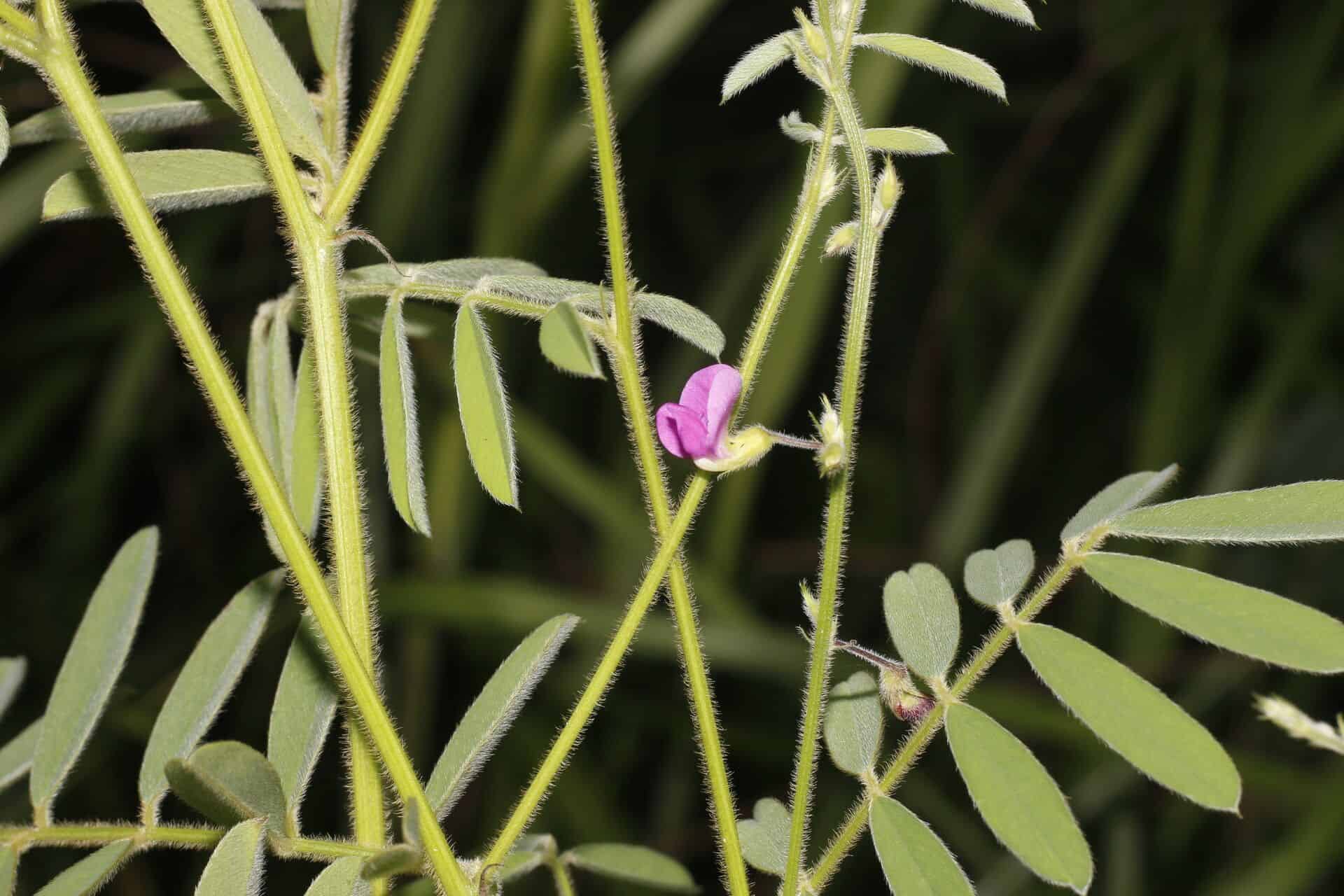
Unlocking the Secrets of Tephrosia vicioides: A Guide to Propagation
Tephrosia vicioides, also known as the "hoary pea" or "goat’s rue," is a beautiful and versatile plant with a hidden talent: nitrogen fixation. This legume, native to North and South America, not only adds a splash of color to your garden with its showy pink and purple flowers but also improves soil health. But how do you bring this botanical wonder to your own backyard? Let’s explore the secrets of propagating Tephrosia vicioides.
Understanding Tephrosia vicioides:
Before diving into propagation, it’s helpful to know a little about the plant itself. Tephrosia vicioides is a relatively hardy perennial that prefers well-drained soil and full sun to partial shade. Its deep roots and nitrogen-fixing abilities make it a fantastic choice for improving soil fertility, especially in nitrogen-depleted areas.
Propagation Methods:
You can propagate Tephrosia vicioides through two primary methods:
1. Seed Propagation:
- Seed Collection: Harvest mature seed pods in the fall when they turn brown and dry. Be sure to store the seeds in a cool, dry place.
- Scarification: Tephrosia vicioides seeds have a hard outer coating that requires scarification to improve germination rates. You can achieve this by gently rubbing the seeds between two pieces of sandpaper or nicking them with a sharp knife.
- Sowing: Sow the scarified seeds directly in the garden after the last frost or start them indoors 6-8 weeks before the last frost. Plant seeds about ¼ inch deep in a well-draining seed starting mix.
- Germination: Seedlings should emerge in 1-3 weeks. Keep the soil consistently moist but not waterlogged.
- Transplanting: Once the seedlings have developed a few sets of true leaves, you can transplant them to their permanent location in the garden after hardening them off.
2. Cuttings:
- Timing: Take cuttings in late spring or early summer when the plant actively grows.
- Selection: Choose healthy, non-flowering stems about 4-6 inches long.
- Preparation: Remove the lower leaves from the cutting, leaving a couple of leaves at the top. Dip the cut end in rooting hormone (optional but recommended).
- Planting: Insert the cutting into a pot filled with well-draining potting mix.
- Environment: Keep the cuttings in a warm, humid environment with indirect sunlight. You can create a mini greenhouse by covering the pot with a plastic bag.
- Rooting: Roots should develop in 4-6 weeks. Once the cuttings show new growth, you can transplant them to larger pots or directly into the garden.
Tips for Success:
- Well-draining soil is crucial: Tephrosia vicioides is susceptible to root rot in overly wet soils.
- Patience is key: Germination and rooting from cuttings can take time. Don’t be discouraged if you don’t see results immediately.
- Provide adequate sunlight: While Tephrosia vicioides can tolerate partial shade, it thrives in full sun.
- Fertilizer: These plants are nitrogen fixers, meaning they don’t require supplemental fertilization. Excessive nitrogen can actually hinder their growth.
Conclusion:
Propagating Tephrosia vicioides is a rewarding endeavor for any gardener. Whether you choose to start from seed or cuttings, with a bit of care and attention, you can successfully cultivate this beautiful and beneficial plant in your garden. Not only will you be adding a touch of visual interest, but you’ll also be contributing to a healthier ecosystem within your own backyard. So, why not give it a try? You might be surprised by how easy and rewarding it can be.