
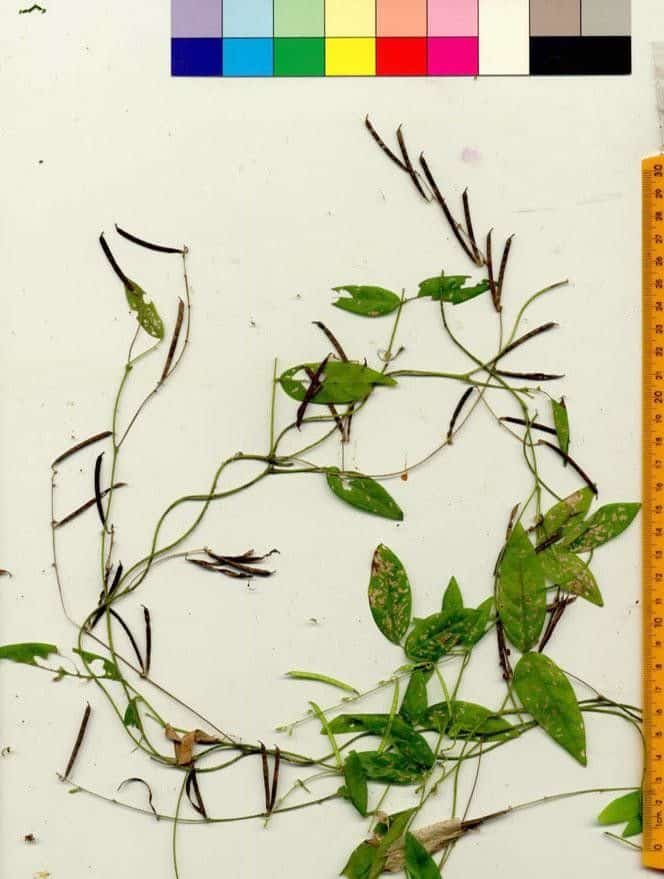
Unleashing the Vine: Propagating the Versatile Teramnus Volubilis
The plant world offers countless wonders, and among them is Teramnus volubilis, also known as velvet bean. While lesser-known than some of its botanical brethren, this climbing legume boasts intriguing foliage, delicate flowers, and a tenacious spirit that makes it a fascinating addition to any garden. Intrigued? Let’s explore the world of Teramnus volubilis propagation and discover how you can welcome this vigorous vine into your green haven.
Seed Starting: The Adventure Begins
The most common and rewarding method for propagating Teramnus volubilis is through seeds. Don’t let their tough exterior intimidate you; a little bit of preparation goes a long way:
Scarification: Gently nick or rub the seed coat with sandpaper. This process, known as scarification, allows for easier water absorption and speeds up germination.
Soaking: Soak the scarified seeds in lukewarm water for 12-24 hours. This softens the outer layer further, encouraging quicker sprouting.
Sowing: Plant the soaked seeds about ½ – 1 inch deep in well-draining soil. Opt for a seed-starting mix or a light, airy potting blend.
- Patience: Keep the soil consistently moist but not waterlogged. Germination generally takes 1-3 weeks, so patience is key!
Tip: For optimal germination, maintain a warm environment – around 70-75°F is ideal. Using a heat mat can be beneficial, particularly in cooler climates.
Cuttings: A Quicker Path to Growth
If you already have a flourishing Teramnus volubilis, cuttings offer a faster propagation method. Follow these steps for success:
Select your cutting: Choose a healthy stem that’s about 4-6 inches long. Ideally, select a stem without flowers or buds.
Prepare the cutting: Using a sharp, clean knife or pruning shears, make a clean cut just below a leaf node. Remove the leaves from the bottom third of the cutting.
Hormone boost (optional): Dipping the cut end in rooting hormone can encourage faster root development, but it’s not strictly necessary.
Planting: Insert the cutting into a well-draining potting mix, burying at least two nodes below the surface.
- Humidity control: Maintain high humidity around the cutting by covering it with a clear plastic bag or placing it in a humidity dome. This helps prevent dehydration as the cutting develops roots.
Teramnus Volubilis: More Than Just Pretty Vines
Beyond its aesthetic appeal, Teramnus volubilis holds significant value. It’s a nitrogen-fixing legume, meaning it helps enrich the soil, making it a fantastic companion plant for other species. This fast-growing vine can also act as a living mulch, suppressing weeds and improving soil structure.
Whether you’re captivated by its delicate flowers, intrigued by its low-maintenance nature, or drawn to its soil-enhancing properties, Teramnus volubilis is a rewarding plant to cultivate. With a bit of patience and these propagation techniques, you’ll be well on your way to enjoying this fascinating climber’s beauty and benefits in your own green space.