
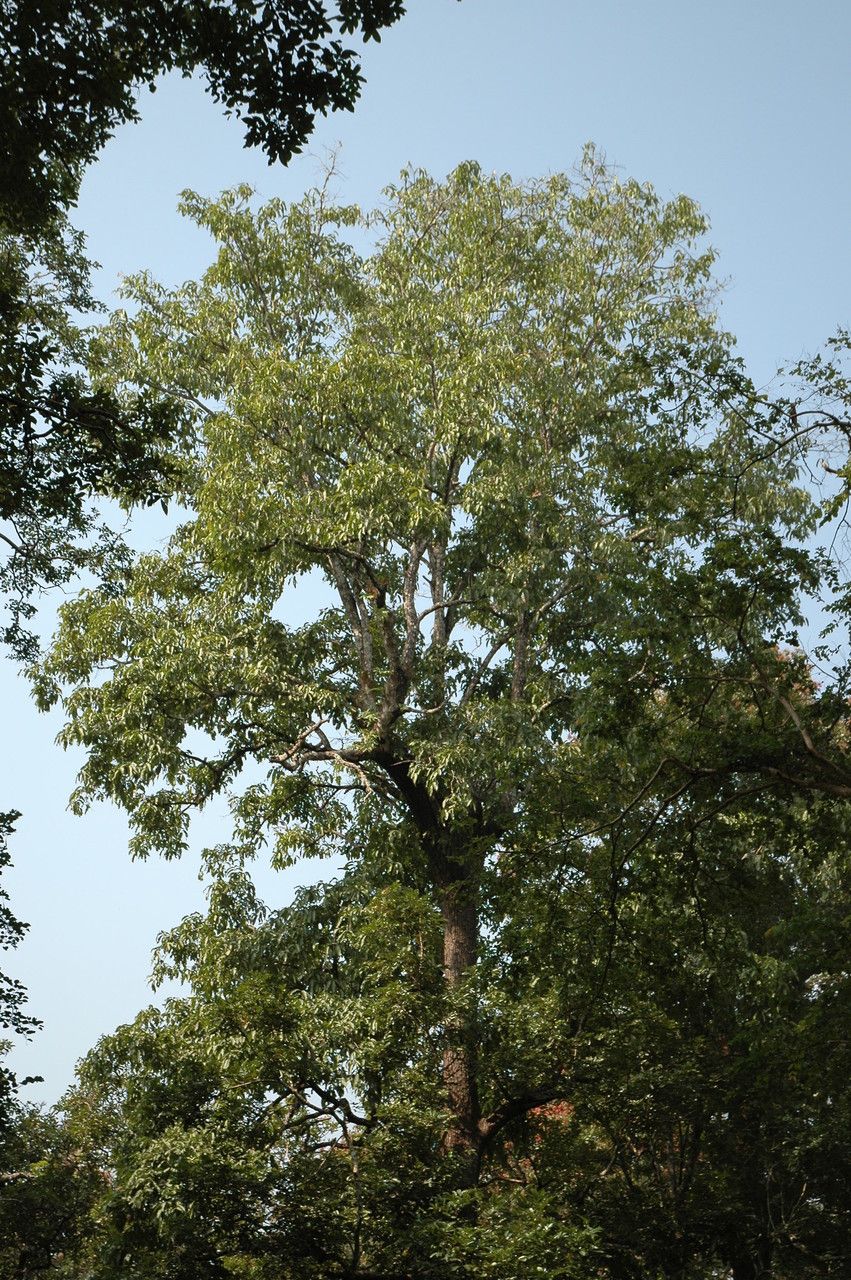
Growing Giants: The How-to Guide for Propagating Terminalia Elliptica
The Terminalia elliptica, also known as the Indian Laurel or Crocodile Bark Tree, is a majestic species native to South Asia. Revered for its stately size, dense foliage, and beautiful bark that resembles crocodile skin, it’s no surprise that this tree is becoming increasingly popular for landscaping and reforestation efforts.
But how do you actually grow one of these giants? While finding a mature Terminalia elliptica in your local nursery might be difficult, the good news is that propagating them isn’t as daunting as you might think. Let’s delve into two effective methods:
Method 1: Seed Propagation
Seed Collection: The ideal time to collect Terminalia elliptica seeds is during the dry season when the fruits are mature and brown. Look for fruits that have fallen to the ground and extract the seeds.
Seed Preparation: The seeds have a hard outer coating that can hinder germination. To overcome this, you can scarify the seeds. This involves gently rubbing the seed coat with sandpaper or making a small nick in it with a nail clipper. Soaking the seeds in water for 24 hours can also help soften the coat.
Sowing: Plant the seeds in a well-draining seed starting mix, burying them about an inch deep. Water thoroughly and keep the soil consistently moist but not waterlogged.
- Location & Patience: Place the seed tray or pots in a warm, sunny location, preferably receiving indirect sunlight. Be patient; germination can take anywhere from a few weeks to a couple of months.
Method 2: Cutting Propagation
Cutting Selection: During the early growing season, choose healthy, semi-hardwood cuttings from the current year’s growth. The ideal cutting should be around 6-8 inches long and have at least two nodes (bumps where leaves emerge).
Cutting Preparation: Remove the leaves from the bottom third of the cutting. To further encourage root development, you can dip the cut end in rooting hormone powder (available at most garden centers).
Planting the Cutting: Insert the cutting into a pot filled with a well-draining potting mix, burying at least one node. Water well.
Creating Humidity: To enhance the chances of successful rooting, you can create a humid environment around the cutting. Covering the pot with a clear plastic bag or using a humidity dome will help retain moisture.
- Patience and Care: Place the cutting in a warm, bright location but avoid direct sunlight. Keep the soil consistently moist. It may take several weeks for roots to develop.
General Care for Young Terminalia Elliptica:
- Sunlight: Once the seedlings or cuttings are established, gradually acclimate them to full sun. These trees thrive in sunny locations.
- Watering: While drought-tolerant once established, young Terminalia elliptica will benefit from regular watering, especially during dry periods. Allow the topsoil to dry out slightly between waterings.
- Soil: Well-draining soil is crucial. Avoid planting in areas with poor drainage or standing water.
- Fertilizer: While not essential, a balanced fertilizer applied a couple of times during the growing season can be beneficial for young trees.
Propagating your own Terminalia elliptica is a rewarding experience. Not only do you get the satisfaction of growing a tree from scratch, but you also play a role in promoting the growth of this magnificent and ecologically important species. So why not give it a try?