
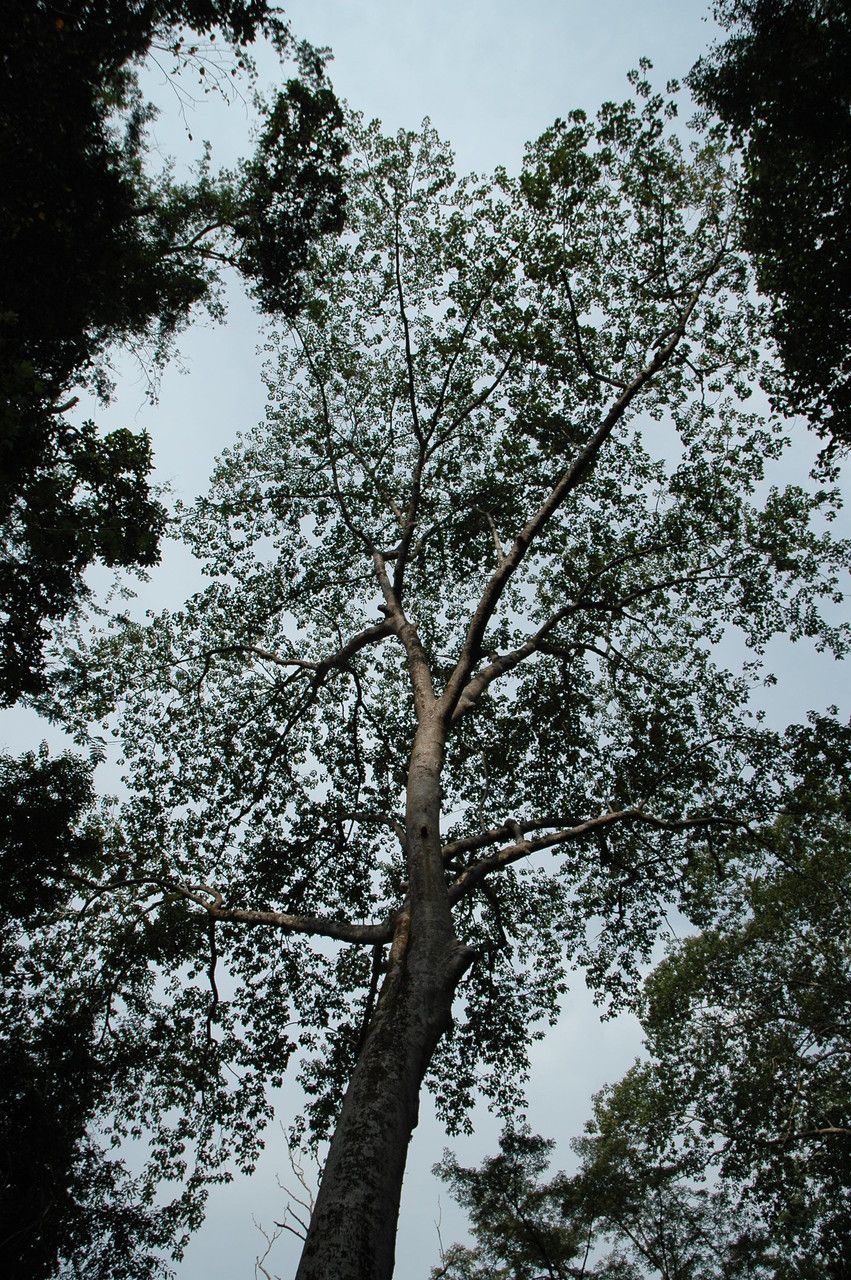
Unlocking the Secrets of the Giant: Propagating the Majestic Tetrameles nudiflora
The Tetrameles nudiflora, also known as the “Indian Spurge Tree” or “Chua Nua,” is a true giant of the botanical world. This deciduous titan can reach heights of over 150 feet, boasting a massive, buttressed trunk and a sprawling crown that dominates the landscape. While its sheer size is impressive, the Tetrameles nudiflora also possesses a unique beauty, with its smooth, gray bark and delicate, drooping flowers.
If you’re fortunate enough to live in a tropical or subtropical region and dream of cultivating your own majestic Tetrameles nudiflora, you’re in for a rewarding, though somewhat challenging, journey. Here’s what you need to know about propagating this magnificent tree.
Seed Propagation: A Test of Patience
The most common method of propagating Tetrameles nudiflora is through seeds. However, patience is key, as these seeds are notorious for their erratic germination rates and slow growth. Here’s how to give your seeds the best chance of success:
Seed Collection and Preparation: Collect mature, winged seeds directly from the tree or purchase them from a reputable supplier. Soaking the seeds in water for 24-48 hours before sowing can help soften the seed coat and encourage germination.
Sowing: Choose a well-draining potting mix and plant the seeds shallowly, about 1/4 inch deep. Keep the soil consistently moist but not waterlogged.
Patience is Key: Germination can take anywhere from a few weeks to several months. Don’t be discouraged if you don’t see results right away. Keep the soil moist and provide ample indirect sunlight.
- Transplanting: Once the seedlings have developed a strong root system and several sets of true leaves, they can be transplanted into larger pots or directly into the ground. Choose a location with well-drained soil and full sun to partial shade.
Vegetative Propagation: A Quicker Route
While seed propagation is the most common method, Tetrameles nudiflora can also be propagated vegetatively through cuttings. This method typically yields faster results and ensures that the new plants will be genetically identical to the parent tree. Here’s what to do:
Cuttings Selection: Choose healthy, semi-hardwood cuttings from the current year’s growth. These cuttings should be about 6-8 inches long and have at least 2-3 nodes.
Cutting Preparation: Remove the leaves from the bottom third of the cutting and wound the base slightly to expose the cambium layer. Dip the cut end in rooting hormone to stimulate root development.
Planting: Insert the cuttings into a moist, well-draining rooting medium, such as a mixture of perlite and vermiculite. Cover the cuttings with a plastic bag or humidity dome to create a warm, humid environment.
Root Development: Keep the rooting medium consistently moist and provide bright, indirect light. Roots should develop within 4-6 weeks.
- Transplanting: Once the cuttings have developed a strong root system, they can be transplanted into larger pots or directly into the ground.
Caring for Your Giant
Whether you choose to propagate your Tetrameles nudiflora from seed or cuttings, providing proper care is essential for their growth and development.
- Sunlight: These trees thrive in full sun to partial shade.
- Water: While drought-tolerant once established, regular watering is crucial during the first few years.
- Soil: Well-draining soil is essential to prevent root rot.
- Fertilizer: Fertilize young trees regularly with a balanced fertilizer to encourage healthy growth.
Propagating and cultivating a Tetrameles nudiflora is a rewarding endeavor that requires patience and dedication. However, the end result, a majestic giant gracing your landscape for generations to come, is well worth the effort.