
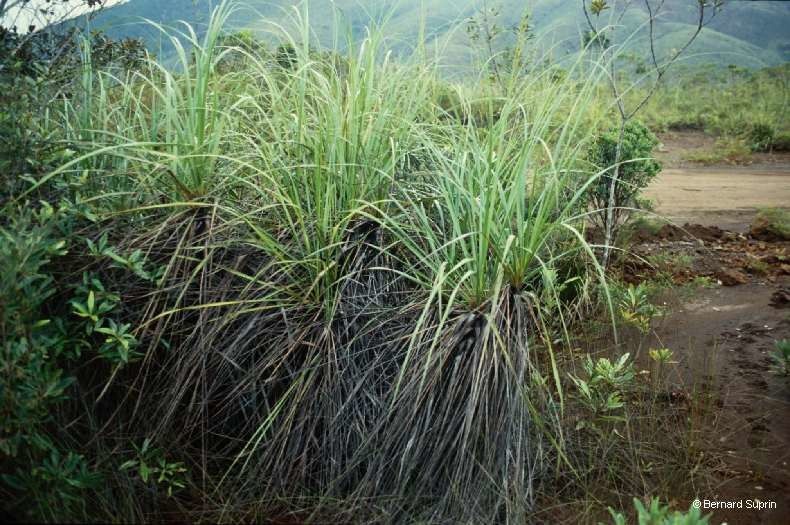
Taming the Tasmanian Windgrass: Propagation Tips for Tetraria arundinacea
Tetraria arundinacea, more commonly known as the Tasmanian windgrass, is a plant that embodies elegant movement and captivating texture. Native to Australia, this perennial grass boasts slender stems topped with graceful, arching foliage that dances in the slightest breeze. Its unique aesthetic has made it increasingly popular for landscaping and ornamental planting. If you’re charmed by this graceful grass and want to cultivate more of it, you’re in luck! Propagating Tetraria arundinacea, while not necessarily difficult, does require some patience and the right approach.
Two main methods dominate when it comes to propagating this beautiful grass:
1. Division:
This method is best undertaken in spring or early autumn, providing optimal conditions for root establishment before the harshness of summer or winter sets in. Here’s how to divide your Tetraria arundinacea:
- Carefully dig up a mature clump: Use a sharp spade or garden fork, ensuring you dig a wide circle around the plant to minimize root disturbance.
- Divide the clump: Gently separate the plant into smaller sections, ensuring each section has a good amount of roots and shoots attached. A sharp, clean knife can be helpful for this step.
- Replant your divisions: Choose a location with well-drained soil and full sun to partial shade. Dig holes slightly larger than the root ball of each division and plant them at the same depth they were originally growing.
- Water thoroughly: After planting, water your newly divided Tetraria arundinacea deeply to encourage root establishment.
2. Seed Propagation:
While slightly less common, growing Tetraria arundinacea from seed can be a rewarding experience. Follow these steps for success:
- Obtain seeds: You can collect seeds from existing plants after flowering or purchase them from a reputable supplier.
- Prepare your seed tray: Use a well-draining seed starting mix and moisten it thoroughly.
- Sow the seeds: Scatter the seeds over the surface of the mix, pressing them lightly into the soil. Tetraria arundinacea seeds require light for germination, so avoid burying them deeply.
- Provide warmth and moisture: Cover the seed tray with a plastic dome or wrap to create a humid environment. Place the tray in a warm, bright location, out of direct sunlight.
- Be patient: Germination can take anywhere from a few weeks to a couple of months. Ensure the soil remains consistently moist but not waterlogged during this time.
- Transplanting: Once seedlings have developed a few true leaves and are large enough to handle, you can transplant them into individual pots or directly into your garden, following similar guidelines as with divisions.
Caring for your new propagations:
No matter which method you choose, young Tetraria arundinacea will benefit from consistent moisture while they establish themselves. A light application of slow-release fertilizer in spring can also promote healthy growth. Once established, this grass is relatively low-maintenance, requiring minimal watering except during periods of drought.
By following these tips, you can successfully propagate your own Tasmanian windgrass, adding a touch of swaying elegance and natural beauty to your outdoor spaces.