
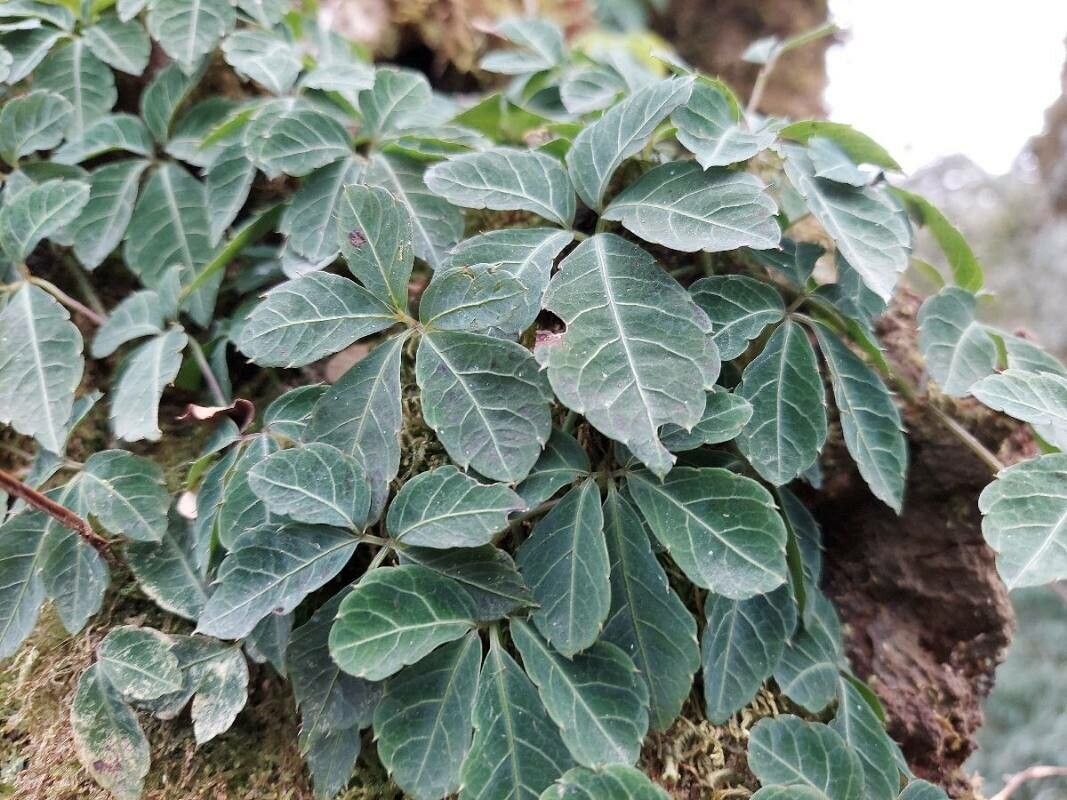
Propagating Tetrastigma serrulatum: A Challenging but Rewarding Endeavor
Tetrastigma serrulatum, sometimes known as the "serrated Tetrastigma" or simply "Tetrastigma," is a captivating vine prized for its attractive foliage and vigorous growth habit. Its glossy, serrated leaves and ability to climb readily make it a popular choice for creating lush indoor jungles or vibrant vertical displays in conservatories and greenhouses. However, propagating this stunning plant proves to be far from straightforward. Its unique characteristics present specific challenges to successful multiplication, making the rewards of cultivation all the more satisfying.
Seed Germination:
Currently, there are no known reliable methods for seed germination propagation of Tetrastigma serrulatum. While the plant does produce seeds, their viability is extremely low, and successful germination has not been widely documented. Further research into specific germination requirements, including potential stratification techniques or hormonal treatments, may be necessary to explore this method further.
Cuttings:
Cuttings offer a more promising avenue for propagating Tetrastigma serrulatum. However, success hinges on precise technique and considerable patience.
- Challenges: Tetrastigma serrulatum cuttings are notoriously prone to rot, particularly if not provided with optimal humidity and warmth. The low success rate often stems from difficulties in encouraging root formation.
- Practical Tips: Semi-hardwood cuttings, taken in late spring or early summer, demonstrate a marginally higher success rate. The cuttings should be approximately 10-15 cm long, with at least two nodes. Dip the cut ends in a rooting hormone powder to stimulate root development. Plant the cuttings in a well-draining, moisture-retentive medium such as a perlite/peat moss mix. Maintain high humidity using a propagator or by covering the cuttings with a clear plastic bag. Bottom heat can also significantly benefit rooting.
- Rewards: Vegetative propagation via cuttings ensures the preservation of desirable traits from the parent plant, offering a reliable way to multiply a particularly attractive specimen.
Division:
Division is a viable propagation method for Tetrastigma serrulatum, particularly for established, larger plants.
- Challenges: Care must be taken to avoid damaging the delicate roots. Each division needs to possess a healthy section of root system to ensure survival. The success of division depends heavily on the health and size of the parent plant.
- Practical Tips: Divide the plant during the growing season (spring or early summer). Carefully separate the root ball into smaller sections, ensuring each section has several stems and a viable root system. Replant the divisions immediately in fresh, well-draining potting mix. Water thoroughly but avoid overwatering which can lead to root rot.
- Rewards: This method allows for the rapid increase of established plants, providing readily available material for sharing or expansion of current collections.
Tissue Culture:
Tissue culture presents the most reliable albeit technologically demanding method for Tetrastigma serrulatum propagation.
- Challenges: Establishing sterile conditions and selecting suitable media and growth regulators are crucial aspects. This technique requires specialized equipment, aseptic techniques, and considerable horticultural expertise. The initial investment can be significant.
- Practical Tips: Specialized laboratories equipped for plant tissue culture are necessary. Experienced technicians can employ various techniques, using stem nodes or leaf explants for rapid multiplication. Controlled environmental conditions and precise nutrient management are essential for successful development.
- Rewards: Tissue culture enables the mass production of plantlets, guaranteeing a large number of uniform and disease-free plants. It offers the best chance to preserve and multiply rare or endangered genotypes.
Conclusion:
Propagating Tetrastigma serrulatum presents a unique challenge, demanding patience, precision, and sometimes specialized equipment. Although seed germination proves unreliable, cuttings and division provide viable options, while tissue culture offers the most consistent, albeit more technically demanding approach. The successful cultivation of this rewarding vine, however, is immensely fulfilling, especially considering the hurdles involved. The triumphant growth of a propagated Tetrastigma serrulatum, whether from a carefully nurtured cutting or a meticulously divided section of a parent plant, is a testament to the dedication and skill of the propagator. For aspiring cultivators, persistence and attention to detail, combined with a thorough understanding of the plant’s needs, will greatly increase the likelihood of success.