
From One Plant to Many: Mastering the Art of Teucrium Bicolor Propagation
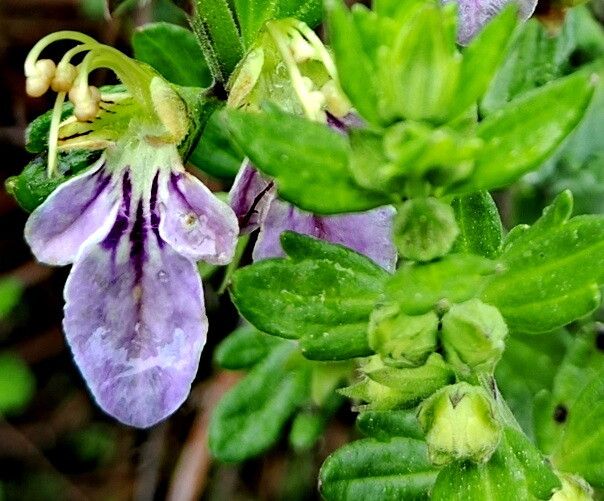
The captivating blooms of Teucrium bicolor, also known as the “Spanish Lavender” or “Trailing Rosemary,” are a treat for both the eyes and the senses. These gorgeous plants, with their vibrant purple and white flowers, are a welcome addition to any garden. But with their popularity comes a desire for more, driving many to the world of plant propagation.
For those wanting to expand their Teucrium bicolor collection or share its beauty with others, propagation offers an exciting and cost-effective path. This guide will take you through the common methods, tips, and tricks to successfully grow your own Teucrium bicolor plants from scratch.
The Basics of Propagation
Propagation, in simple terms, is the process of creating new plants from existing ones. It involves encouraging a parent plant to develop roots or shoots that can be separated and grown independently. For Teucrium bicolor, the most common methods are:
1. Cuttings: This technique involves taking sections of a healthy stem and encouraging them to develop roots. While both softwood (new growth) and semi-hardwood (slightly older growth) cuttings work, semi-hardwood cuttings from late summer to early fall tend to be most successful.
- Prepare the Cuttings: Cut the stems just below a node (where leaves grow) using sharp, sterilized tools. Remove the lower leaves and trim the top.
- Root Hormone: Dip the cut ends in a rooting hormone to stimulate root growth.
- Planting Medium: Use a well-draining potting mix and insert the cuttings into a pot or seed tray, ensuring the nodes are buried.
- Keep it Moist: Keep the cuttings moist but not soggy, and maintain a humid environment by covering the pot with a plastic dome or bag.
- Location: Place your cuttings in a bright location that receives indirect sunlight.
2. Seed Propagation: This method utilizes seeds to create new plants. While it can be a bit more time-consuming than cuttings, it offers diversity as it facilitates the creation of new genetic variations.
- Harvest Seeds: Collect the seed pods when they dry and turn brown. Extract the seeds by gently crushing the pods.
- Starting: Sow the seeds in a seed tray filled with a well-draining potting mix.
- Germination: Maintain consistent moisture and warm temperatures (around 70-75°F). Depending on the conditions, seeds can take several weeks to germinate.
- Transplanting: When seedlings have developed a few sets of true leaves, transplant them into individual pots.
Tips for Success:
- Sharp Tools: Always use sanitized and sharp tools to prevent the spread of diseases.
- Water Wisely: Ensure the potting mix stays moist without being waterlogged. Avoid overwatering, as it can rot the roots.
- Provide Light: Choose a location with ample bright, indirect sunlight.
- Patience is Key: Propagation takes time – be patient and observe your plants closely.
Growing Your Own Teucrium Bicolor
With the right knowledge and a touch of green thumb magic, propagating Teucrium bicolor is a satisfying and rewarding experience. It allows you to expand your collection, share its beauty with others, and even cultivate unique varieties. By applying the tips and techniques shared in this guide, you can confidently embark on this exciting journey and enjoy the joy of propagating your own Spanish Lavender – a true testament to the wonders of nature.