
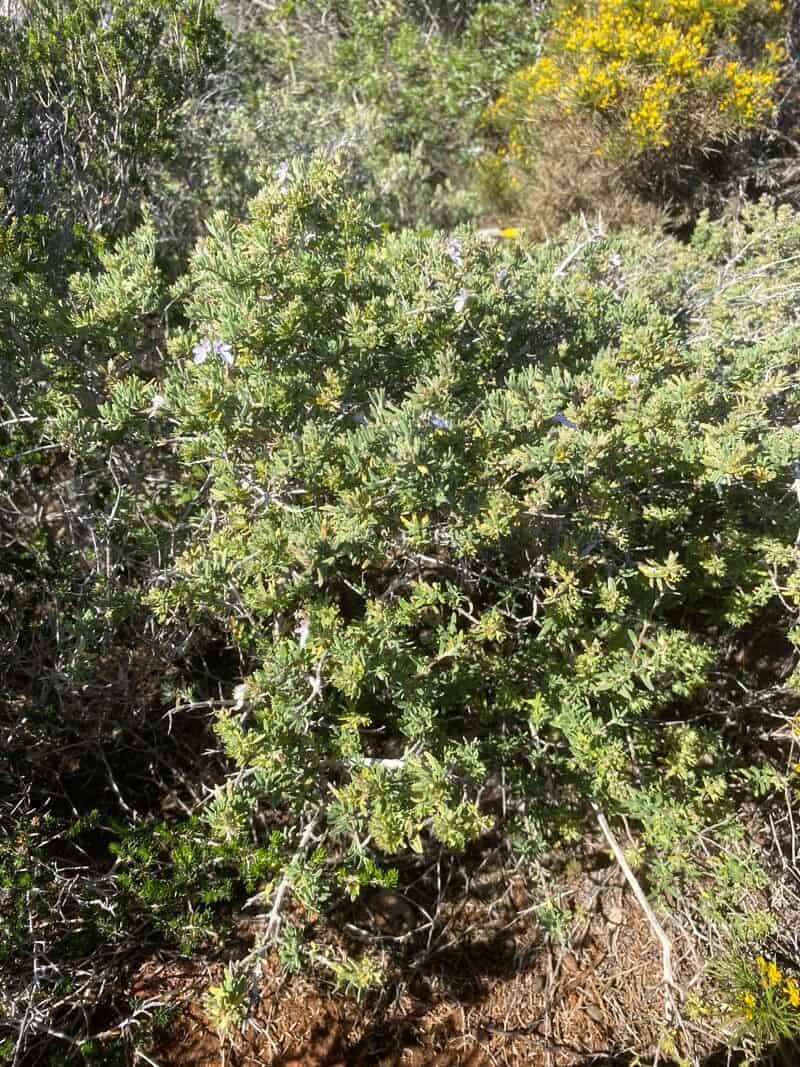
Taming the Wild Beauty of Teucrium brevifolium: A Propagation Primer
Teucrium brevifolium, the captivating low-growing shrub with its silvery foliage and charming pink flowers, brings a touch of Mediterranean charm to any garden. This hardy plant, also known as the Short-leaved Germander, is drought-tolerant and thrives in sunny locations, attracting pollinators and adding textural intrigue to rockeries, borders, and even containers.
If you’re eager to multiply your Teucrium brevifolium and spread its subtle beauty, then propagation is the answer. While relatively easy, understanding the best techniques will ensure healthy and vigorous new plants. Let’s explore the world of propagating this resilient beauty:
1. Seeds of Success (or Not!):
While Teucrium brevifolium does produce seeds, propagation from seed is not the most reliable or popular method. Germination rates can be low and unpredictable, and you may not get plants identical to the parent. However, if you’re up for the challenge, sow seeds in a well-draining seed compost in spring. Keep the soil consistently moist and provide a warm, bright location out of direct sunlight.
2. Cuttings: Your Best Bet for Clone Armies:
Taking cuttings is undoubtedly the most effective and commonly used method for propagating Teucrium brevifolium. Here’s a step-by-step guide:
- Timing is Key: The optimal time for taking cuttings is late spring to early summer when the plant is actively growing.
- Tools of the Trade: You’ll need sharp pruning shears, a pot or tray filled with well-draining potting mix (a mix of peat moss, perlite, and vermiculite works well), and rooting hormone (optional but helpful).
- Cut to the Chase: Select healthy, non-flowering stems about 3-4 inches long. Make a clean cut just below a leaf node.
- Prepare for Planting: Remove the lower leaves from the cutting, leaving 2-3 leaves at the top. If desired, dip the cut end in rooting hormone to encourage faster root development.
- Plant and Protect: Make small holes in the potting mix and gently insert the cuttings, ensuring the leaf nodes are buried. Water thoroughly and place the pot/tray in a warm, bright location out of direct sunlight. Cover with a plastic bag or humidity dome to create a mini greenhouse.
- Patience is a Virtue: Keep the soil consistently moist but not waterlogged. Within a few weeks, roots should start to develop. Gently tug on the cuttings – resistance indicates successful rooting.
- Pot On and Enjoy: Once the cuttings have developed a robust root system (usually after 6-8 weeks), you can transplant them into individual pots or your desired location in the garden.
3. Layering: A More Leisurely Approach:
While less common than cuttings, layering is another viable method for propagating Teucrium brevifolium, especially for those who want a more hands-off approach.
- Flexibility in Timing: Layering can be done in spring or early fall.
- Bend and Bury: Choose a healthy, flexible stem on your plant and gently bend it towards the ground.
- Wounding for Roots: Lightly wound the underside of the stem where it touches the soil using a sharp knife. Apply rooting hormone to the wounded area to encourage root development.
- Secure and Cover: Bury the wounded portion of the stem under a couple of inches of soil, using a rock or landscape pin to keep it in place. Water well.
- Separation Anxiety (Not!): Check for root development after a few weeks. Once a healthy root system has formed, carefully separate the layered stem from the parent plant and transplant it to its desired location.
A Final Word of Encouragement:
Don’t be afraid to experiment with different propagation methods to find what works best for you and your Teucrium brevifolium. With a little patience and care, you’ll soon have a flourishing collection of these captivating plants, adding unique beauty and pollinator appeal to your garden for years to come.