
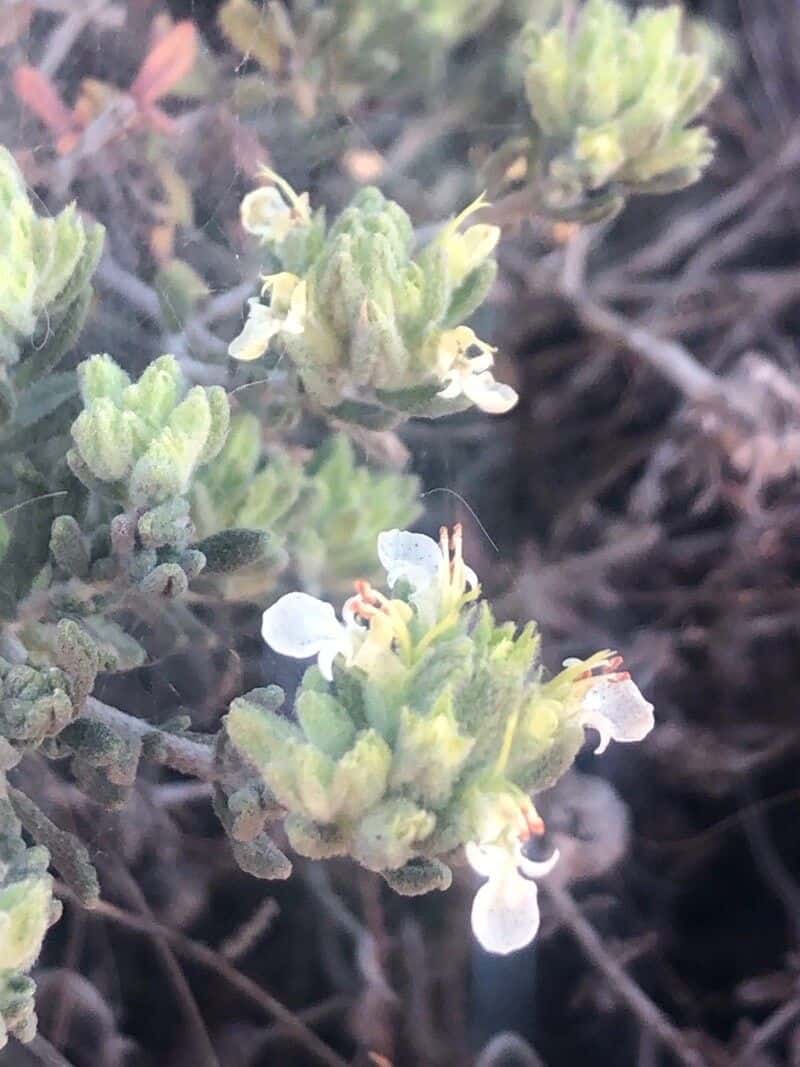
Taming the Wild Beauty: Propagating Carthaginian Wall Germander
The Carthaginian Wall Germander (Teucrium carthaginense) is a hidden gem in the plant world. Sporting vivid purple blooms and a charmingly unruly habit, this Mediterranean native brings a touch of wild elegance to gardens. While finding it in your local nursery might be hit or miss, propagating your own is a surprisingly simple affair. Let’s dive into the two most successful methods:
1. Cuttings: Cloning Your Germander
Taking cuttings is like cloning your favorite plant, creating identical copies to spread the love (or at least across your garden). Here’s how:
- Timing is Key: Late spring or early summer, when the plant is actively growing, is prime cutting season.
- Select Healthy Shoots: Look for new growth that is firm and not yet flowering. You want stems that are around 4-6 inches long.
- Clean Cut: Using sharp, clean shears, take a cut just below a leaf node (the point where a leaf emerges).
- Prepare the Cutting: Remove the lower leaves, leaving just a couple at the top. Dip the cut end in rooting hormone (this is optional but encourages faster rooting).
- Potting Up: Fill small pots with a well-draining potting mix. Make a hole with your finger or a pencil, insert the cutting, and gently firm the soil around it.
- Create a Humid Haven: Cover the pot with a clear plastic bag or place it in a propagator to maintain moisture.
- Patience, Young Padawan: Place the cuttings in a bright location, out of direct sunlight. It takes around 4-6 weeks for roots to develop. Once you see new growth, you’ll know your clones are thriving!
2. Seeds: Embrace the Element of Surprise
While cuttings create exact replicas, starting from seed allows for delightful variations (and a sense of accomplishment!).
- Harvesting Seeds: In late summer or fall, you’ll notice the germander’s flowers developing into small seed pods. Collect these when they turn brown and dry.
- Stratification: A Winter’s Nap: Most Mediterranean plants benefit from stratification, simulating winter conditions to break seed dormancy. Mix the seeds with damp vermiculite or sand in a sealed plastic bag, then store them in the refrigerator for 4-6 weeks.
- Sowing Time: In spring, fill seed trays or pots with a seed-starting mix. Sprinkle the seeds on the surface and lightly cover them with vermiculite or a thin layer of soil (light is essential for germination).
- Water Wisely: Mist the soil regularly, ensuring it remains moist but not soggy.
- First Sprouts: Germination can take anywhere from 2-4 weeks. Once the seedlings have a few sets of true leaves, you can thin them out, leaving the strongest ones to grow.
- Transplanting Time: When the danger of frost has passed, harden off your seedlings by gradually acclimating them to outdoor conditions. Once they’re acclimated, they can be transplanted to their final location in the garden.
A Few Tips for Success:
- Carthaginian Wall Germander prefers well-drained soil and full sun to partial shade.
- Once established, it’s fairly drought-tolerant, but regular watering will encourage lush growth, especially during hot, dry periods.
- Deadhead spent flowers to promote bushier growth and prevent unwanted self-seeding.
With a little effort and these straightforward techniques, you can enjoy the unique charm of Carthaginian Wall Germander in your own garden, multiplying your floral rewards season after season.