
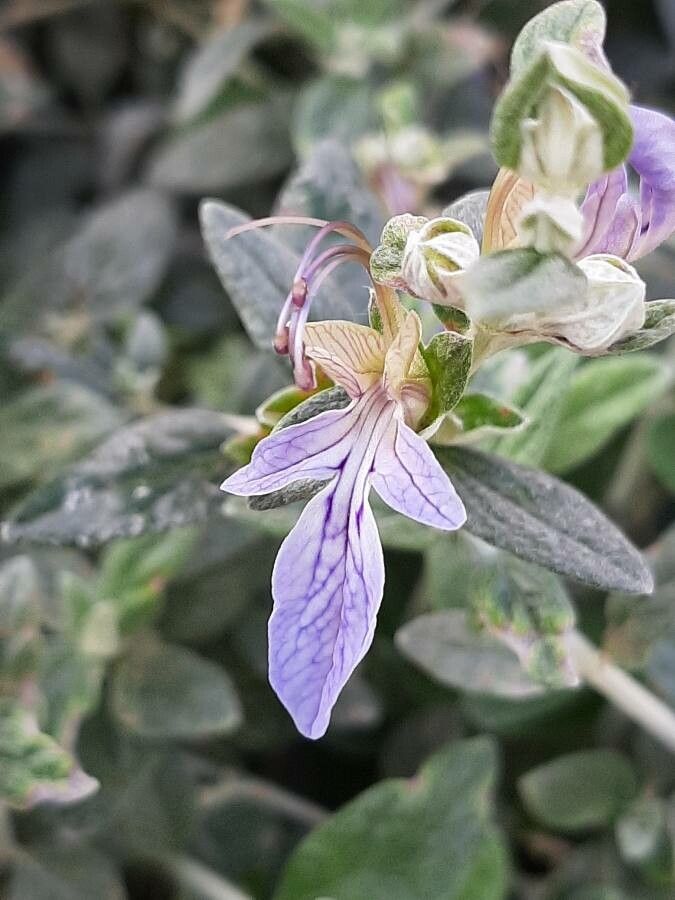
Propagating Teucrium fruticans: A Gardener’s Guide to the Shrubby Germander
Introduction:
Teucrium fruticans, commonly known as Shrubby Germander, is a charming evergreen shrub prized for its silvery-grey foliage and delicate lavender-blue flowers. Its drought tolerance, low maintenance needs, and attractive form make it a popular choice for Mediterranean-style gardens, rock gardens, and even as a low hedge. While relatively easy to maintain, propagating Teucrium fruticans can present some unique challenges. This article explores various propagation methods, outlining their feasibility and offering practical advice for successful cultivation.
Seed Germination:
Currently, there are no known reliable methods for seed germination propagation of Teucrium fruticans. While seeds may be produced, their germination rate is exceptionally low, and success is largely unpredictable. Therefore, other methods are far more practical for gardeners wishing to propagate this plant.
Cuttings:
- Challenges: While cuttings are the most common and reliable method, success depends on proper technique and timing. Hardwood cuttings are generally preferred over softwood or semi-hardwood.
- Practical Tips: Take 4-6 inch long cuttings from healthy, non-flowering stems in late summer or early autumn. Remove lower leaves, dip the cut ends in a rooting hormone powder, and plant them in a well-draining propagation mix (e.g., a mix of perlite and peat moss). Maintain a consistently moist (but not waterlogged) environment, ideally under a humidity dome or cloche to prevent moisture loss. Keep the cuttings in bright, indirect light and avoid direct sun. Rooting can take several weeks to months.
- Rewards: Cuttings offer a straightforward method ensuring the propagation of plants genetically identical to the parent plant, preserving desirable traits. It’s also relatively easy to produce a large number of plants from a single mother plant.
Division:
- Challenges: Division is only practical for established, larger plants. Care must be taken to avoid severe root damage, which can hinder the survival of the divided portions.
- Practical Tips: The best time to divide Teucrium fruticans is during the dormant season (late autumn or early spring). Dig up the plant carefully, gently separate the root ball into several sections, ensuring each division has its own healthy root system and sufficient stems. Replant the divisions immediately in well-prepared soil, watering thoroughly.
- Rewards: Division provides a quick method of propagation for already established plants, allowing for easier relocation or expansion of existing plantings. It also allows you to divide and share your plants with fellow gardeners.
Tissue Culture:
- Challenges: Tissue culture is a complex and specialized method requiring sterile laboratory conditions, specific media, and expertise in plant tissue culture techniques. It’s not a readily accessible method for the average home gardener.
- Practical Tips: This method involves growing new plants from small pieces of plant tissue in a sterile nutrient medium. The process is highly technical and requires specialized equipment and knowledge of plant hormones and sterilization procedures. This is best left to professional nurseries or research institutions.
- Rewards: Tissue culture offers the potential for rapid propagation of large numbers of genetically identical plants, and it’s useful for the mass production of plants or for preserving rare or endangered cultivars.
Conclusion:
Propagating Teucrium fruticans, while achievable, requires patience and attention to detail. While seed germination is unreliable, cuttings offer the most accessible and dependable method for the home gardener. Division serves as a viable option for established plants, and tissue culture remains the domain of professionals. The rewards—the satisfaction of nurturing a new plant from a cutting, seeing it thrive, and eventually sharing it—are ample compensation for the initial challenges. Ultimately, the effort invested in propagating this beautiful and resilient shrub is richly rewarding, providing a deep connection to the gardening process and a lasting contribution to your garden’s beauty. Remember to start small, carefully observe your plants, and adapt your techniques based on your specific circumstances and the plant’s response. The journey itself is part of the enriching experience of gardening.