
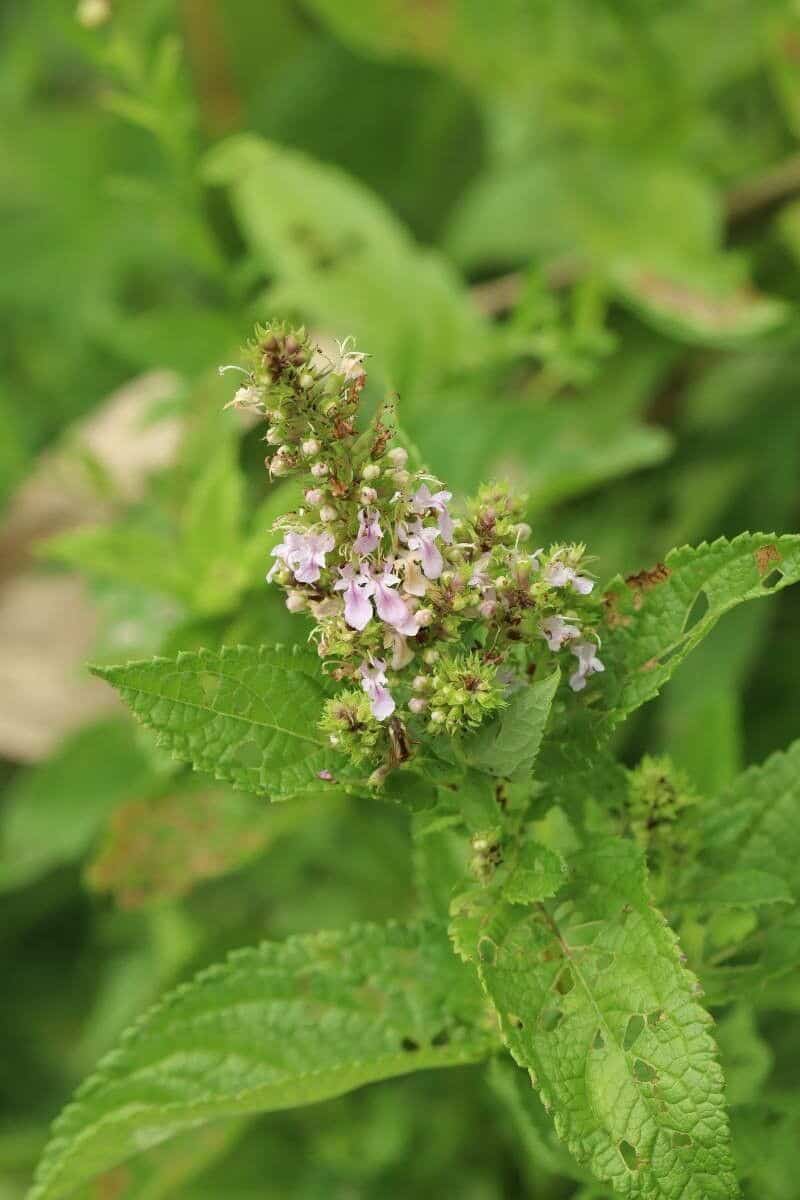
Multiply Your Japanese Germander: Simple Propagation Techniques for Lush Gardens
Japanese Germander (Teucrium japonicum), with its charming fuzzy leaves and delicate pink blooms, can be a delightful addition to any garden. But how do you ensure you have enough of these beauties to grace your borders or adorn your rock gardens? This is where propagation comes in, offering you the chance to multiply your plants without breaking the bank.
While purchasing new plants is always an option, propagating your own Japanese Germander is incredibly rewarding and surprisingly simple. Let’s explore two effective methods – taking cuttings and dividing existing plants:
1. Cuttings: A Snippet of Success
Taking cuttings is one of the easiest ways to propagate Japanese Germander. This method involves taking a small section of the parent plant and encouraging it to develop roots, essentially creating a clone.
Here’s what you need:
- Clean, Sharp Pruners: This ensures a clean cut that minimizes damage to the parent plant and encourages faster healing.
- Small Pots or Seed Trays: Choose containers with good drainage.
- Well-Draining Soil: Opt for a mix specifically designed for cuttings.
- Rooting Hormone (Optional): While not absolutely necessary, rooting hormone can speed up the rooting process.
Steps:
- Choose your cuttings: In late spring or early summer, select healthy, non-flowering stems from the current year’s growth. Each cutting should be around 4-6 inches long.
- Prepare the cuttings: Carefully remove the lower leaves from the bottom two inches of each stem, leaving 2-3 leaves at the top. If desired, dip the cut end in rooting hormone.
- Plant the cuttings: Make a small hole in the prepared soil with your finger or a pencil and gently insert the bottom inch of the cutting. Firm the soil around it.
- Water and Cover: Water the cuttings thoroughly and cover the container with a clear plastic bag or humidity dome to create a warm, humid environment.
- Monitor and Care: Place the cuttings in a bright location, out of direct sunlight. Check the soil moisture regularly and mist the cuttings if needed.
- Transplanting Success: After 4-6 weeks, your cuttings should have developed roots. Gently tug on a cutting – if you feel resistance, it’s ready to be potted into its own container.
2. Division: Sharing is Caring (for Your Germander)
Division is another reliable propagation method, especially successful in early spring or fall when the plant is dormant.
What you need :
- Gardening Gloves: To protect your hands.
- Sharp Spade or Garden Knife: For dividing the plant cleanly.
- New Planting Locations or Pots: Prepared with well-draining soil.
Steps:
- Watering: Water the plant thoroughly a day or two before dividing to minimize stress.
- Lifting the Plant: Carefully dig around the base of the germander clump, ensuring you don’t damage the roots.
- Dividing with Care: Using your hands or a sharp tool, separate the plant into smaller clumps, ensuring each section has a good amount of roots attached.
- Replanting: Plant the divisions at the same depth they were originally growing. Water thoroughly and keep the soil consistently moist until established.
Enjoy a Bounty of Japanese Germander
Propagating your Teucrium japonicum is a rewarding way to expand your garden’s beauty without spending a fortune. By following these straightforward methods, you’ll soon have a flourishing collection of these charming plants, bringing texture and delicate blooms to your outdoor space. Happy gardening!