
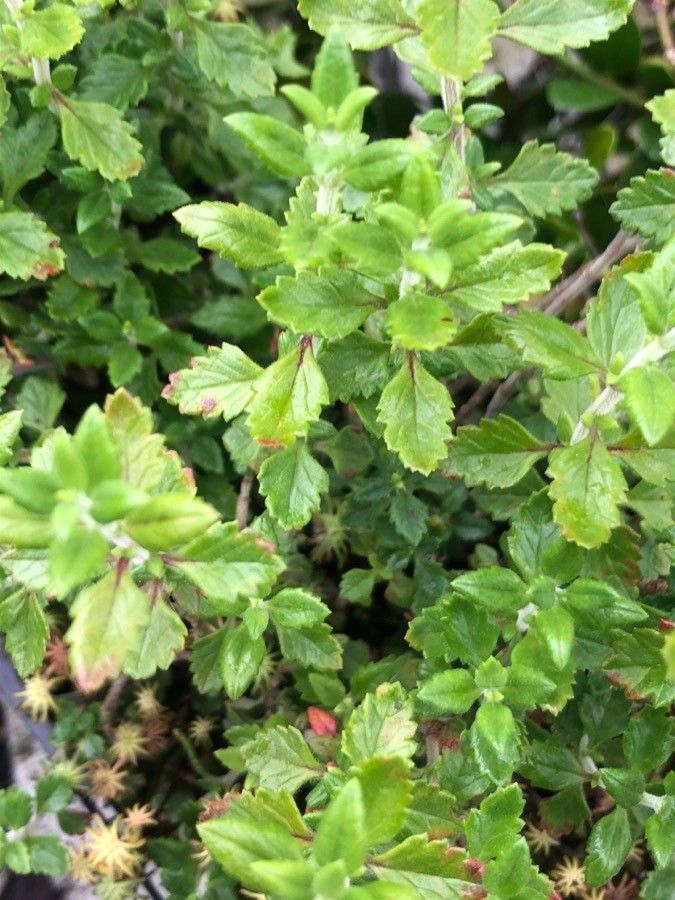
Propagating Teucrium lucidum: A Gardener’s Guide to the Shining Germander
Teucrium lucidum, commonly known as shining germander, is a much-loved evergreen shrub prized for its silvery-grey foliage, attractive upright habit, and delicate lavender-blue flowers. Its drought tolerance and adaptability make it a popular choice amongst gardeners, particularly for Mediterranean-style landscapes or xeriscaping projects. However, propagating this beautiful plant presents unique challenges and rewards. Its relatively slow growth rate contributes to the difficulty in propagation, making success all the more satisfying.
Seed Germination:
Currently, there are no known reliable methods for seed germination propagation of Teucrium lucidum. While seeds may be produced, their germination rate is extremely low, and consistent success has not been documented. This is likely due to a combination of factors including seed dormancy and the plant’s reliance on other propagation methods in its natural environment.
Cuttings:
This is the most reliable method for propagating Teucrium lucidum.
Challenges: Shining germander can be slow to root from cuttings. Using semi-hardwood cuttings taken in late summer or early autumn generally yields the best results. The process requires careful attention to detail and patience.
Practical Tips: Take 4-6 inch cuttings from non-flowering stems, removing lower leaves to prevent rot. Dip the cut ends in rooting hormone powder before planting in a well-draining propagation mix (e.g., a peat-perlite blend). Maintain high humidity using a plastic dome or propagator. Keep the mix consistently moist but not soggy.
- Rewards: Cuttings offer a reliable way to produce genetically identical plants, preserving desirable traits present in the parent plant. This method is suitable for both small-scale home propagation and larger-scale nursery production.
Division:
Division is a viable propagation method, but limited by the mature size of the plant.
Challenges: Teucrium lucidum has a relatively compact root system, which makes extensive division difficult. Dividing a plant too aggressively may damage the root ball and hinder the growth of the divisions. It’s best reserved for mature specimens.
Practical Tips: Divide the plant in early spring or autumn, ensuring each division has ample roots and enough stem growth. Use a sharp, clean spade or knife to divide the root ball. Plant the divisions in well-prepared soil ensuring good drainage.
- Rewards: Division is a quick way to increase the number of plants, and it avoids the time investment associated with rooting cuttings.
Tissue Culture:
Tissue culture propagation is theoretically possible but is rarely practiced for Teucrium lucidum on a large scale.
Challenges: Establishing a reliable tissue culture protocol for this species requires specialized knowledge, equipment, and sterile laboratory conditions. This method is typically cost and labor intensive.
Practical Tips: This method falls outside the scope of the average home gardener. It requires expertise in plant tissue culture techniques.
- Rewards: Tissue culture allows for rapid mass propagation and the generation of disease-free plants. It’s used mainly in commercial plant production.
Conclusion:
Propagating Teucrium lucidum requires patience and attention to detail. While seed germination is largely unreliable, cuttings offer the most consistent results for home gardeners. Division presents another option, dependent on plant maturity. Tissue culture, a more sophisticated method, is available but more commercially applicable. The unique rewards of nurturing a shining germander from a cutting, witnessing its growth and eventual flowering, significantly outweigh the effort involved. Embrace the challenge – the satisfaction of cultivating this beautiful plant through propagation is truly worthwhile. Remember to prioritize providing well-draining soil and sufficient sunlight, essential for the plant’s robust growth.