
Unveiling the Secrets: How to Propagate Your Thaumatophyllum Paludicola Like a Pro
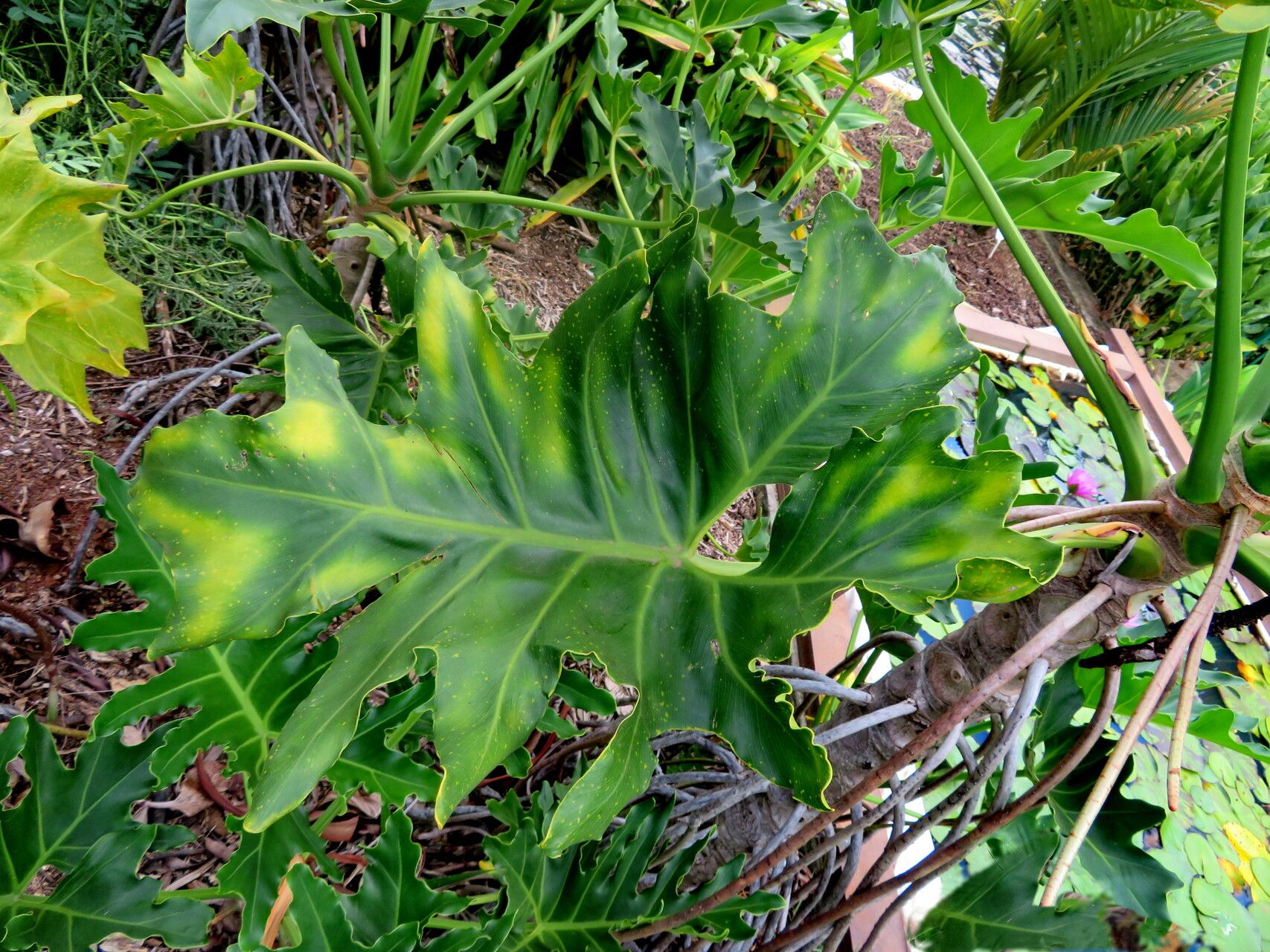
The Thaumatophyllum paludicola, once known as Philodendron paludicola, is steadily gaining popularity amongst plant enthusiasts. This stunning aroid, with its deeply lobed, velvety leaves and vibrant green hues, adds a touch of the tropics to any space. But did you know that propagating your T. paludicola is a rewarding experience with a high success rate? Let’s delve into the world of propagating this tropical beauty and unveil the secrets to multiplying your collection!
Understanding the Basics: Nodes are Key
The key to successful propagation lies in understanding the plant’s anatomy. Along the stem of your T. paludicola, you’ll find small bumps called nodes. These nodes are where the magic happens! Each node has the potential to sprout roots and develop into a new plant.
Two Proven Methods: Water and Sphagnum Moss
- Choosing the Cutting: Select a healthy stem with at least two nodes. Using sterilized pruning shears, make a clean cut just below a node.
- Preparing the Cutting: Remove any leaves from the node that will be submerged in water. Leaving one or two leaves on the upper node can aid in the propagation process.
- Set it and Forget it (Almost!): Place the cutting in a clear glass or jar filled with filtered water, ensuring the node is fully submerged. Place it in a location with bright, indirect light, and change the water every few days to prevent stagnation.
- Witness the Magic: Within a few weeks, you’ll begin to see roots emerging from the node. Once the roots are an inch or two long, your cutting is ready to be potted in well-draining soil.
2. Sphagnum Moss Propagation:
- The Setup: Prepare a small container with a layer of damp (not soggy) sphagnum moss.
- The Cutting: Follow the same steps as in water propagation for selecting and preparing your cutting.
- Nestle and Wait: Gently bury the node of the cutting in the sphagnum moss, ensuring good contact.
- Creating a Humid Environment: Cover the container with a clear plastic bag or use a propagation box to create a humid environment, mimicking the cutting’s natural habitat.
- Patience is Key: This method takes a bit longer than water propagation, but after a few weeks, you should start seeing root development. Once the roots are established, you can pot your new plant in well-draining soil.
Tips for Success:
- Timing is Everything: Spring and early summer are the ideal times to propagate, as the plant is actively growing.
- Warmth is Key: Maintain a temperature of around 70-80°F (21-27°C) for optimal root development.
- Avoid Direct Sunlight: While your T. paludicola enjoys bright, indirect light, direct sunlight can scorch the newly developing roots.
Propagating your own Thaumatophyllum paludicola is not just a cost-effective way to expand your plant family, it’s a deeply satisfying experience to witness the miracle of new life unfold. With a little patience and these simple techniques, you’ll be a propagation pro in no time, sharing your love for this fascinating aroid with friends and family!