
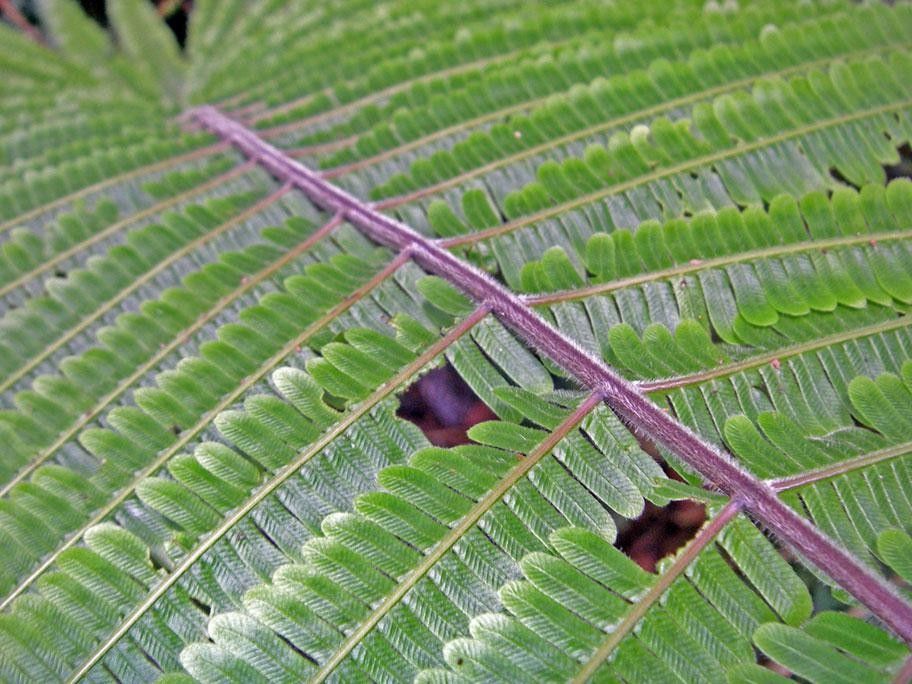
Unlocking the Secrets: Propagating the Graceful Thelypteris Decussata Fern
The Thelypteris decussata, also known as the Maui Christmas fern, is a vision of verdant beauty. With its arching fronds and delicate texture, it brings a touch of tropical elegance to any space. While readily available in nurseries, wouldn’t it be rewarding to multiply these botanical gems yourself? Let’s delve into the fascinating world of Thelypteris decussata propagation and uncover the secrets to success.
Understanding the Fern’s Life Cycle:
Before diving into methods, it’s crucial to understand that ferns don’t produce flowers or seeds like many plants. Instead, they reproduce through spores, microscopic specks found on the undersides of their fronds. These spores, when mature, are released to start a new generation.
Two Avenues for Propagation:
Spore Propagation:
- Timing is Key: Observe your mature fern for signs of spore maturity. Ripe spore cases, called sporangia, turn brown or dark brown. You can gently tap a frond over a white sheet of paper; if a dusty brown residue falls, the spores are ready.
- Gathering the Spores: Carefully cut a frond with ripe sporangia and place it, spore-side down, between two sheets of clean white paper. Store this “sandwich” in a warm, dry place for a few days. The spores will naturally release onto the paper.
- Sowing the Spores: Prepare a sterile seed-starting mix (equal parts peat moss and perlite work well) and moisten it thoroughly. Sprinkle the spores lightly onto the surface, avoiding overcrowding. Do not bury them; ferns need light to germinate.
- Creating a Humid Environment: Cover the container with a clear plastic lid or wrap to maintain high humidity, mimicking the fern’s natural environment. Place the container in a warm, bright location, but out of direct sunlight.
- Patience is a Virtue: Spore germination can take anywhere from a few weeks to several months. Once the fern gametophytes, small heart-shaped structures, appear, mist them regularly and continue providing indirect light.
- Transplanting Success: When small ferns develop (sporophytes), you can carefully separate and transplant them into individual pots filled with a well-draining potting mix.
- Division:
- The Ideal Candidate: Choose a mature, healthy Thelypteris decussata with multiple crowns (points where fronds emerge from the soil).
- Timing the Division: Spring, just as new growth emerges, is the optimal time for division.
- Dividing with Care: Carefully remove the fern from its pot and gently tease apart the root ball, separating the crowns with a sharp, sterilized knife or shears. Ensure each division has a good portion of healthy roots and fronds.
- Potting the Divisions: Plant each division in a pot slightly larger than its root system, using a well-draining potting mix. Water thoroughly and place in indirect sunlight.
Nurturing Your New Ferns:
Whether you choose spore propagation or division, remember that Thelypteris decussata thrives in a humid, warm environment with indirect sunlight and consistently moist (but not soggy) soil. Regular misting, especially during dry periods, will benefit your ferns immensely.
Propagating your own Thelypteris decussata is a rewarding endeavor, allowing you to increase your plant collection while deepening your appreciation for the fascinating life cycle of ferns. With patience, care, and a touch of green-thumb magic, you’ll be well on your way to cultivating a flourishing fern family!