
Unlocking the Secrets of Guinea Fern Propagation: A Beginner’s Guide
Thelypteris guineensis, commonly known as the Guinea Fern, is a stunning foliage plant prized for its graceful fronds and ability to thrive in humid environments. Its lush, vibrant green foliage adds a touch of tropical charm to any indoor space. But did you know that you can easily propagate this stunning fern at home?
This blog post will guide you through the fascinating world of Guinea Fern propagation, exploring the best methods and tips for success, even if you’re a beginner.
Understanding the Basics
Guinea Ferns are a delight to grow, and propagation is a rewarding way to expand your collection or share these beautiful plants with friends. They primarily reproduce through spores and division, offering two distinct paths to grow new ferns.
1. Spore Propagation: A Journey of Patience
While it sounds complex, spore propagation is surprisingly simple. Here’s a step-by-step guide:
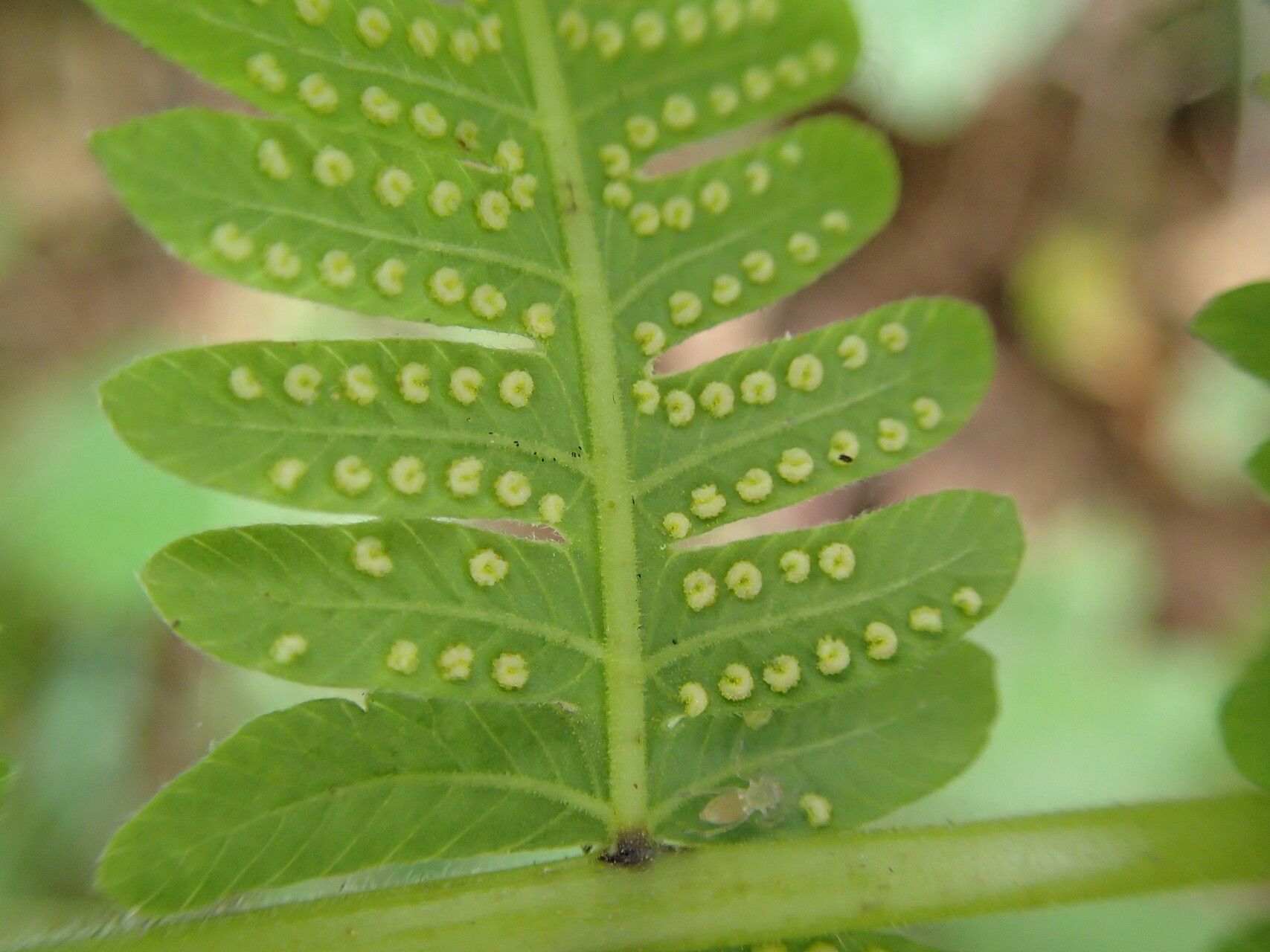
- Collect Spores: Locate mature, brown spore-bearing structures (sori) on the underside of fronds. These are typically located in clusters. Gently scrape the spores onto a piece of paper.
- Prepare the Medium: Fill a shallow container with a well-draining mixture of peat moss and perlite.
- Sow the Spores: Sprinkle the spores evenly over the surface and mist lightly with water.
- Maintain Humidity: Cover the container with clear plastic wrap or a glass lid to maintain humidity. Place in a warm, bright spot, but avoid direct sunlight.
- Patience is Key: Spores can take several weeks to germinate, and it may take months for tiny ferns to develop. Be patient, and don’t lose hope!
2. Division: A Quicker Approach
Dividing a mature Guinea Fern plant is a quicker and more efficient method for creating new plants.
- Timing: Dividing is best done in spring or early summer when the fern is actively growing.
- Preparation: Gently remove the plant from its pot and carefully examine the root system for multiple growth points. Use your hands (or a sharp knife for larger plants) to separate the plant into sections, ensuring each section has its own root mass.
- Repotting: Plant the divisions in individual containers filled with a slightly acidic, well-draining potting mix.
- Care: Water thoroughly and provide optimal growing conditions, including bright, indirect light and humidity.
Tips for Success: From Spores to Divisions
- Maintain Humidity: Guinea Ferns thrive in humid environments. You can achieve optimal humidity by misting daily or placing the container on a tray filled with pebbles and water.
- Water Appropriately: Keep the potting medium consistently moist but not soggy. Avoid overwatering, which can lead to root rot.
- Provide Proper Light: While they prefer bright, indirect light, avoid exposing them to direct sunlight, which can burn the leaves.
- Fertilize Regularly: Use a balanced liquid fertilizer diluted to half strength every few weeks during the active growing season.
Conclusion:
Propagating your Guinea Fern is an enjoyable and rewarding experience. Whether through the patience of spore propagation or the quicker satisfaction of division, the steps are relatively straightforward.
Remember, success comes with a little guidance and a bit of patience. By following these tips, you can unlock the secrets of Guinea Fern propagation and enjoy the beauty of these elegant plants for years to come.