
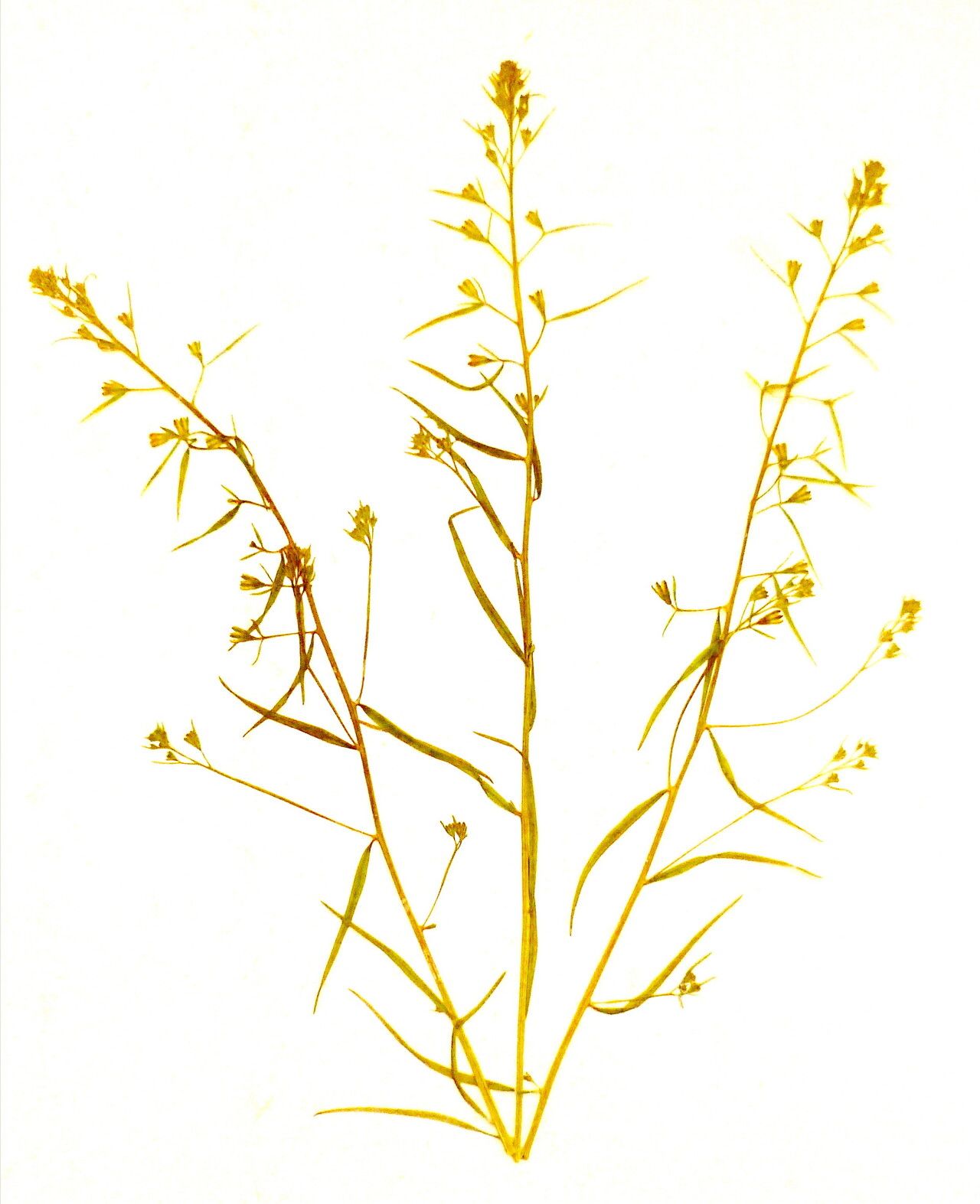
The Elusive Thesium linophyllon: Can You Propagate This Parasitic Beauty?
Thesium linophyllon, with its delicate blooms and penchant for secrecy, is not your average garden plant. This fascinating species is actually a hemiparasite, meaning it derives some of its nutrients by latching onto the roots of neighboring plants. This unique lifestyle, while intriguing, adds a layer of complexity to its propagation.
If you’re lucky enough to encounter Thesium linophyllon in the wild—typically grasslands and dry meadows—you might wonder about the possibility of introducing this understated beauty to your own garden. But be warned, successfully cultivating this plant presents a unique challenge.
Seeds: A Story of Patience and Partnership
The most common method of propagating Thesium linophyllon is by seed. However, patience is key. The seeds have a hard coat and often exhibit dormancy, meaning they require specific conditions to germinate.
Here’s what you can try:
- Cold Stratification: Mimic nature’s cues by subjecting the seeds to a period of cold and moist conditions. Mix them with damp sand or vermiculite, store them in a sealed bag, and place them in the refrigerator for 2-3 months.
- Smoke Priming: Research suggests that smoke can be a surprising ally in breaking seed dormancy. You can purchase commercially available smoke solutions or try exposing the seeds to a brief, controlled smoke treatment.
- Direct Sowing: In fall, sow the seeds directly into the ground where you envision your Thesium linophyllon patch. Be sure to choose a spot with well-drained soil and ample sunlight.
Remember, Thesium linophyllon is a hemiparasite! For successful germination and establishment, the seedlings need to form a connection with a suitable host plant’s roots. Grasses are often their preferred partners.
Vegetative Propagation: A Less Reliable Route
While Thesium linophyllon primarily reproduces through seeds, some sources suggest the possibility of propagation via root cuttings. However, due to the plant’s parasitic nature and specific needs, this method is far more challenging and less reliable than seed propagation.
Cultivating a Thesium linophyllon: Beyond Propagation
If you manage to overcome the hurdles of propagation, cultivating Thesium linophyllon presents further challenges. Here are a few things to keep in mind:
- Host Plants: Ensure the presence of compatible host plants, ideally native grasses, in close proximity to your Thesium linophyllon.
- Soil and Sunlight: Opt for well-drained soil with a slightly acidic to neutral pH. These plants thrive in sunny locations.
- Watering: While Thesium linophyllon can tolerate periods of dryness, consistent moisture (without waterlogging) is crucial, especially during the establishment phase.
A Worthwhile Endeavor?
Propagating Thesium linophyllon is undeniably challenging. It requires patience, careful planning, and an appreciation for the plant’s unique biology. However, for plant enthusiasts seeking a rewarding and unusual addition to their garden, the chance to cultivate this elusive beauty might just be worth the effort.