
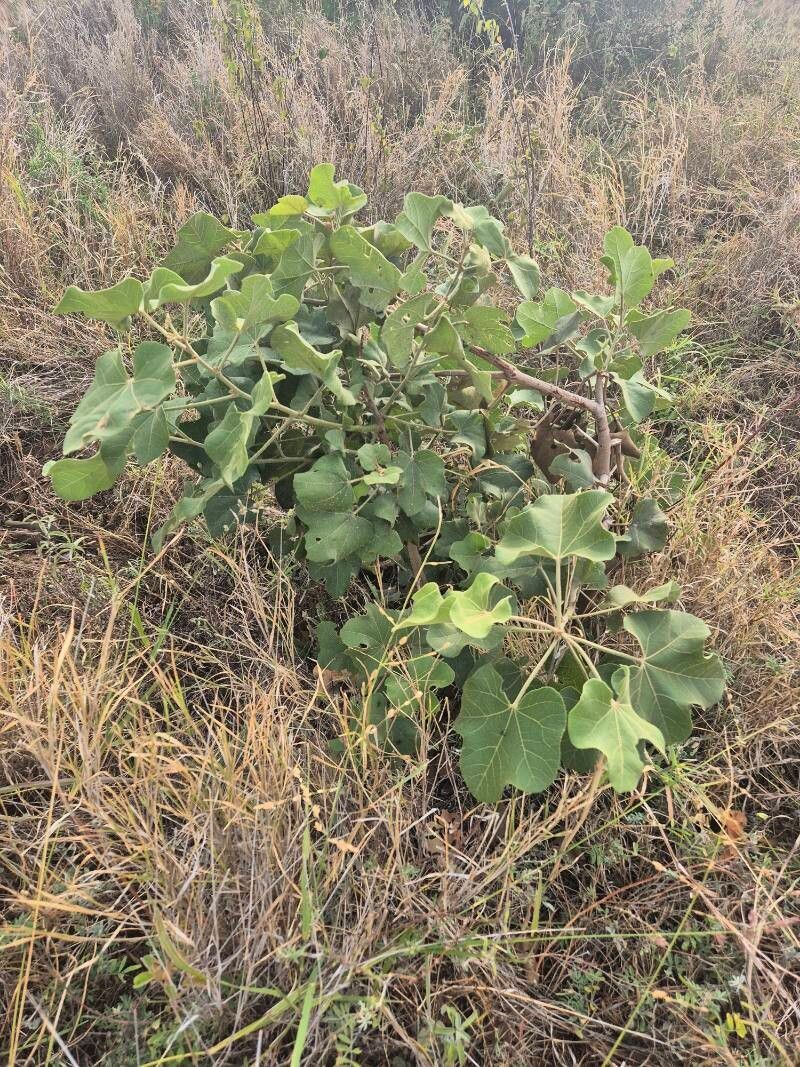
Unlocking the Secrets of the African Tulip Tree: A Guide to Propagating Thespesia garckeana
The African tulip tree, or Thespesia garckeana, is a sight to behold. With its vibrant yellow, hibiscus-like flowers and lush, deep green foliage, this tropical beauty can bring a touch of exotic charm to any garden in warm climates. While admiring its beauty is easy, many wonder about the secrets to successfully propagating this stunning tree. So, let’s delve into the world of Thespesia garckeana propagation and unlock the secrets to growing more of these magnificent trees.
Two Paths to Propagation: Seeds vs. Cuttings
Like many plant species, Thespesia garckeana can be propagated through two primary methods: seeds and cuttings. Each method offers its own set of advantages and challenges, catering to different preferences and resources.
1. The Seed Route: A Journey of Patience and Reward
Propagating Thespesia garckeana from seeds can be incredibly rewarding, offering a deep sense of satisfaction as you witness the entire life cycle of the tree unfold before your eyes. Here’s how:
- Collecting Seeds: Begin by collecting mature seed pods from the tree. These pods are typically brown and woody, containing numerous small, brown seeds.
- Preparing for Germination: Soak the seeds in warm water for 24 hours to soften the outer shell and encourage germination.
- Sowing the Seeds: Plant the seeds in a well-draining seed-starting mix, ensuring they are covered with about half an inch of soil.
- Patience is Key: Keep the soil consistently moist and place the container in a warm, sunny location. Germination can be slow, often taking several weeks or even months.
- Nurturing the Seedlings: Once the seedlings emerge and develop a few true leaves, gradually acclimate them to outdoor conditions before transplanting them to their permanent locations.
2. The Cutting Edge: A Faster Track to Success
For those seeking a quicker and potentially more reliable method, propagating through cuttings is the way to go. This method involves taking a section of a healthy branch and encouraging it to develop roots. Here’s the step-by-step process:
- Taking the Cutting: Select a healthy, non-flowering branch from the tree. The ideal cutting should be about 4-6 inches long and have several nodes (small bumps where leaves emerge).
- Preparing the Cutting: Remove the leaves from the lower half of the cutting and wound the base slightly to expose more of the cambium layer, encouraging root development.
- Hormone Boost: Dip the wounded end in rooting hormone powder to further stimulate root growth.
- Planting the Cutting: Plant the cutting in a pot filled with a well-draining potting mix.
- Creating a Humid Environment: Cover the pot with a clear plastic bag or place it in a propagator to maintain high humidity, facilitating root development.
- Transplanting Success: Once the cutting shows signs of new growth, it signifies successful root development. Gradually acclimate it to outdoor conditions before transplanting it.
Essential Tips for Propagation Success
No matter which method you choose, here are a few essential tips to maximize your chances of success:
- Well-draining Soil: Thespesia garckeana thrives in well-draining soil. Ensure your chosen soil mix prevents waterlogging and root rot.
- Warmth and Light: These tropical trees thrive in warmth and sunlight. Select a location that receives at least 6 hours of sunlight daily.
- Patience and Observation: Be patient and observant throughout the propagation process. Monitor moisture levels, provide the necessary nutrients, and address any issues promptly.
Propagating Thespesia garckeana is a rewarding journey, allowing you to cultivate these remarkable trees and share their beauty with generations to come. Whether you choose the patience of seed propagation or the efficiency of cuttings, following these guidelines will set you on the path to success. Enjoy the journey and the remarkable beauty these trees bring to your world.