
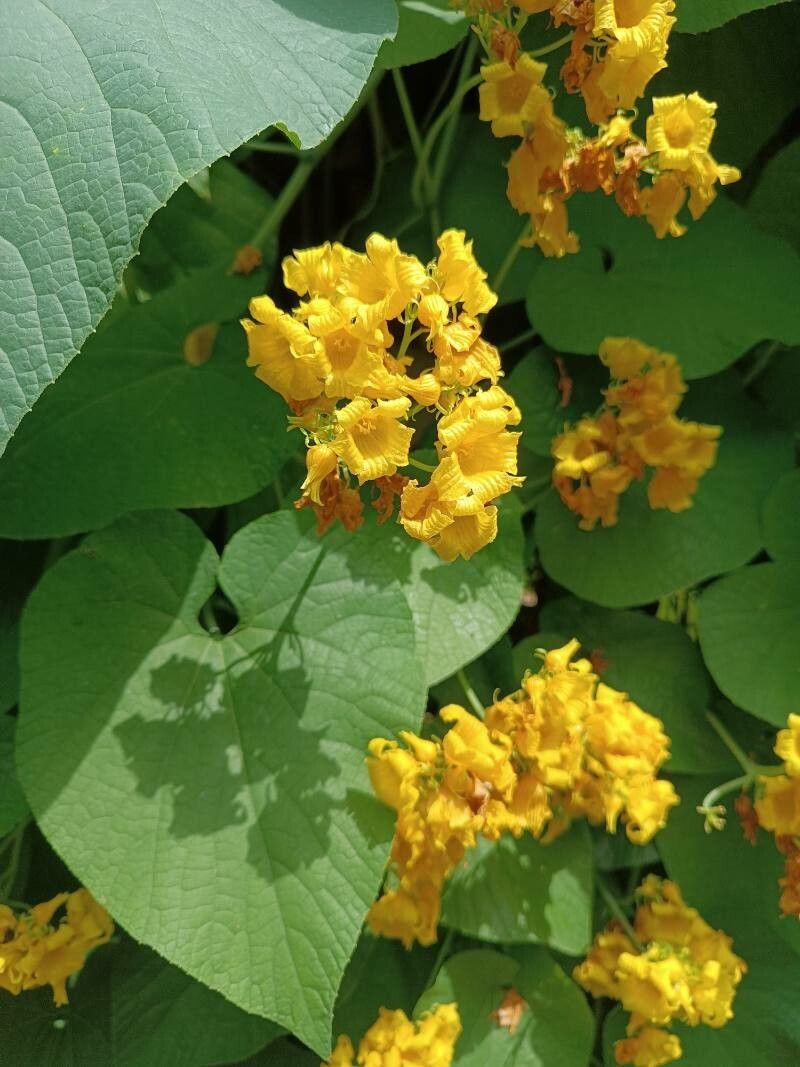
Propagating the Chinese Cucumber Vine (Thladiantha dubia): A Gardener’s Guide
Introduction
Thladiantha dubia, commonly known as the Chinese cucumber vine, is a vigorous, climbing vine prized for its striking, heart-shaped leaves and unusual, somewhat cucumber-like fruits. Its rapid growth and attractive foliage make it a popular choice among gardeners seeking a dramatic, fast-growing cover for fences, walls, or trellises. However, its unique characteristics also present some challenges when it comes to propagation. Unlike many commonly cultivated plants, Thladiantha dubia doesn’t readily lend itself to all propagation methods, making success all the more rewarding.
Seed Germination
Seed germination of Thladiantha dubia is possible, but it’s not always straightforward. Challenges include low germination rates and inconsistent results. The seeds have a hard seed coat which can hinder water uptake and germination.
Tips for Seed Germination:
- Stratification: Cold stratification is recommended. Store seeds in moist vermiculite or peat moss in a sealed container in the refrigerator at approximately 4°C (39°F) for 6-8 weeks before sowing. This mimics the natural winter conditions and helps break seed dormancy.
- Sowing Technique: Sow seeds individually in small pots filled with a well-draining seed-starting mix. Keep the soil consistently moist but not waterlogged. Germination typically occurs within 2-4 weeks after sowing, but it can be longer. Warm temperatures (20-25°C or 68-77°F) are beneficial post-stratification.
- Rewards: Successful seed germination offers genetic diversity within your plants and allows for potential large-scale propagation.
Cuttings
Propagating Thladiantha dubia from cuttings is a more reliable method than seed propagation. However, success heavily depends on timing and technique.
Challenges and Tips for Cuttings:
- Timing: Softwood cuttings taken in late spring or early summer, when the plant is actively growing, generally show the best results.
- Technique: Take cuttings of approximately 10-15cm (4-6 inches) long, removing lower leaves. Dip the cut ends in rooting hormone to encourage root development. Plant cuttings in a mixture of peat moss and perlite, keeping them moist and warm under humidity (e.g., a propagator or covered with a plastic bag). Rooting can take several weeks.
- Rewards: Cuttings provide a quicker way to establish new plants compared to seeds, conserving the desirable traits of the parent plant.
Division
Division is another relatively successful method, particularly for established plants.
Challenges and Tips for Division:
- Timing: Early spring or autumn, when the plant is less actively growing, works best to minimize stress.
- Technique: Carefully dig up the mature plant and gently separate it into smaller sections, ensuring each division has healthy roots and several stems. Replant these divisions immediately in similar conditions to the mother plant.
- Rewards: This method allows for quick multiplication of existing plants and reduces the time for establishing new individuals.
Tissue Culture
While possible, tissue culture propagation of Thladiantha dubia is not a commonly practiced method for home gardeners due to the specialized equipment and expertise required. It would most likely be undertaken in a commercial or research setting.
Conclusion
Propagating Thladiantha dubia presents certain challenges, with successful germination from seed proving tricky and requiring patience. Cuttings and division offer more reliable results, particularly for the home gardener. The unique satisfaction in successfully cultivating this striking vine, however, comes from overcoming these obstacles. The effort invested is handsomely rewarded by the rapid growth and impressive display of the mature plant. Whether you opt for seed, cutting, or division, the key to success lies in paying close attention to detail – providing optimal conditions for rooting and growth. Don’t be discouraged by initial setbacks; perseverance and attention to the tips mentioned above will greatly enhance your chances of successfully propagating this beautiful vine.