
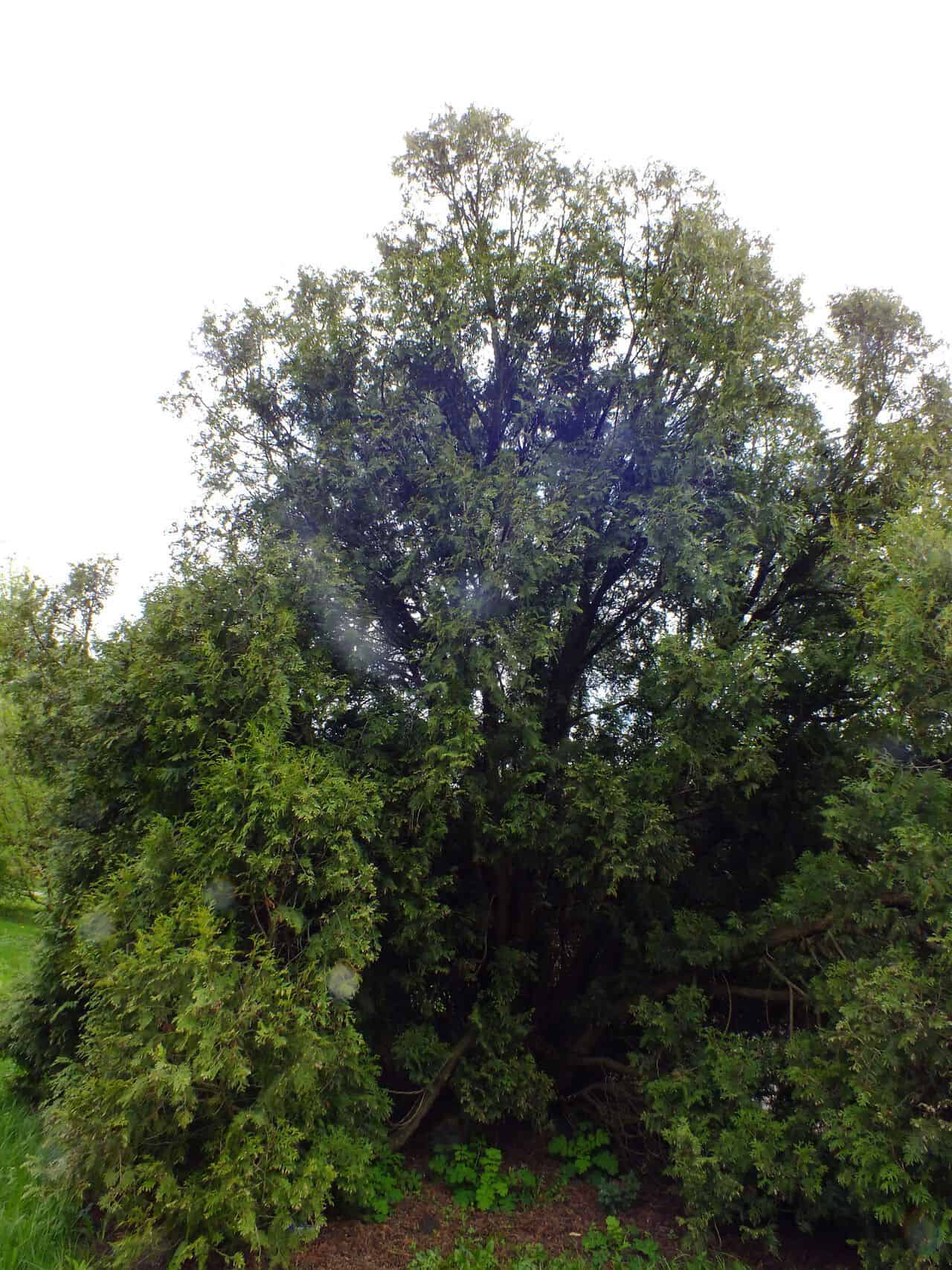
Demystifying Korean Arborvitae Propagation: Grow Your Own Emerald Green Gem
The Korean Arborvitae (Thuja koraiensis) is a stunner. Imagine a compact, evergreen shrub draped with emerald green foliage, showcasing silvery undersides that shimmer in the breeze. This slow-growing beauty, native to Korea, adds year-round elegance to any landscape, and the best part? You can propagate it yourself!
While sourcing Korean Arborvitae from nurseries is always an option, propagating your own allows you to expand your garden collection, share the joy of these resilient plants, and maybe even save a little money. Let’s delve into the two most common and effective methods:
1. Propagation from Cuttings:
This method involves encouraging a cut stem to develop roots and grow into a new plant. Here’s a step-by-step guide:
Timing:
- Ideal: Late summer to early fall. This period allows cuttings to develop a strong root system before winter dormancy.
- Possible: Spring, but success rates can be lower due to rapid new growth demanding energy.
Process:
- Choose healthy, non-flowering stems: Select young, vigorous side shoots about 6-8 inches long.
- Prepare the cuttings: Using a sharp, sterilized knife or pruning shears, make a clean cut just below a leaf node (the point where a leaf attaches to the stem).
- Wound the cuttings: Gently scrape off a small section of bark at the base of the cutting to expose the cambium layer, promoting root growth.
- Hormone treatment (optional but recommended): Dip the wounded end in rooting hormone powder to further encourage root development.
- Planting: Insert the cuttings about 2-3 inches deep into a well-draining rooting medium (a mixture of peat moss and perlite works well).
- Provide a humid environment: Cover the pot with a clear plastic bag or use a propagation dome to retain moisture and simulate a greenhouse environment.
- Maintenance: Place the cuttings in a bright, indirect light location. Mist the soil regularly to keep it evenly moist but not waterlogged.
- Patience is key: Root development takes time. Depending on conditions, it can take anywhere from 6 to 12 weeks for the cuttings to root successfully.
2. Propagation from Seed:
This method requires more time and patience, as Korean Arborvitae seeds have a rather long stratification period (cold treatment to mimic natural winter conditions).
Process:
- Seed Collection: Collect mature cones from a healthy Korean Arborvitae in late summer or early fall.
- Seed Extraction: Allow the cones to dry in a warm, airy location. Once dry, the scales will open, releasing the seeds.
- Stratification: Place the seeds in a moistened paper towel inside a sealed plastic bag. Refrigerate for 10-12 weeks to simulate winter dormancy.
- Sowing: In spring, sow the stratified seeds in a seed starting mix, lightly covering them with soil.
- Care: Provide bright, indirect light and keep the soil consistently moist.
- Germination Time: Be patient, germination can take anywhere from a few weeks to a few months.
- Transplanting: Once seedlings develop a few sets of true leaves, they can be carefully transplanted into individual pots or outdoors in a prepared bed.
A Final Word:
Propagating your own Korean Arborvitae is a rewarding endeavor that connects you to the natural world and provides a sense of accomplishment. So, gather your gardening gloves, embrace your green thumb, and witness the magic of new life unfolding in your own backyard!