
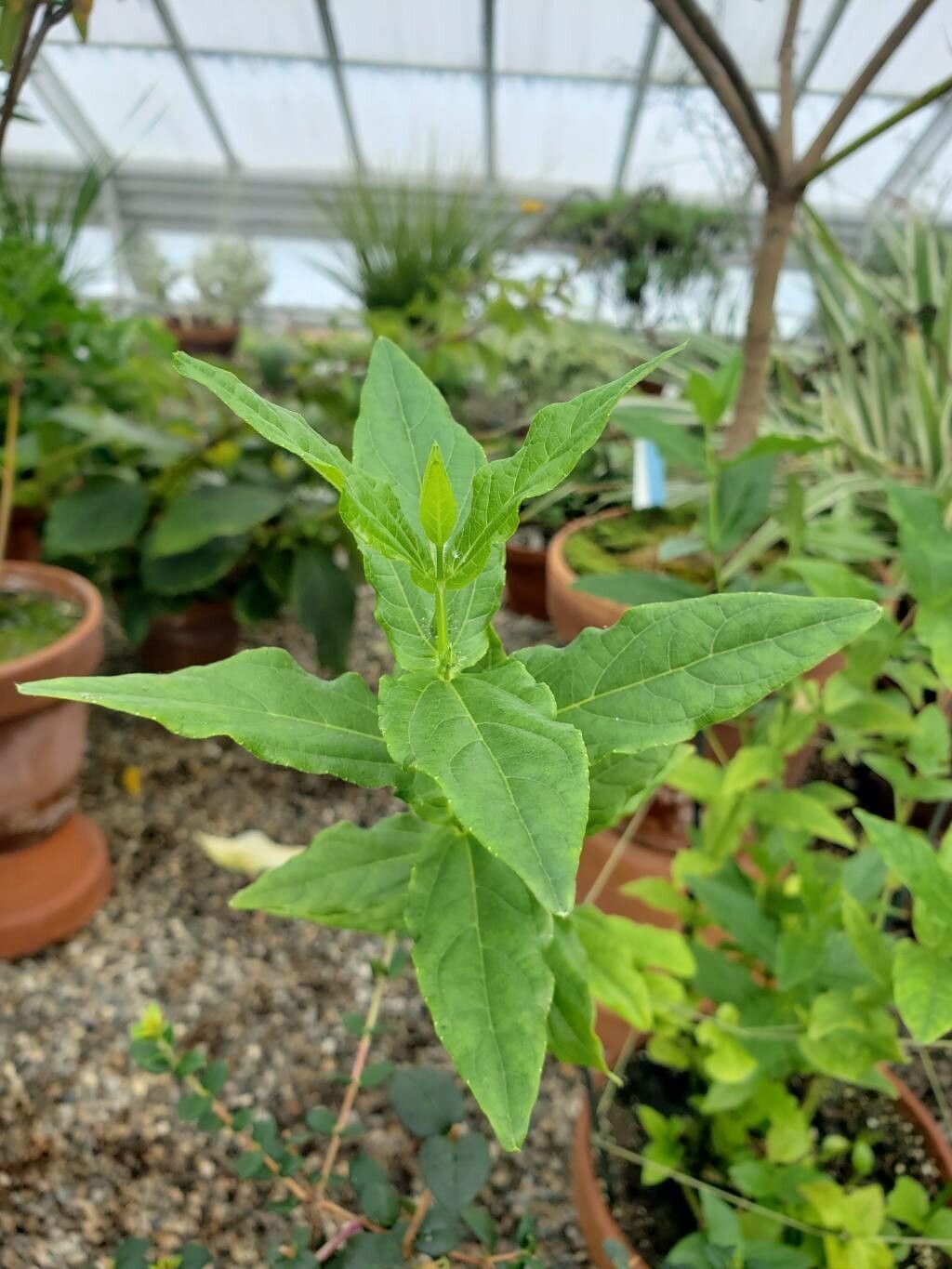
Propagating the Cape Honeysuckle: A Gardener’s Guide to Thunbergia natalensis
Thunbergia natalensis, commonly known as the Cape Honeysuckle, is a vigorous, fast-growing climbing plant prized for its vibrant orange-yellow flowers and lush green foliage. Its cascading habit makes it a popular choice for hanging baskets, trellises, and fences, adding a splash of colour to any garden. While readily available commercially, propagating Cape Honeysuckle can be a rewarding experience, offering gardeners a chance to expand their stock and share this beautiful plant. However, success depends on selecting the appropriate propagation method.
Seed Germination:
Currently, there are no known reliable methods for seed germination propagation of Thunbergia natalensis. While the plant does produce seeds, germination rates are extremely low, and even with specialized techniques, consistent success remains elusive. This is likely due to the plant’s reliance on other propagation methods in its natural environment.
Cuttings:
Cuttings represent the most reliable and straightforward method for propagating Thunbergia natalensis.
- Challenges: Success depends on selecting healthy, actively growing stems and providing appropriate conditions for rooting. Overwatering or insufficient humidity can lead to rot.
- Practical Tips: Take semi-hardwood cuttings (partially matured stems) of about 4-6 inches in length, removing lower leaves to prevent rotting. Dip the cut ends in rooting hormone before planting them in a well-draining potting mix. Maintain high humidity (using a humidity dome or plastic bag) and consistently moist (but not soggy) conditions. Place the cuttings in a warm, bright location out of direct sunlight.
- Rewards: Cuttings offer a relatively quick propagation method, resulting in genetically identical plants to the parent plant, maintaining desirable traits. It’s also a relatively simple technique suitable for home gardeners.
Division:
Division is another viable propagation method, especially for established, larger plants.
- Challenges: This method requires a mature plant and careful handling to avoid damaging the roots and stems. The divided portions need to be large enough to establish themselves independently.
- Practical Tips: Carefully dig up the plant, gently separating the root ball into several divisions, each with its own healthy root system and several stems. Replant the divisions immediately in well-prepared soil, ensuring each has adequate space to grow.
- Rewards: Division provides a quicker way to increase the number of plants compared to cuttings, and it’s a less technically demanding method once the plant is large enough.
Tissue Culture:
Tissue culture offers the potential for large-scale propagation and disease-free plants.
- Challenges: This is a more complex and specialized method requiring sterile conditions, specialized equipment, and a good understanding of plant tissue culture techniques. It’s not typically feasible for home gardeners.
- Practical Tips: Successful tissue culture requires a controlled environment with specific nutrient media, aseptic conditions, and expertise in sterilizing plant material and maintaining sterile culture vessels.
- Rewards: Tissue culture allows for rapid multiplication of desirable plants, ensuring uniformity and disease-free stock, ideal for commercial propagation.
Conclusion:
Propagating Thunbergia natalensis presents varying levels of challenge depending on the chosen method. While seed germination is unreliable, cuttings offer a relatively simple and successful approach for home gardeners. Division is an option for larger established plants, while tissue culture remains a more specialized technique. The rewards, however, are worth the effort. The vibrant colour and vigorous growth of the Cape Honeysuckle, coupled with the satisfaction of nurturing a plant from a cutting or division, make the endeavor an immensely enriching experience. Don’t be discouraged by initial setbacks; persevere, learn from your mistakes, and embrace the journey of propagating this beautiful climber.