
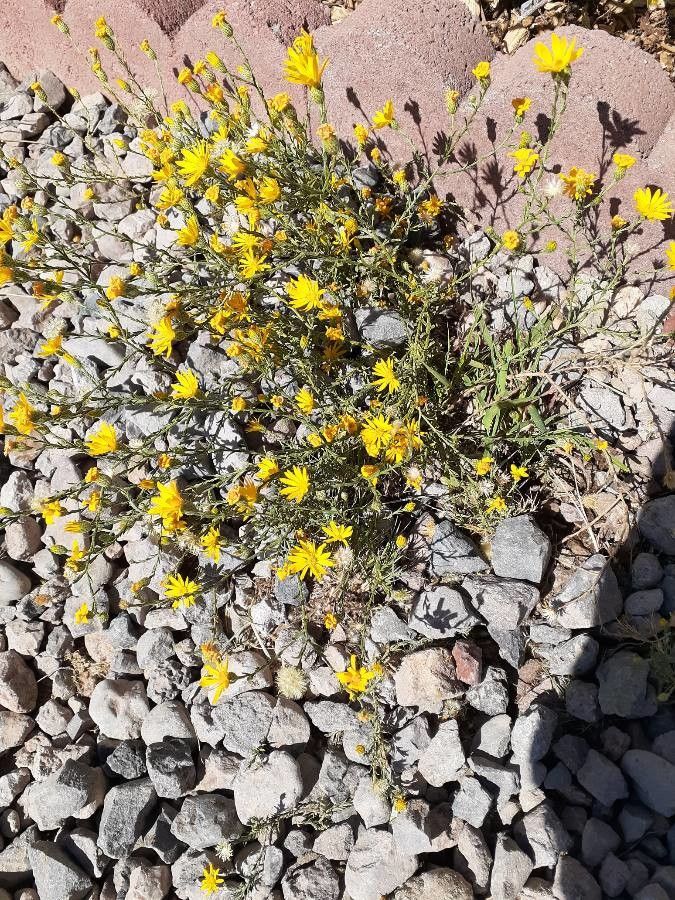
Tiny Blooms, Big Impact: Propagating the Charming Thymophylla Setifolia
The Thymophylla setifolia, also known as the Bristleleaf pricklyleaf or Golden Fleece, might not have the most glamorous name, but don’t let that fool you. This delightful plant, with its feathery foliage and sunny yellow blooms, is a low-maintenance charmer that adds a touch of whimsy to any garden. And the best part? It’s surprisingly easy to propagate, meaning you can enjoy its beauty in abundance without breaking the bank.
Ready to unlock the secrets to multiplying your Thymophylla Setifolia? Let’s dive into the world of propagation:
Two Paths to Propagation
For the Thymophylla setifolia, you have two main methods at your disposal:
1. Seed Starting: A Journey from Tiny Specks to Vibrant Plants
- Timing is Key: Begin your seed starting adventure indoors about 6-8 weeks before the last expected frost. This gives the seedlings a head start and ensures they’re strong enough to handle outdoor conditions.
- Sowing the Seeds: Use a well-draining seed starting mix and lightly press the tiny seeds onto the surface. Don’t bury them deep – they need light to germinate. Mist the soil gently and cover the tray with a humidity dome or plastic wrap to retain moisture.
- Light and Warmth: Thymophylla setifolia seeds crave warmth and sunlight for optimal germination. Place your seedling tray in a bright location, maintaining a temperature of around 70-75°F (21-24°C).
- Patience, Young Padawan: Germination can take anywhere from 1 to 3 weeks. Once the seedlings have developed a few true leaves, you can thin them out, giving the stronger ones more space to thrive.
- Transplanting Time: When the danger of frost has passed, gradually acclimate your seedlings to outdoor conditions before transplanting them into your garden or larger pots.
2. Cuttings: Cloning Your Favorite Plant
- Choosing the Perfect Moment: Spring or early summer, when the plant is actively growing, is the ideal time for taking cuttings.
- Making the Cut: Use clean, sharp shears to take 3-4 inch cuttings from healthy, non-flowering stems. Remove the lower leaves, leaving a few at the top.
- Hormonal Help (Optional but Recommended): Dipping the cut ends in rooting hormone powder can significantly increase your chances of success.
- Planting the Cuttings: Stick the prepared cuttings into a well-draining potting mix, burying the nodes where you removed the leaves.
- Creating a Humid Environment: Cover the pot with a plastic bag or place it in a propagator to maintain high humidity, which encourages rooting.
- Root Development: Keep the soil consistently moist but not waterlogged. In a few weeks, gently tug on the cuttings – if you feel resistance, it means roots are developing!
- Potting Up: Once the cuttings have a well-established root system, they’re ready to be potted up individually or planted in their final garden location.
Thriving in Your Garden
Thymophylla setifolia flourishes in sunny locations and well-drained soil. It’s drought-tolerant once established, making it a great choice for low-water gardens. Regular deadheading encourages continuous blooming and keeps the plant looking its best.
Propagating your Thymophylla setifolia is a rewarding experience that allows you to expand your garden with these cheerful, sun-loving plants. Enjoy the process and the beautiful blooms that follow!