
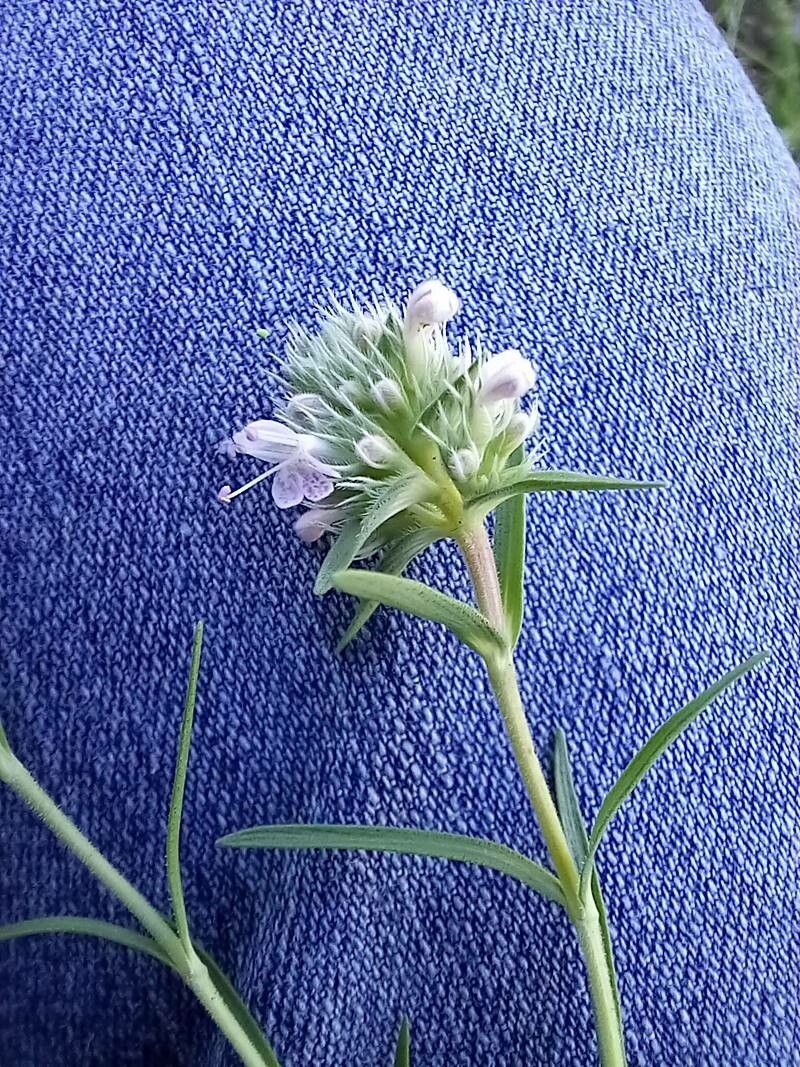
Propagating Thymus atticus: A Gardener’s Guide to the Greek Thyme
Introduction:
Thymus atticus, commonly known as Greek thyme, is a low-growing, aromatic herb prized for its intensely fragrant, lemony-scented foliage. Its compact habit and drought tolerance make it a popular choice for rock gardens, herb gardens, and even as a groundcover. While readily available commercially as small plants, propagating Thymus atticus offers a rewarding challenge and the potential to expand your stock of this delightful herb. The unique aspects of its propagation, largely attributed to its somewhat recalcitrant nature, make successful multiplication a source of considerable satisfaction for the dedicated gardener.
Seed Germination:
Currently, there are no known reliable methods for seed germination propagation of Thymus atticus. While Thymus species generally produce seeds, germination rates are often low and unpredictable for Thymus atticus specifically. Further research into specific seed treatments may be fruitful, but currently, relying on seed propagation isn’t a practical approach for most gardeners.
Cuttings:
This method offers a more reliable way to propagate Thymus atticus.
Challenges: The success rate depends heavily on timing and technique. Hardwood cuttings tend to root poorly, whereas semi-hardwood cuttings (taken from new growth that has begun to lignify) are more promising.
Practical Tips: Take 4-6 inch cuttings in late spring or early summer. Remove lower leaves, dip the cut ends in rooting hormone, and plant them in a well-draining propagation mix (e.g., a blend of perlite and vermiculite). Maintain consistently moist (but not soggy) conditions and high humidity (e.g., using a humidity dome). Provide bright, indirect light.
Rewards: Cuttings offer a relatively fast way to produce genetically identical clones of your mother plant, preserving desirable traits.
Division:
Division is a straightforward and highly successful method for propagating established Thymus atticus plants.
Challenges: This method is only applicable to mature plants that have developed a sufficient root system. Improper division can damage the plant, leading to failure.
Practical Tips: The best time for division is during spring or early autumn. Carefully dig up the mature plant and gently separate healthy sections, ensuring each division has a good root system and several stems. Replant the divisions immediately in well-draining soil, spacing them appropriately.
Rewards: Division is relatively simple, resulting in quick establishment of new plants and an immediate increase in your stock.
Tissue Culture:
Tissue culture offers the potential for mass propagation of Thymus atticus, but it requires specialized equipment and expertise.
Challenges: This method requires a sterile laboratory environment and specialized knowledge of plant tissue culture techniques. It’s considerably more complex and expensive than other methods.
Practical Tips: This method is not suitable for the home gardener. It’s best left to professionals with the necessary facilities and experience.
Rewards: Tissue culture enables the rapid production of a large number of genetically identical plants, ideal for commercial cultivation or preservation of rare genotypes.
Conclusion:
Propagating Thymus atticus presents a range of challenges depending on the chosen method. While seed propagation is currently unreliable, cuttings and division offer relatively simple and successful routes for home gardeners. Tissue culture remains a highly specialized method best suited to commercial settings. The rewards – expanding your herb garden with the delightful aroma of Greek thyme, potentially preserving exceptional genetic variations via cuttings, or enjoying the satisfaction of successfully cultivating this plant despite its challenges – are well worth the effort. Remember patience and attention to detail are key for success, and the unique aroma of your propagated thyme will be its own reward. Don’t be discouraged by setbacks; the perseverance will make the eventual success that much sweeter.