
Unlocking the Secrets of Thyme Propagation: How to Multiply Your Thymus Longiflorus
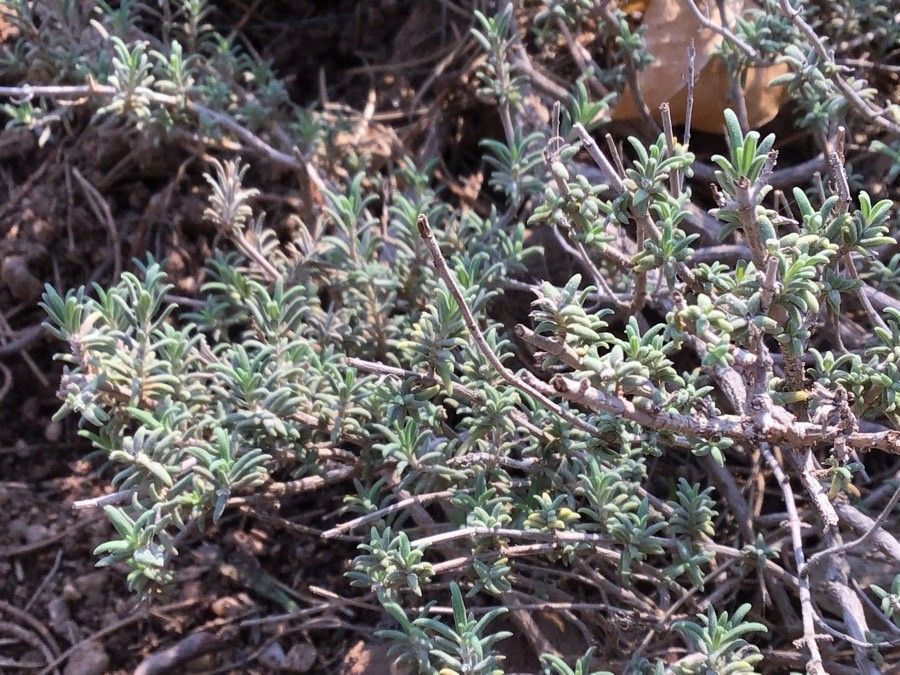
Thymus longiflorus, more charmingly known as Long-Flowered Thyme, is a Mediterranean gem treasured for its cascading foliage and showy blossoms. Bringing this aromatic beauty into your garden is a delight, but imagine multiplying that joy – for free! This is where the magic of propagation comes in. Let’s unravel the secrets to successfully propagate Thymus longiflorus and fill your world with its fragrant charm.
Three Ways to Grow More Thyme
Thymus longiflorus can be propagated in three main ways:
Seed Starting: Starting from seed is an adventure best begun in late winter or early spring.
- The Setup: Sow the tiny seeds in a well-draining seed starting mix, barely covering them with soil. Mist generously and keep the soil consistently moist.
- The Wait: Patience is key! Germination can take anywhere from 2-4 weeks. Ensure the seed tray is placed in a warm, brightly lit location.
- The Transition: Once seedlings have developed a couple of sets of true leaves, they’re ready to be transplanted into individual pots or outdoors after the last frost.
Stem Cuttings: This method offers a faster route to new plants and is best undertaken in late spring or early summer.
- The Choice: Select healthy, non-flowering stems about 3-4 inches long. Remove the lower leaves to expose a section of bare stem.
- The Dip: For a boost, dip the cut end in rooting hormone (though not strictly necessary).
- The Nest: Plant the cuttings in a pot filled with a well-draining mix of peat moss and perlite. Keep the soil consistently moist.
- The Roots: In 4-6 weeks, your cuttings should have developed roots, at which point they can be potted individually or planted outdoors.
Layering: A low-maintenance method for propagating Thymus Longiflorus takes advantage of the plant’s natural tendency to root along its stems.
- The Selection: Choose a flexible stem close to the ground.
- The Anchor: Gently bend the stem downwards and bury a section of it about 2-3 inches deep in the soil, using a small rock or landscape pin to hold it securely in place.
- The Wait: Over time, the buried portion of the stem will develop roots. This usually takes a couple of months.
- The Separation: Once rooted, carefully sever the new plant from the parent and transplant it.
Tips for Propagation Success
- Well-Draining Soil: Thymus Longiflorus thrives in well-drained soil. Use a mix specifically designed for herbs or amend your soil with perlite or sand.
- Sunlight is Key: Provide your new thyme plants with plenty of sunlight, at least 6 hours per day.
- Water Wisely: While thyme is relatively drought-tolerant once established, it’s important to keep the soil consistently moist during the propagation process. However, avoid overwatering, which can lead to root rot.
- Pinch and Prune: Regularly pinching back the tips of your thyme plants will encourage bushier growth and prevent legginess.
Propagation is a rewarding endeavor that allows you to expand your herb garden while gaining a deeper understanding of plant life cycles. With a little patience and care, you can successfully propagate Thymus longiflorus and enjoy its beauty and aroma for years to come.