
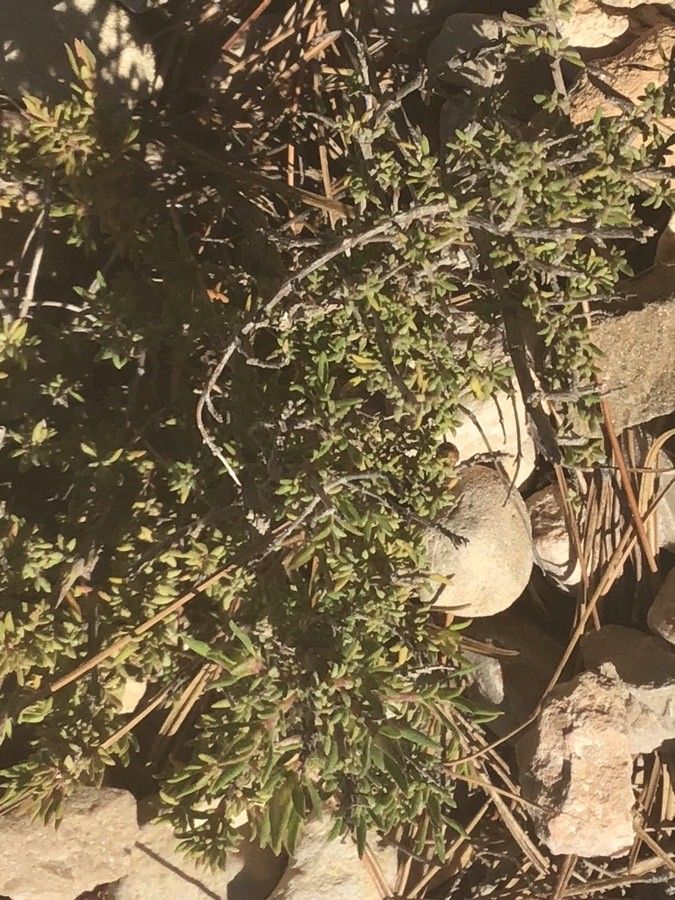
Propagating Thymus membranaceus: A Gardener’s Guide to the Woolly Thyme
Introduction:
Thymus membranaceus, commonly known as woolly thyme, is a captivating aromatic herb prized for its silvery-grey foliage and delicate pink flowers. This low-growing, spreading perennial is a favorite among gardeners due to its drought tolerance, resilience, and attractive texture, making it a perfect choice for rock gardens, borders, and ground cover. Its unique woolly leaves, a characteristic that gives it its common name, create a soft, almost fuzzy appearance, distinct from other thyme varieties. While its propagation presents some challenges, the reward of cultivating this beautiful and hardy plant is well worth the effort. Its popularity means gardeners are frequently seeking ways to increase their stock.
Seed Germination:
Currently, there are no known reliable methods for seed germination propagation of Thymus membranaceus. While seeds may be produced, germination rates are exceptionally low, making this method impractical for most gardeners.
Cuttings:
Cuttings offer a more reliable method for propagating woolly thyme.
Challenges: The success rate of cuttings can be variable, dependent on factors like timing, environmental conditions, and the quality of the cutting material. Woolly thyme cuttings can be slow to root.
Practical Tips: Take semi-hardwood cuttings in late summer or early autumn. Cuttings should be approximately 4-6 inches long, taken from non-flowering stems. Remove lower leaves and dip the cut ends in rooting hormone before planting them in a well-draining, gritty compost mix. Maintain high humidity and consistent moisture, using a propagator or plastic bag to create a humid environment. Root formation typically takes several weeks to months.
Rewards: This method offers a relatively quick way to increase the number of plants, maintaining the genetic characteristics of the parent plant.
Division:
Division is a highly successful and straightforward method for propagating Thymus membranaceus.
Challenges: Division is best done in spring or fall, requiring careful handling of the plant to avoid damaging the roots. Older, more established plants are the most suitable for division.
Practical Tips: Gently dig up the mature plant and carefully separate it into smaller sections, each containing several stems and a healthy root system. Replant these divisions, ensuring proper spacing for optimal growth.
Rewards: Division is a simple, effective technique that results in quick establishment of new plants and is less technically demanding than other propagation methods. It also helps rejuvenation of the parent plant.
Tissue Culture:
Tissue culture is a potentially viable method for large-scale propagation of Thymus membranaceus, though not typically utilized by home gardeners.
Challenges: This method requires specialized equipment, laboratory conditions, and sterile techniques, making it costly and impractical for home propagation. Developing reliable protocols for Thymus membranaceus would be necessary.
Practical Tips: This method requires expertise in plant tissue culture techniques. Explants (small pieces of plant tissue) would need to be cultured on a nutrient medium under controlled conditions to induce shoot and root formation.
Rewards: Tissue culture allows for the rapid and large-scale propagation of genetically identical plants, ideal for commercial production or conservation efforts.
Conclusion:
While seed propagation is largely ineffective for Thymus membranaceus, cuttings and particularly division provide reliable and practical methods for home gardeners to expand their woolly thyme collections. While tissue culture offers the potential for large-scale propagation, its complexity makes it unsuitable for most amateur growers. The challenges involved, particularly with cuttings, underscore the satisfaction derived from successfully nurturing these plants from a cutting or division. The soft, fragrant foliage and resilience of Thymus membranaceus reward the gardener’s patience and effort. So, don’t be discouraged by potential roadblocks. Embrace the process, experiment with cuttings or division, and revel in the unique character of your successfully propagated woolly thyme.