
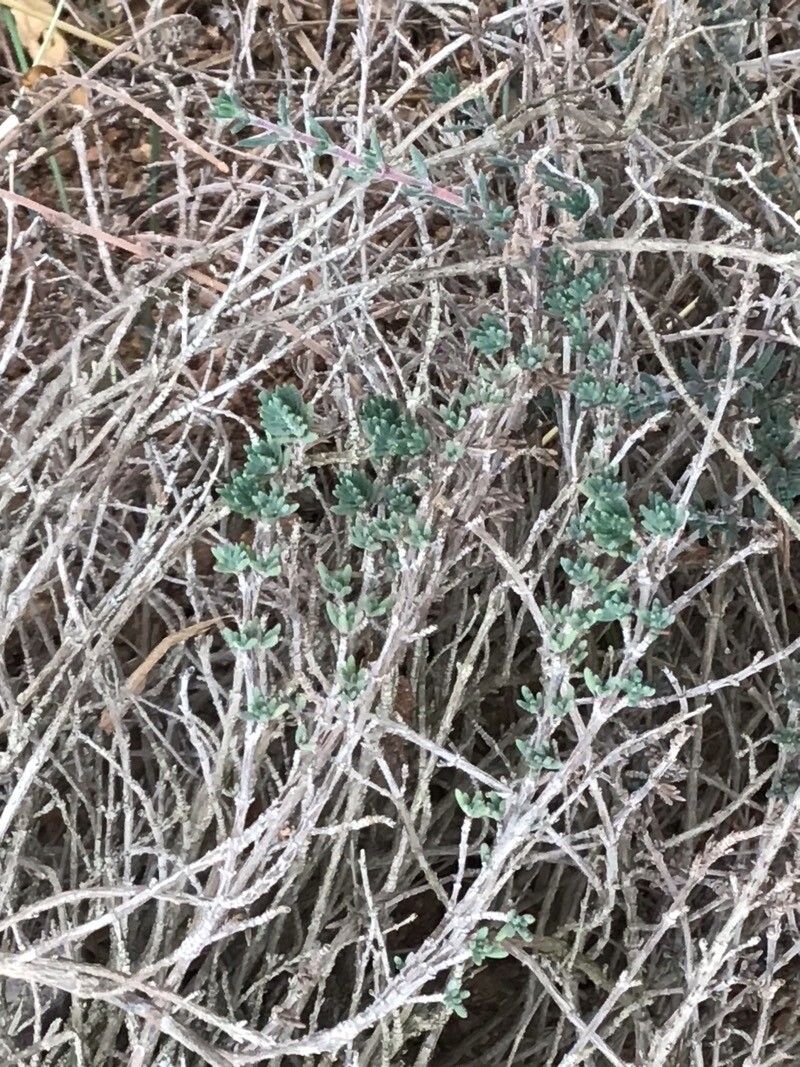
From Tiny Sprig to Lush Garden: Propagating the Fragrant Thymus munbyanus
The Thymus munbyanus, or Moroccan Thyme, is a captivating herb renowned for its vibrant foliage and intensely fragrant aroma. Its small, silvery-green leaves release a spicy, lemony scent when brushed against, making it a delightful addition to any garden. But perhaps best of all, this hardy plant is surprisingly easy to propagate, allowing you to multiply your stock and share its beauty with others.
Let’s explore the different methods for propagating Thymus munbyanus, empowering you to create a thriving patch of this captivating herb:
1. Seed Propagation: A New Life From Scratch
While Thymus munbyanus can be grown from seed, it is generally considered a less popular method, as the resulting plants may not retain the specific characteristics of the parent plant. However, if you’re up for the challenge, here’s what you need to know:
- Timing: Sow seeds indoors in early spring, starting about 6-8 weeks before the last frost. Alternatively, direct sow seeds outdoors in late spring or early summer when the soil has warmed sufficiently.
- Preparation: Fill a seed tray or pot with well-draining potting mix and lightly moisten it. Scatter the seeds thinly over the surface and gently press them into the soil.
- Care: Keep the soil moist but not soggy. The seeds will germinate in about 2-3 weeks in warm, bright conditions. Once seedlings have a few sets of true leaves, transplant them into larger pots or directly into your garden bed.
2. Taking Cuttings: Fast and Effective
For a quicker and more reliable method of propagation, opt for taking cuttings. This technique involves extracting a small section of stem from the parent plant and nurturing it to develop roots. Here’s a step-by-step guide:
- Selection: Choose healthy, non-flowering stems from your Thymus munbyanus plant. Cuttings taken in spring or early summer usually root most easily.
- Preparation: Cut a 4-6 inch section of stem, making a clean cut just below a node (the point where a leaf grows). Remove any leaves from the bottom inch of the stem.
- Rooting: Dip the cut end of the stem in a rooting hormone, which helps stimulate root growth. Insert the stem into a pot filled with a mixture of peat moss and perlite, or a propagation mix. Keep the soil moist and provide bright, indirect light.
- Patience: It can take 4-6 weeks for cuttings to develop roots. Once roots appear, you can transplant them into larger pots or directly into your garden bed.
3. Division: A Multiplicative Boon
Thymus munbyanus can also be easily propagated through division. This method involves separating a mature plant into multiple smaller plants, each with its own root system.
- Timing: The best time for dividing your Thymus munbyanus is during the early spring or late fall.
- Process: Gently remove the plant from its container or dig it up from the garden bed. Carefully use a sharp knife or garden fork to divide the plant into a few sections, ensuring each section has healthy roots.
- Planting: Replant the new divisions in their separate pots or garden beds, spacing them according to the plant’s mature size.
Thriving Thyme:
Propagating Thymus munbyanus is an enriching experience, offering the satisfaction of creating new life and expanding your herb garden. Whether you choose seeds, cuttings, or division, remember to provide your newly propagated plants with well-draining soil, ample sunlight, and regular watering. With a little care and attention, your Thymus munbyanus will thrive, filling your garden with its captivating scent and delightful beauty.