
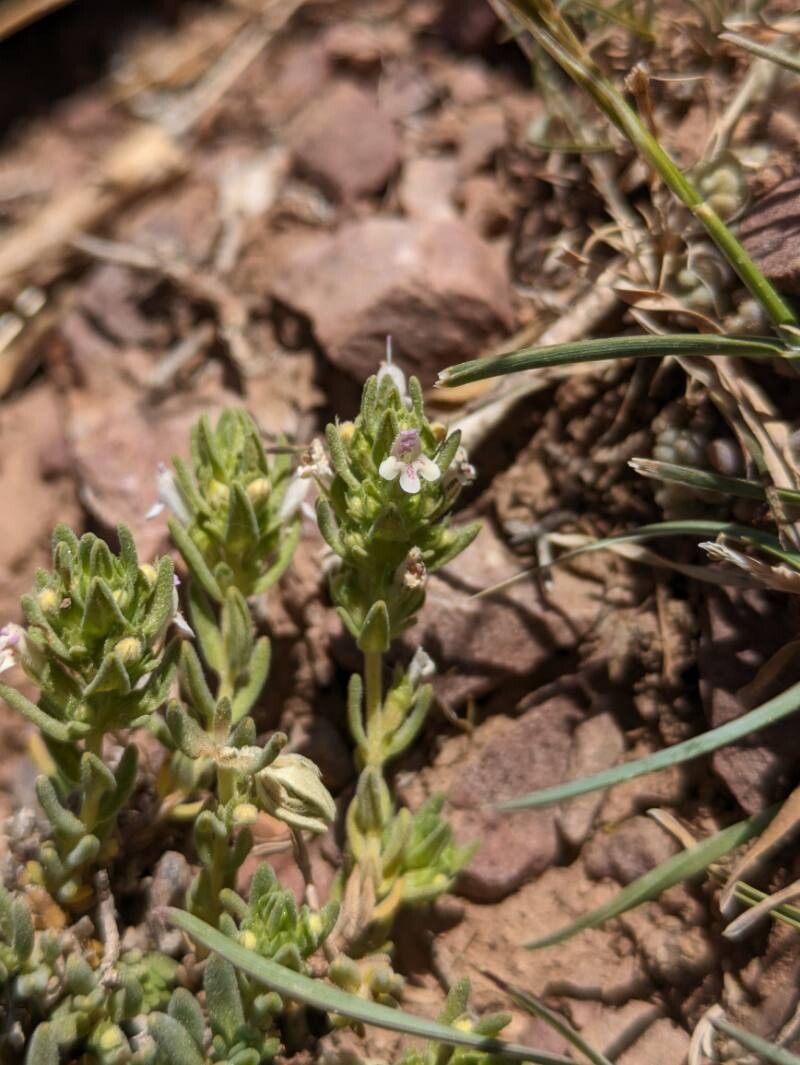
Unlocking the Secrets of Thymus pallidus Propagation: Grow Your Own Fragrant Carpet!
Thymus pallidus, more poetically known as Greek Thyme, is a Mediterranean delight for the senses. This low-growing, woody perennial enchants with its delicate pink flowers and intoxicating lemony scent. But beyond its visual and aromatic appeal lies a surprisingly easy-to-propagate plant that can bring joy to any garden or balcony.
Whether you’re a seasoned gardener or just starting out, this guide will unveil the secrets of successfully propagating Thymus pallidus.
Three Paths to Propagation Success:
Thymus pallidus offers multiple propagation methods, each with its own advantages:
1. Seed Starting for the Patient Gardener:
- Best time: Spring
- Pros: Economical, rewarding experience
- Cons: Requires more time, germination rates can vary
Starting Thymus pallidus from seed allows you to witness the entire lifecycle of the plant. Begin by filling seed trays with well-draining seed-starting mix. Sprinkle seeds lightly over the surface and cover them with a thin layer of vermiculite. Maintain moisture and warmth, and tiny seedlings should emerge in 1-3 weeks.
Pro Tip: Scarifying seeds by gently rubbing them with sandpaper can improve germination rates.
2. Cuttings: A Faster Path to New Plants:
- Best time: Late spring to early summer
- Pros: Quickest method, ensures clones of the parent plant
- Cons: Requires precise timing, some cuttings may not root
Taking cuttings is the most popular method for propagating Thymus pallidus. Select healthy, non-flowering stems and make a clean cut below a node. Remove the lower leaves, dip the cut end in rooting hormone (optional), and place it in a pot filled with a well-draining mix. Maintain moisture and watch for new growth, indicating successful rooting.
Pro Tip: Choose softwood cuttings – those from the new growth – for best results.
3. Division: Multiplying Mature Plants:
- Best time: Spring or fall
- Pros: Easy and effective for rejuvenating established plants
- Cons: Not suitable for very young or small plants
Division is ideal for mature, overgrown Thymus pallidus plants. Carefully dig up the entire plant and gently tease apart the root ball into smaller sections, ensuring each section has sufficient roots and shoots. Replant each division in well-prepared soil, water thoroughly, and watch your fragrant carpet expand!
Post-Propagation Care: Nurturing Your New Plants
Regardless of your chosen method, consistent care is key to successful Thymus pallidus propagation. Here are some essential tips:
- Well-Draining Soil: Thymus pallidus thrives in loose, well-drained soil.
- Sunlight Symphony: Place your plants in a sunny location with at least 6 hours of direct sunlight per day.
- Water Wisely: Water moderately, allowing the soil to dry out slightly between waterings. Overwatering can lead to root rot.
- Pruning Power: Trim lightly after flowering to maintain shape and encourage bushier growth.
Reap the Rewards of Your Labour
By following these steps, you can enjoy the beauty and fragrance of Thymus pallidus in your own garden for years to come. Whether you choose to adorn your rock garden, create fragrant pathways, or simply enjoy its aromatic charm in containers, Thymus pallidus is sure to become a cherished addition to your green haven.