
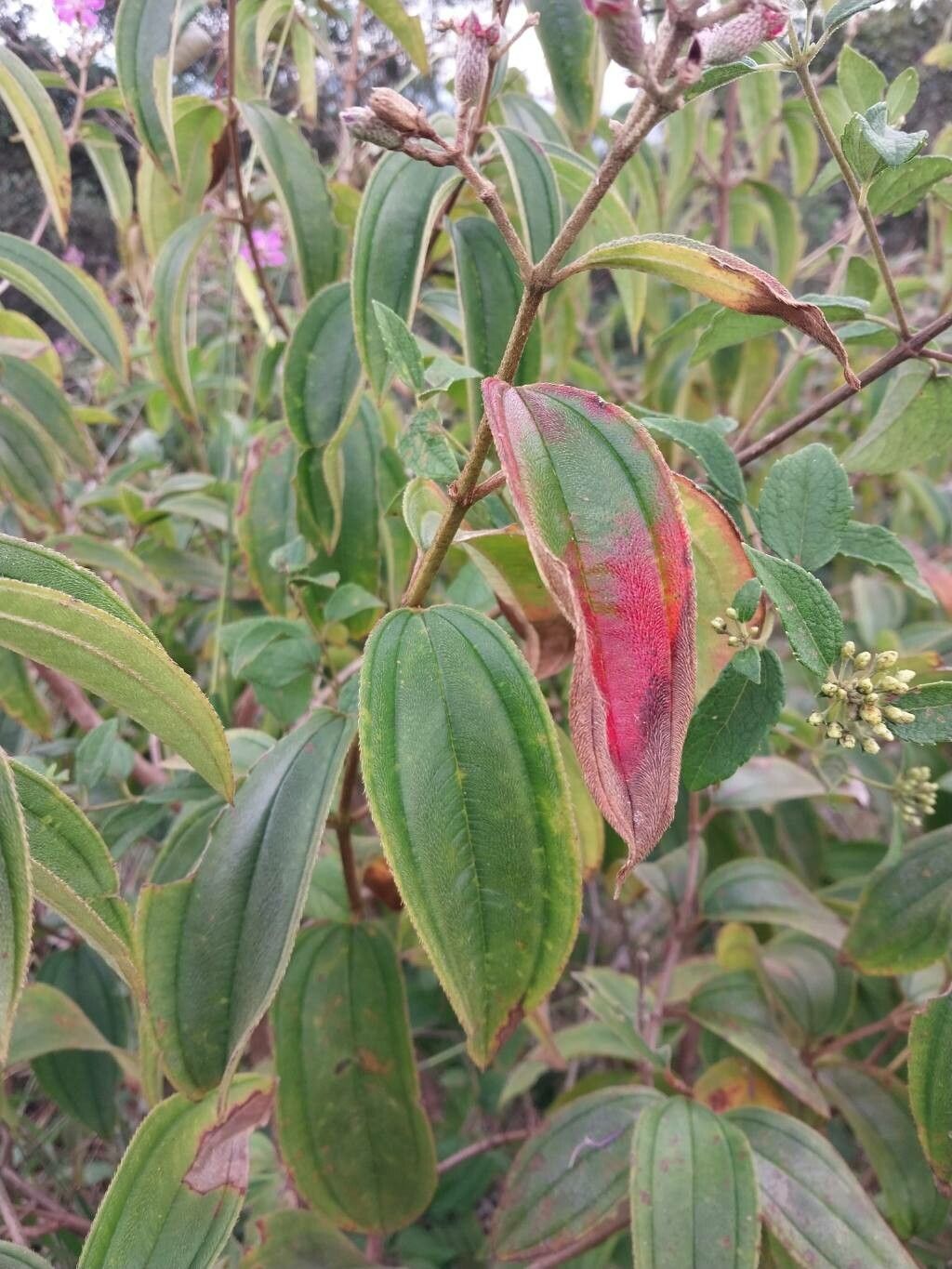
Propagating the Princess Flower: A Guide to Growing Tibouchina bipenicillata
Tibouchina bipenicillata, commonly known as the Princess Flower, is a captivating shrub celebrated for its vibrant purple flowers and striking velvety leaves. Its beauty has earned it a place of prominence in gardens worldwide, making its propagation a topic of interest for many plant enthusiasts. However, unlike some readily propagated plants, Tibouchina bipenicillata presents unique challenges. This article explores various propagation methods, highlighting their viability and offering practical advice.
Seed Germination:
Currently, there are no known reliable methods for seed germination propagation of Tibouchina bipenicillata. While seeds may be produced, their germination rate is extremely low, making this method impractical for most gardeners. Further research into specific germination requirements is needed to determine if this approach could ever be successfully employed on a large scale.
Cuttings:
Cuttings represent the most reliable and widely practiced method for propagating Tibouchina bipenicillata.
- Challenges: Success relies on employing appropriate techniques to prevent rotting and encourage root formation. The semi-hardwood cuttings are prone to fungal infections in humid climates.
- Practical Tips: Take semi-hardwood cuttings (6-8 inches long) in late spring or early summer from the current year’s growth. Remove lower leaves, dip the cut ends in rooting hormone, and plant them in a well-draining potting mix (e.g., a mix of perlite and peat moss). Maintain high humidity (using a cloche or plastic bag) and consistently moist (but not waterlogged) conditions. Bottom heat can improve rooting success. Patience is key; rooting may take several weeks.
- Rewards: Cuttings offer a relatively straightforward method to quickly produce genetically identical plants, ideal for preserving desirable traits within a cultivar.
Division:
Division is feasible for established, mature plants of Tibouchina bipenicillata.
- Challenges: This method is only applicable to larger, well-rooted specimens. Improper division can damage the plant, leading to reduced vigor or death.
- Practical Tips: Divide the plant during the dormant season (late autumn or winter) when the plant is less active. Carefully dig up the plant and carefully separate it into sections, ensuring each section has sufficient roots and stems. Replant the divisions immediately, ensuring they are watered well.
- Rewards: Division allows for the rapid multiplication of a desired plant, avoiding the time investment needed for cuttings.
Tissue Culture:
Tissue culture propagation is a potentially viable but technically advanced method for Tibouchina bipenicillata.
- Challenges: Tissue culture requires specialized equipment, sterile conditions, and a comprehensive understanding of plant tissue culture techniques. This method is generally only suitable for commercial nurseries or research facilities.
- Practical Tips: This method involves sterilizing plant material (explants) and culturing them in a nutrient-rich agar medium under controlled conditions. Factors like humidity, temperature, and light intensity are crucial.
- Rewards: Tissue culture offers the potential for rapid and large-scale propagation, generating disease-free plants, and preserving germplasm.
Conclusion:
Propagating Tibouchina bipenicillata presents unique challenges across all methods. While seed propagation is currently deemed unreliable, cuttings offer the most practical approach for the average gardener. Division provides a quicker route for established plants, and tissue culture holds promise for large-scale production. However, success with any method necessitates careful attention to detail, patience, and a willingness to adapt techniques to the specific environmental conditions. The rewards, the joy of nurturing a cutting into a vibrant, flowering shrub, and the satisfaction of contributing to the propagation of this striking species far outweighs the initial difficulty. Aspiring propagators are encouraged to embrace the learning process, experiment with the techniques outlined, and revel in the beauty of the Princess Flower they successfully cultivate.