
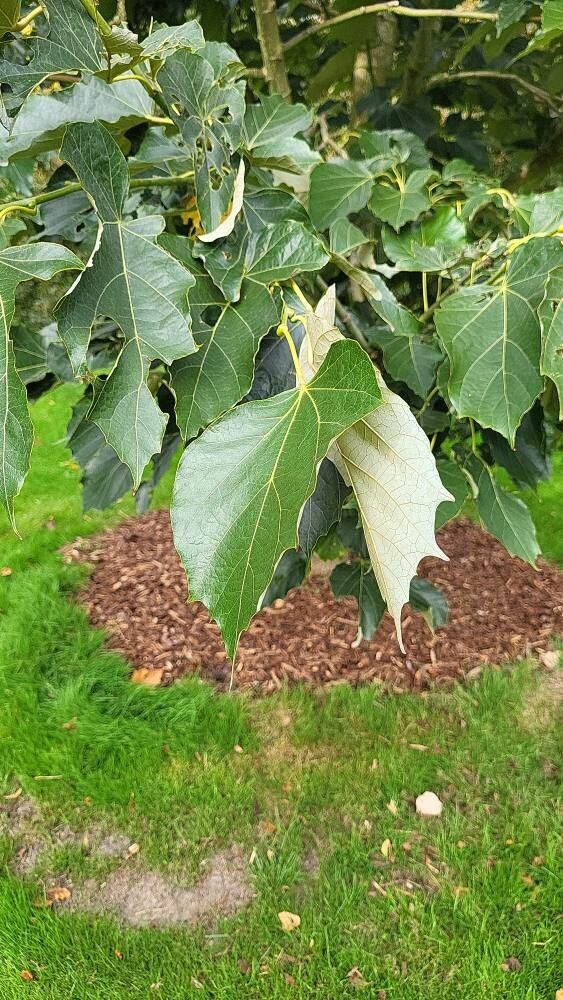
Unveiling the Secrets of Propagating the Golden Lime: Tilia endochrysea
The world of trees is filled with hidden gems, and among them shines the captivating Tilia endochrysea, commonly known as the Golden Lime. This Asian native boasts heart-shaped leaves dipped in rich green, with undersides that shimmer a mesmerizing silver-gold, especially when caressed by the wind. While its beauty is undeniable, propagating this magnificent tree can seem like a challenging feat. Fear not, fellow tree enthusiasts, for we’re about to unveil the secrets of successfully bringing forth new life from the Golden Lime.
Method 1: Starting from Seed – A Test of Patience
Propagating Tilia endochrysea from seed is a rewarding, albeit lengthy, process. Patience is key here, as the journey from seed to sapling can take a couple of years. Here’s how you can embark on this fulfilling endeavor:
Seed Collection and Stratification: Collect mature seeds in the fall and simulate winter conditions through a process called stratification. Place the seeds in a moist medium like vermiculite or sand and store them in a refrigerator (around 4°C or 40°F) for 90-120 days.
Sowing the Seeds: Once spring arrives, sow the stratified seeds in a well-draining seed starting mix, about ½ inch deep. Maintain consistent moisture and warmth.
- Germination and Care: Germination can take several weeks. Provide ample sunlight once the seedlings emerge. Be attentive to their watering needs, keeping the soil consistently moist but not waterlogged.
Method 2: Hardwood Cuttings – A Faster Route to Success
For those seeking quicker results, propagating Tilia endochrysea from hardwood cuttings offers a faster path. While slightly more involved, this method boasts a higher success rate:
Timing is Key: The ideal time to take hardwood cuttings is during the dormant season, ideally in late fall or early winter.
Selecting the Right Cuttings: Choose healthy, dormant shoots from the current year’s growth. Each cutting should be around 6-8 inches long with at least 3-4 nodes.
Preparing the Cuttings: Remove leaves from the lower half of the cutting. Make a fresh cut at the base of the cutting, just below a node, to encourage root development.
Planting the Cuttings: Dip the base of the cuttings in rooting hormone and plant them in a well-draining potting mix, ensuring at least two nodes are buried.
- Creating a Suitable Environment: Maintain a humid and warm environment for the cuttings. A propagation box or covering the pot with a plastic bag can be beneficial.
Nurturing Your Golden Treasures
Whether you choose to propagate Tilia endochrysea from seed or cuttings, providing the right care is essential for their success:
- Sunlight: While young, provide some shade, gradually introducing them to full sun as they mature.
- Water: Consistent moisture is key, but avoid overwatering.
- Fertilizer: Fertilize periodically during the growing season using a balanced fertilizer.
While propagating Tilia endochrysea requires patience and dedication, the reward of witnessing a new generation of these majestic trees unfold is well worth the effort. So, embrace the challenge, and let your gardening journey be gilded with the success of cultivating the magnificent Golden Lime.