
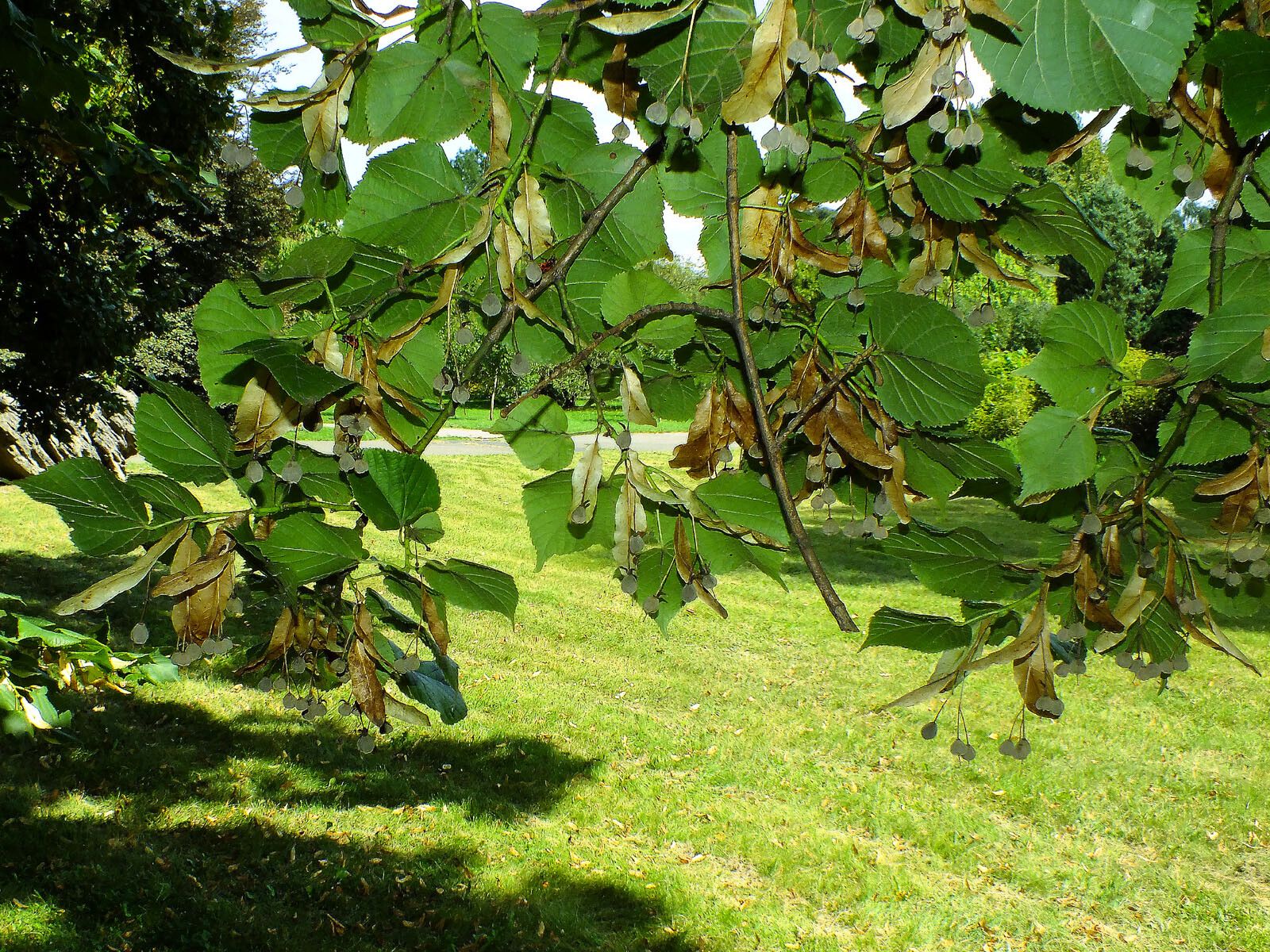
Propagating the Large-Leaved Lime: A Guide to Tilia platyphyllos
Introduction:
Tilia platyphyllos, commonly known as the Large-leaved Lime or Broadleaf Linden, is a majestic deciduous tree prized for its heart-shaped leaves, fragrant creamy-white flowers, and imposing stature. Its shade-providing canopy and delightful scent make it a popular choice amongst gardeners and landscape designers. However, propagating this beautiful tree can present unique challenges. While achieving success requires patience and attention to detail, the rewards—a thriving tree you’ve nurtured from a seed, cutting, or even tissue culture – are exceptionally fulfilling. One unique aspect of Tilia platyphyllos propagation is the often-long juvenile period before flowering, a factor to consider when choosing a propagation method.
Seed Germination:
Seed germination is a viable, albeit challenging, method for propagating Tilia platyphyllos. The primary hurdle is the seed’s hard seed coat and the requirement for a period of stratification—a cold, moist treatment mimicking winter conditions.
Challenges: Low germination rates are common without proper stratification. The hard seed coat impedes water uptake, delaying or preventing germination. Premature germination can occur before the stratification period is complete.
Practical Tips: Collect seeds in autumn when they mature and turn brown. Stratify the seeds for at least three months in moist sand or peat moss at temperatures between 33°F and 41°F (0°C and 5°C). Sow seeds in a well-drained seed-starting mix in spring, placing them only lightly below the surface. Maintain consistently moist but not waterlogged conditions.
Rewards: Seed-grown trees offer high genetic diversity, resulting in unique characteristics and resilience. This method is ideal for large-scale propagation aimed at creating a diverse population.
Cuttings:
Cuttings are a more reliable and commonly used method for propagating Tilia platyphyllos compared to seed germination.
Challenges: Rooting success depends heavily on timing, hormone application, and environmental factors. Hardwood cuttings tend to be more successful than softwood cuttings.
Practical Tips: Take hardwood cuttings in late autumn or early winter from mature, dormant wood. Use a rooting hormone, and plant cuttings in a moist, well-draining medium like a perlite/peat moss mix. Maintain consistent humidity and high light levels using a propagation mat or humidity dome. A rooting greenhouse or misting system often boosts success rates significantly.
Rewards: Cuttings produce genetically identical clones of the parent tree, preserving desirable traits. This method is quicker to establish flowering trees than from seed.
Division:
Division is generally not a practical method for propagating Tilia platyphyllos due to its tree-like form and deep root system. It’s not feasible to divide a mature tree into smaller, independently viable portions.
Currently, there are no known reliable methods for division propagation of Tilia platyphyllos.
Tissue Culture:
Tissue culture offers a highly controlled environment for rapid propagation of Tilia platyphyllos.
Challenges: This method requires specialized equipment, sterile conditions, and expertise in plant tissue culture techniques. Establishing sterile cultures and maintaining consistent growth conditions are crucial.
Practical Tips: Sterile techniques are paramount. Explant selection from young, healthy tissue is vital. Appropriate plant growth regulators must be used to induce shoot proliferation and rooting.
Rewards: Tissue culture allows for mass propagation of genetically identical plants, enabling conservation efforts and large-scale cultivation of superior cultivars.
Conclusion:
Propagating Tilia platyphyllos presents distinct challenges across various methods. Seed germination offers genetic diversity but low success rates. Cuttings present a more reliable approach, although success still depends on meticulous technique. Division is impractical, and tissue culture, although offering large-scale possibilities, needs specialized equipment and knowledge.
Despite the hurdles, the satisfaction of successfully nurturing a Large-leaved Lime from a tiny cutting or a germinated seed is immeasurable. The reward lies not just in the creation of a beautiful tree, but in the journey itself—a testament to patience, perseverance, and a connection to the natural world. Embrace the challenge; the results are exceptionally rewarding for the dedicated propagator.