
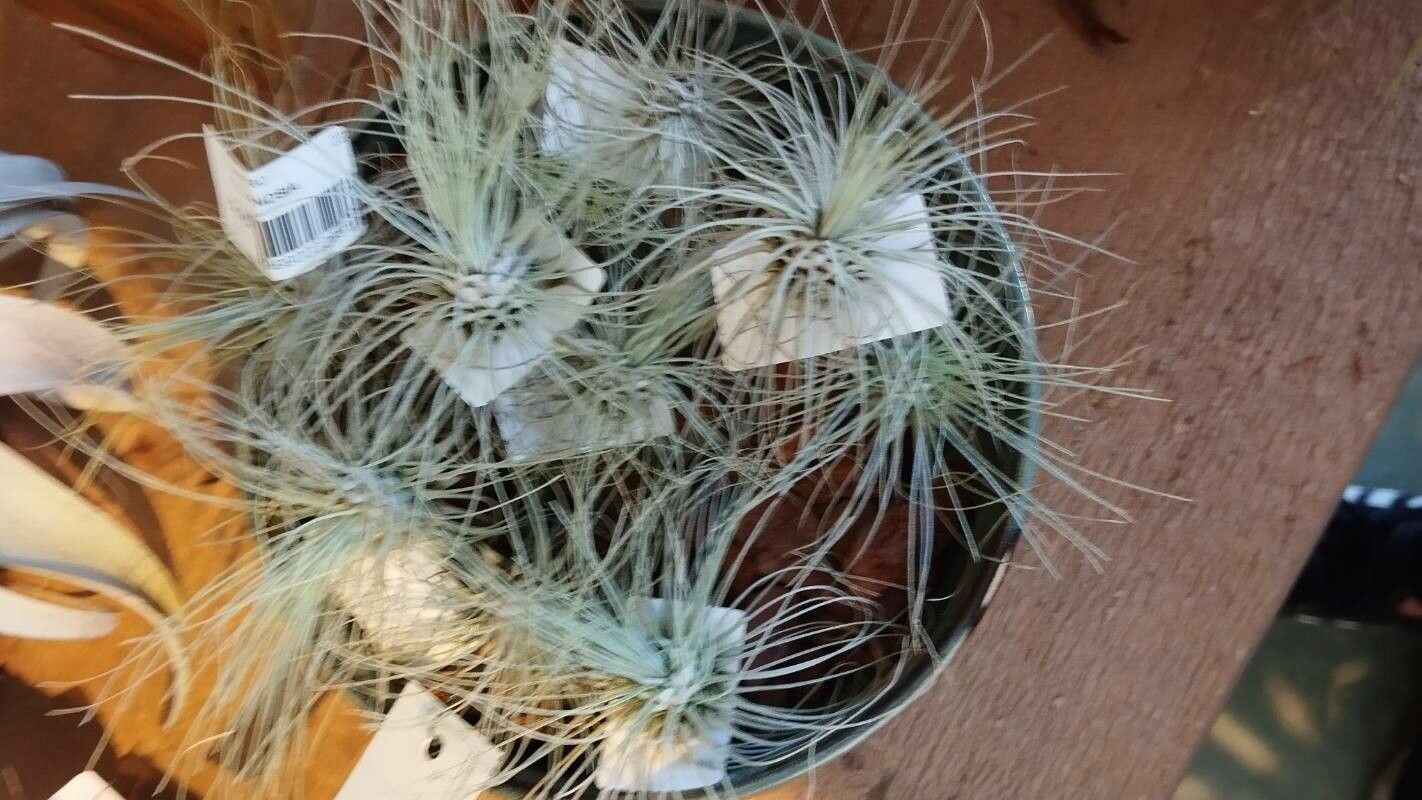
Propagating Tillandsia argentea: The Silver-Leaved Challenge
Introduction:
Tillandsia argentea, also known as the Silver Tillandsia or Silver-leaved Air Plant, is a captivating epiphyte renowned for its striking silvery-white, densely scaled leaves. This captivating appearance, coupled with its relatively low maintenance requirements, has made it a popular choice among air plant enthusiasts. Its unique ability to absorb moisture and nutrients from the air contributes to its fascinating biology and presents both challenges and unique rewards for propagation. While readily available commercially, propagating T. argentea offers a deeper connection to the plant and a chance to contribute to its wider cultivation. However, its propagation, unlike some other Tillandsias, presents unique hurdles.
Seed Germination:
Currently, there are no known reliable methods for seed germination propagation of Tillandsia argentea. While T. argentea does produce seeds, the germination rate is notoriously low, and achieving successful germination under normal horticultural conditions is exceptionally difficult. Factors such as precise humidity and temperature control, specific light exposure, and the provision of a sterile, nutrient-rich germination medium remain largely unexplored for this species. Therefore, seed propagation is currently not a practical method for the average hobbyist.
Cuttings:
Currently, there are no known reliable methods for propagating Tillandsia argentea from cuttings. Unlike some succulents or other plant types, Tillandsia argentea does not readily produce adventitious roots or shoots from stem or leaf cuttings. Attempts at propagation via leaf or stem cuttings have generally proven unsuccessful.
Division:
Division, the separation of a mature plant into multiple smaller plants, is occasionally possible with Tillandsia argentea but is not a highly reliable method. A very large, mature specimen might produce "pups," or offsets, which grow from the base of the mother plant. These pups can be carefully separated once they have developed a substantial root system of their own.
Challenges: Identifying when a pup is ready for separation is crucial. Premature separation will likely result in the death of both the pup and potentially damage to the mother plant. The process requires a sharp, sterile instrument to avoid damaging the delicate tissues.
Practical Tips: Only attempt division when pups are at least one-third the size of the mother plant and have visible roots. Use a clean, sharp knife or scissors. Allow the cut surfaces to callus over for a few days before planting individually.
Rewards: Successfully dividing a T. argentea results in a rapid increase in plant numbers, directly benefiting the propagator.
Tissue Culture:
Tissue culture propagation offers the greatest potential for large-scale propagation of Tillandsia argentea. This advanced technique involves growing plant tissues in a sterile, nutrient-rich medium under controlled environmental conditions. However, it requires specialized equipment, a sterile laboratory environment, and a thorough knowledge of plant tissue culture techniques.
Challenges: Establishing aseptic conditions and selecting appropriate growth media and hormones to stimulate growth are significant hurdles. The process is complex, time-consuming, and expensive, requiring significant technical expertise.
Practical Tips: This method is best left to experienced tissue culture labs or researchers.
Rewards: Tissue culture could potentially overcome the limitations of other methods, allowing for large-scale and genetically uniform propagation of T. argentea.
Conclusion:
Propagating Tillandsia argentea presents unique challenges. While seed germination and cuttings are currently impractical, careful division of large, mature plants offers a viable, albeit limited, option. Tissue culture holds the most promise for large-scale propagation but requires advanced expertise and resources. The rewards, however, are significant – the successful cultivation of this beautiful air plant from a pup or through tissue culture offers a deep sense of accomplishment, a testament to patience and horticultural skill. For aspiring propagators, starting with purchasing a healthy, established plant and learning to care for it is the best first step. Once you’ve mastered the care, then explore the challenges and potential rewards of propagating this exceptional air plant.