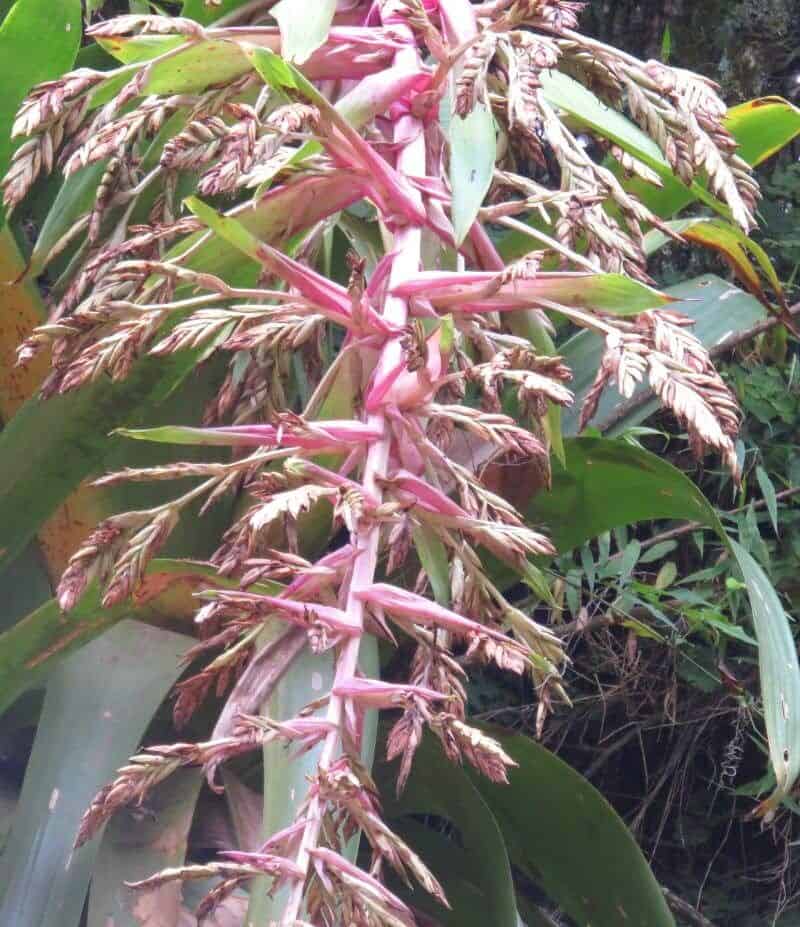
Propagating Tillandsia australis: A Guide to Growing the Southern Airplant
Introduction:
Tillandsia australis, commonly known as the Southern Airplant, is a captivating member of the Bromeliad family, renowned for its elegant, silvery-grey leaves and delicate, lavender-blue flowers. This species, native to southern South America, enthralls gardeners with its low-maintenance nature and striking appearance. Its ability to thrive without soil, absorbing nutrients and moisture from the air, makes it a unique and popular addition to any collection. However, propagating Tillandsia australis presents specific challenges compared to other, more readily propagated plants, primarily due to its slow growth rate and specific environmental needs.
Seed Germination:
Currently, there are no known reliable methods for seed germination propagation of Tillandsia australis. While seed production is possible, the germination rate is notoriously low, and successful seedling cultivation to maturity requires highly specialized conditions and significant expertise, often exceeding the resources of the average home gardener. The prolonged germination period and susceptibility to fungal diseases further contribute to the low success rate.
Cuttings:
Currently, there are no known reliable methods for propagation of Tillandsia australis via cuttings. Unlike some other Bromeliads, Tillandsia australis does not readily produce offsets or pups that can be separated and rooted.
Division:
Division is also not a viable method for propagating Tillandsia australis. This species rarely produces offsets or multiple growth points that could be separated to create new individual plants. Attempts to force division often result in the damage or death of the parent plant.
Tissue Culture:
Tissue culture offers the most promising, albeit technically demanding, route to propagating Tillandsia australis. This laboratory-based method involves cultivating plant tissues aseptically on a nutrient medium. While successful propagation via tissue culture is possible, it requires specialized equipment, sterile techniques, and a detailed understanding of plant hormone application. The rewards of tissue culture include the potential for mass propagation, producing genetically identical plants, and overcoming the limitations of other methods. However, the high initial investment in equipment and expertise makes it largely inaccessible to hobbyists.
Conclusion:
Propagating Tillandsia australis presents significant challenges. Seed germination and vegetative propagation techniques such as cuttings and division are largely ineffective. Tissue culture emerges as the most reliable, albeit resource-intensive, method. The slow growth rate of the species adds another layer of difficulty, demanding patience and consistent care from the cultivator. Despite these hurdles, successfully propagating this beautiful airplant offers a profound sense of accomplishment. The unique beauty of Tillandsia australis, coupled with the difficulties involved in its cultivation, makes each successfully propagated plant a testament to the cultivator’s dedication and expertise. For aspiring propagators, focusing on acquiring a healthy, mature plant and providing optimal growing conditions is the most realistic approach to enjoying this fascinating species. While widespread propagation may remain a challenge, cherishing and maintaining a single, thriving Tillandsia australis is a rewarding horticultural pursuit.