
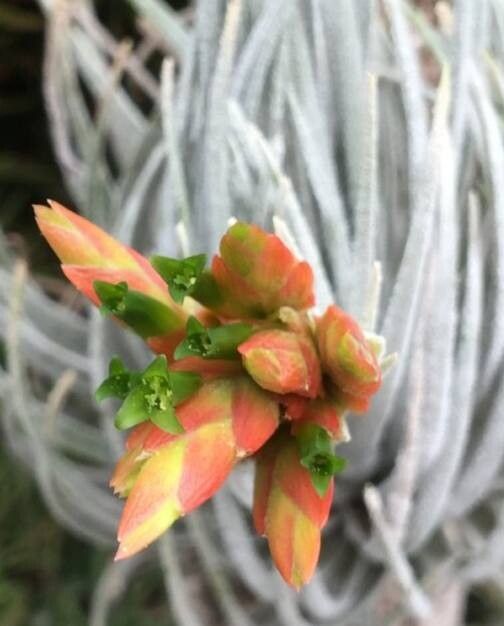
Unlocking the Secrets of Tillandsia boqueronensis Propagation: A Guide to Multiplying Your Sky Plant
Tillandsia boqueronensis, with its captivating silvery foliage and vibrant blooms, is a highly sought-after air plant amongst plant enthusiasts. But did you know that propagating these beauties is surprisingly achievable, even for beginners? This guide will delve into the fascinating world of Tillandsia boqueronensis propagation, equipping you with the knowledge to expand your collection and share the joy of these unique plants.
Understanding Tillandsia boqueronensis
Before we dive into propagation, it’s crucial to understand the plant itself. Hailing from the dry forests of Bolivia, Tillandsia boqueronensis is an epiphyte, meaning it naturally grows on other plants for support, deriving moisture and nutrients from the air and rainfall. This inherent adaptability makes them relatively low-maintenance compared to traditional potted plants.
The Magic of Pups: The Primary Propagation Method
Tillandsia boqueronensis primarily reproduces through offsets, affectionately known as “pups.” These miniature clones sprout from the base of the mother plant, signaling new life and offering the easiest route to propagation.
Here’s how you can propagate Tillandsia boqueronensis from pups:
- Identifying & Separating Pups: Once a pup reaches at least one-third the size of its mother, it’s generally safe to separate. Gently wiggle the pup at its base, feeling for a natural separation point. If it doesn’t detach easily, allow it to grow larger before attempting again.
- Preparing for Planting: After separating the pup, carefully remove any dried leaves at the base. This not only enhances its aesthetic appeal but also promotes healthy growth.
- Providing a Nurturing Environment: Tillandsia boqueronensis thrives in bright, indirect light and well-ventilated spaces. Mount your pup on a piece of driftwood, cork bark, or simply place it in a shallow dish. Avoid burying the base, as this can lead to rot.
- Watering & Care: Mist your Tillandsia boqueronensis pup 2-3 times a week, ensuring it dries completely between waterings. Alternatively, you can submerge it in water for 20-30 minutes once a week. Remember, good air circulation is crucial!
Beyond Pups: Exploring Seed Propagation
While slower and less common, propagating Tillandsia boqueronensis from seeds offers a rewarding challenge.
Here’s a glimpse into the process:
- Obtaining Seeds: Tillandsia boqueronensis seeds are readily available online or through specialized nurseries.
- Sowing the Seeds: Scatter the seeds over a well-draining medium like a mix of sphagnum moss and perlite. Do not bury them, as they require light for germination.
- Creating a Humid Environment: Cover the container with a clear lid or plastic wrap to maintain high humidity levels, crucial for germination.
- Patience is Key: Seed germination can take several weeks to months. Once seedlings are established, gradually acclimate them to lower humidity before transplanting.
Tips for Successful Propagation:
- Optimal Timing: Spring and summer offer the best conditions for propagation, coinciding with the plant’s natural growth cycle.
- Sterilized Tools: Always use clean, sterilized tools when separating pups or handling seeds to prevent the spread of diseases.
- Observation is Key: Regularly monitor your Tillandsia boqueronensis for any signs of stress, adjusting watering and lighting as needed.
Propagating Tillandsia boqueronensis is a fulfilling endeavor that allows you to connect with nature’s ingenuity. With patience, the right knowledge, and a little TLC, you’ll soon be enjoying a flourishing collection of these captivating sky plants.