
From One to Many: How to Propagate the Exquisite Timonius uniflorus
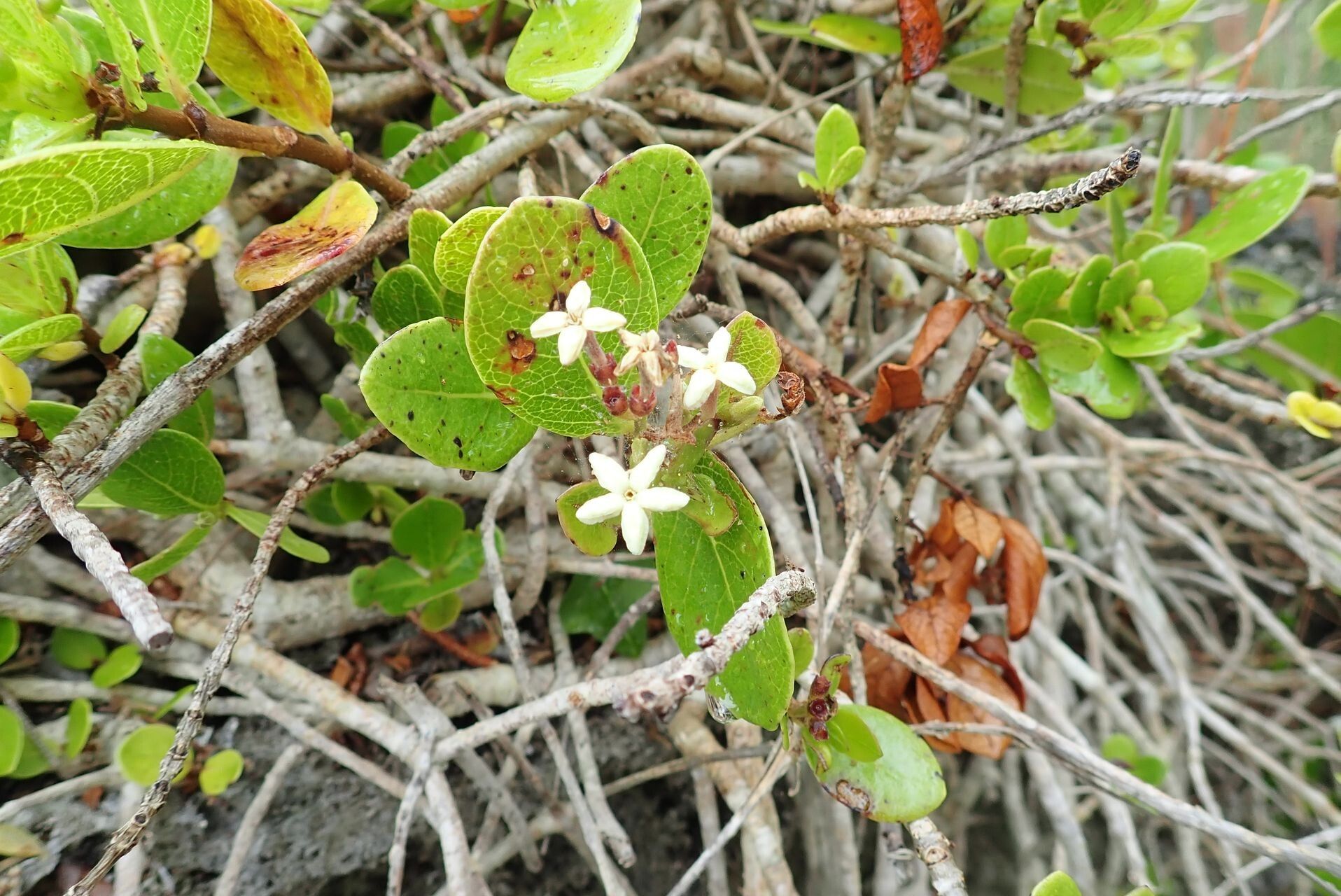
Do you have a magnificent Timonius uniflorus, also known as the “Timonius,” in your garden? This enchanting plant with its glossy leaves and fragrant white blooms is a sight to behold. But what if you could share this beauty with others, or even expand your own collection? The answer: propagation!
Propagation, the process of creating new plants from existing ones, is a rewarding and satisfying endeavor. It allows you to enjoy more of your favorite species and even share your green thumb with others. Let’s delve into the world of Timonius uniflorus propagation, specifically focusing on the two most common methods:
1. Seed Propagation: A Journey from Seed to Sapling
Timonius uniflorus is known to produce seeds, offering a chance to start new plants from scratch. Here’s how you can embark on this exciting journey:
- Harvest Mature Seeds: Once the white flowers fade, the plant will develop small, round fruits. Wait for the fruits to turn reddish-purple and soft, then harvest them.
- Extract Seeds: Gently squeeze the fruits to release the seeds. Rinse them thoroughly to remove any remaining pulp.
- Seed Preparation: Allow the seeds to dry in a well-ventilated area for a couple of days. This will prepare them for planting.
- Sowing: Sow the seeds in a seed tray filled with a well-draining seed-starting mix. Water gently and cover the tray with a clear plastic dome or plastic wrap to create a humid environment.
- Germination: Timonius uniflorus seeds can take a few weeks to germinate. Maintain a consistent temperature of around 70-75°F and provide indirect sunlight.
- Transplanting: Once the seedlings develop a few sets of true leaves, they are ready to be transplanted into individual pots with a well-draining potting mix.
2. Cuttings: Creating New Plants from Stems
For quicker results, you can opt for propagation via cuttings. This method utilizes stem segments to develop roots and grow into new plants.
- Choose Healthy Stems: Select non-flowering stems with a firm, healthy appearance. Ideally, these stems should be semi-hardwood, with a slightly brown, woody texture.
- Prepare Cuttings: Make a clean cut just below a leaf node, removing the leaves below the cut. Dip the cut end in rooting hormone to stimulate root growth.
- Planting Cuttings: Plant the cuttings in a sterilized rooting medium like vermiculite or perlite. Keep the medium moist and maintain a temperature of around 70-75°F.
- Rooting: Rooting typically takes a few weeks. You’ll know the cuttings are taking hold when they start developing new growth.
- Transplanting: Once the cuttings have established roots, transplant them into individual pots with well-draining potting mix.
Tips for Success:
- Moisture is Key: Provide adequate moisture for both seeds and cuttings to ensure successful rooting.
- Sunlight and Ventilation: Ensure good air circulation and provide indirect sunlight.
- Patience is a Virtue: Propagation can take its time. Be patient and consistent with your care, and your Timonius uniflorus will reward you with vibrant new plants.
Sharing the Beauty:
Propagating Timonius uniflorus allows you to share this stunning plant with others. You can gift rooted cuttings to friends and family, or even sell them online or at local plant markets. Seeing your propagated plants thrive in other gardens is truly a rewarding experience.
Conclusion:
Propagation is a beautiful and versatile way to expand your garden and share your passion for plants. Whether you choose the seed method or the quicker route of cuttings, both are rewarding experiences that allow you to create more of the exquisite Timonius uniflorus. So, get ready to embark on your propagation journey and enjoy the delightful process of nurturing life from a single plant into a multitude of thriving green wonders.