
Unleashing the Beauty of Tordylium maximum: A Guide to Propagation
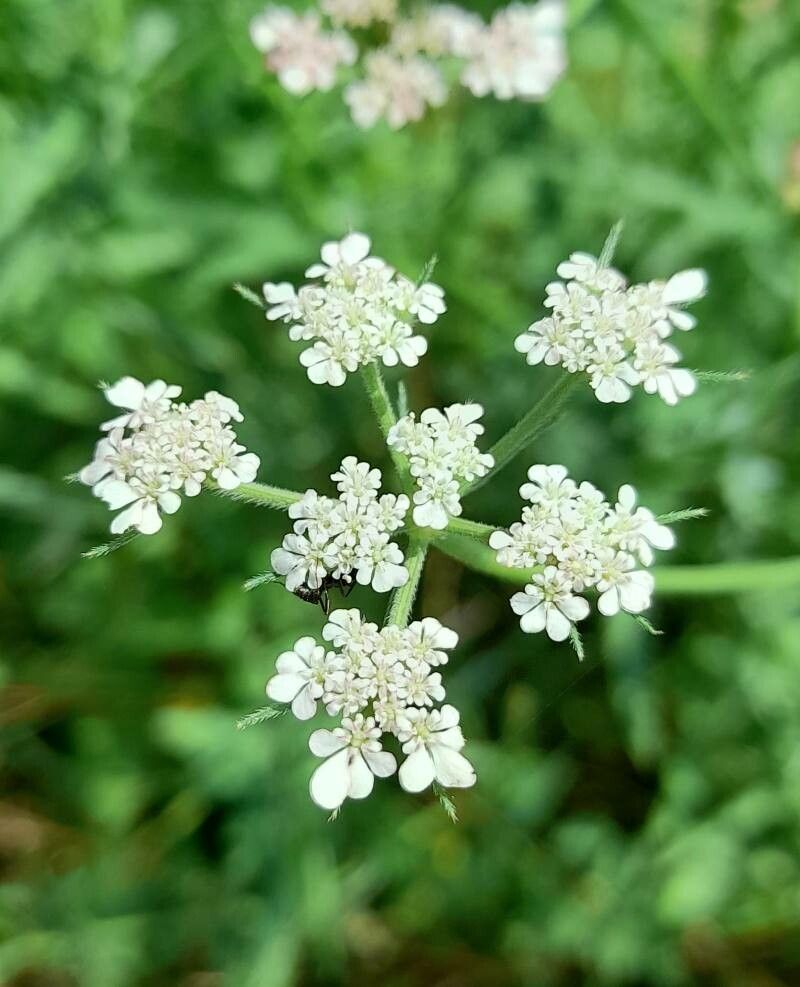
Tordylium maximum, also known as the Great Hartwort, is not your average garden variety flower. This striking plant, with its intricate, lacy flower heads resembling delicate white umbrellas, adds a touch of wild elegance and architectural interest to any garden fortunate enough to host it. If you’re looking to invite this unique beauty into your outdoor space, understanding its propagation is key to success.
While readily available in some nurseries specializing in less common plants, propagating your own Tordylium maximum can be a rewarding experience. Let’s explore the two primary methods:
1. Seed Sowing: Embracing the Element of Surprise
Tordylium maximum is a biennial, meaning it completes its lifecycle within two years. This characteristic makes seed sowing the most common and effective method of propagation. Here’s how to do it:
- Timing is Everything: Sow seeds in late summer or early fall, ideally directly into the ground or in pots placed outdoors. This timing allows the seeds to experience the natural winter chilling they require for successful germination.
- Location, Location, Location: Choose a location with well-drained soil and full sun to partial shade. Tordylium maximum enjoys a bit of sunshine but can tolerate some shade, especially in warmer climates.
- Sowing with Care: Scatter the seeds thinly on the soil surface and lightly press them in, ensuring they maintain good contact with the soil.
- Patience is a Virtue: Germination can be slow, taking anywhere from a few weeks to a couple of months, depending on the weather conditions.
- Thinning Out the Competition: Once seedlings emerge and have developed a few true leaves, thin them out to provide ample space for growth. A spacing of 12-18 inches between plants is ideal.
2. Division: Multiplying Mature Plants
While less common than seed propagation, dividing established Tordylium maximum clumps can be done in early spring or fall. Follow these steps:
- Divide and Conquer: Carefully dig up a mature plant, ensuring you lift a good portion of the root system.
- Gentle Separation: Using a sharp, clean knife or garden spade, divide the clump into smaller sections, ensuring each section has a healthy portion of roots and shoots.
- Replanting: Transplant the divisions into their new locations, ensuring they are planted at the same depth they were previously growing. Water them in well.
Caring for your Tordylium Maximum
Once established, Tordylium maximum is relatively low-maintenance. Here are some tips for keeping your plants thriving:
- Watering: While tolerant of some drought once established, regular watering during the growing season (spring and early summer) is beneficial.
- Fertilizing: Generally, Tordylium maximum doesn’t require heavy feeding. However, amending the soil with compost before planting or applying a balanced fertilizer in spring can promote healthy growth.
- Deadheading: While not essential, removing spent flower heads can encourage more blooms and prevent self-seeding if you want to control its spread.
The Rewards of Growing Tordylium Maximum
With its unique beauty and relatively easy-going nature, Tordylium maximum is truly a rewarding plant to grow. Whether you choose to propagate by seed or division, you’ll be enchanted by its intricate blooms and the pollinators it attracts to your garden. So, why not give it a try and unleash the beauty of Tordylium maximum in your outdoor space?