
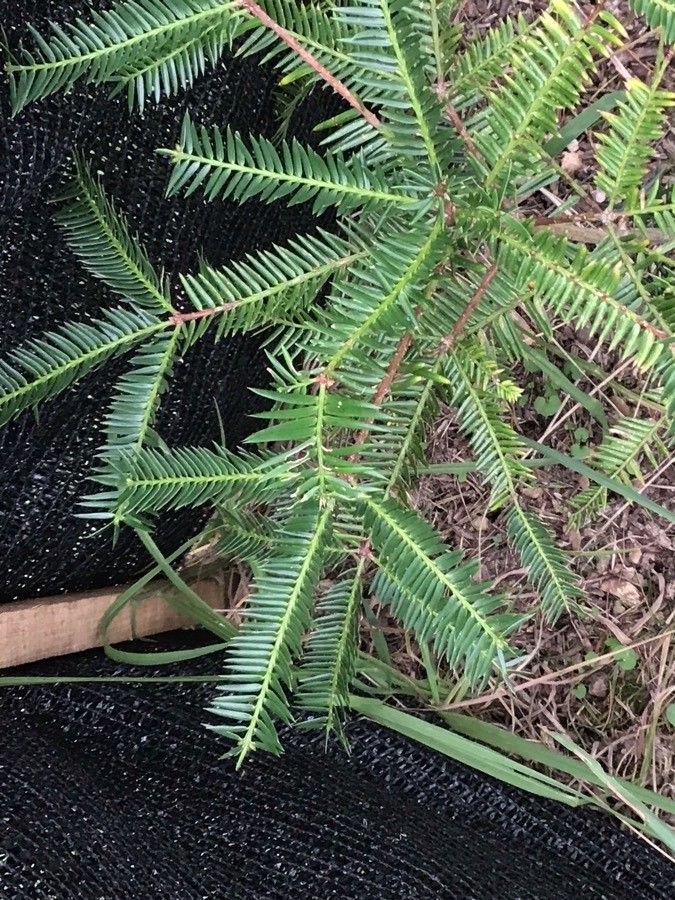
Torreya Grandis: A Guide to Propagating This Ancient Conifer
Torreya grandis, also known as the Chinese torreya or the stinkwood (don’t worry, the “stink” is only in the name!), is a fascinating and unique tree. This ancient conifer boasts beautiful, dark-green foliage and striking reddish-purple seeds, making it a welcome addition to any garden. But unlike many common conifers, propagating Torreya grandis from seed can be a bit tricky. Let’s dive into the methods and best practices for bringing this magnificent tree into your own landscape.
Understanding the Challenge:
The primary obstacle to Torreya Grandis propagation from seed is its notoriously long germination period. Seeds can take anywhere from 1 to 3 years to sprout. This extended dormancy is due to a hard, protective seed coat that needs to be weakened before the embryo can germinate.
Methods for Propagation:
1. Direct Sowing:
- Pre-Treatment: Patience is key. While you can directly sow seeds into well-drained soil in the fall, the chances of germination within a year are slim.
- Stratification: For better success, cold stratification is the recommended method. Simply place seeds in a moist medium (peat moss or vermiculite) and store them in a refrigerator at 40°F (4°C) for 3-6 months. This mimics the natural winter conditions the seeds would experience.
- Sowing Time: After stratification, sow the seeds outdoors in a well-prepared bed in the spring, ensuring good drainage.
- Location: Choose a partially shaded location, providing dappled sunlight which is ideal for your Torreya Grandis.
2. Seedling Propagation:
- Nursery Purchase: If you’re looking for a faster route, obtaining young seedlings from a nursery is a viable option.
- Patience: Even with seedlings, expect slow growth in the early years.
3. Cuttings:
- Difficulty: Torreya Grandis is generally challenging to propagate using cuttings. This method is rarely employed.
Important Considerations:
- Soil: Torreya Grandis prefers well-drained, slightly acidic soils.
- Watering: Water regularly, especially during dry periods, but avoid overwatering.
- Fertilization: You can fertilize in the spring with a balanced, slow-release fertilizer.
- Sunlight: Torreya Grandis prefers filtered sunlight or partial shade.
Patience Rewarded:
The wait and effort involved in propagating Torreya Grandis from seed are well worth it. This resilient tree can create a beautiful focal point in your garden, offering year-round interest with its evergreen foliage and striking red seeds. By following these tips and being patient, you can successfully bring the beauty and ancient charm of Torreya Grandis into your own landscape.