
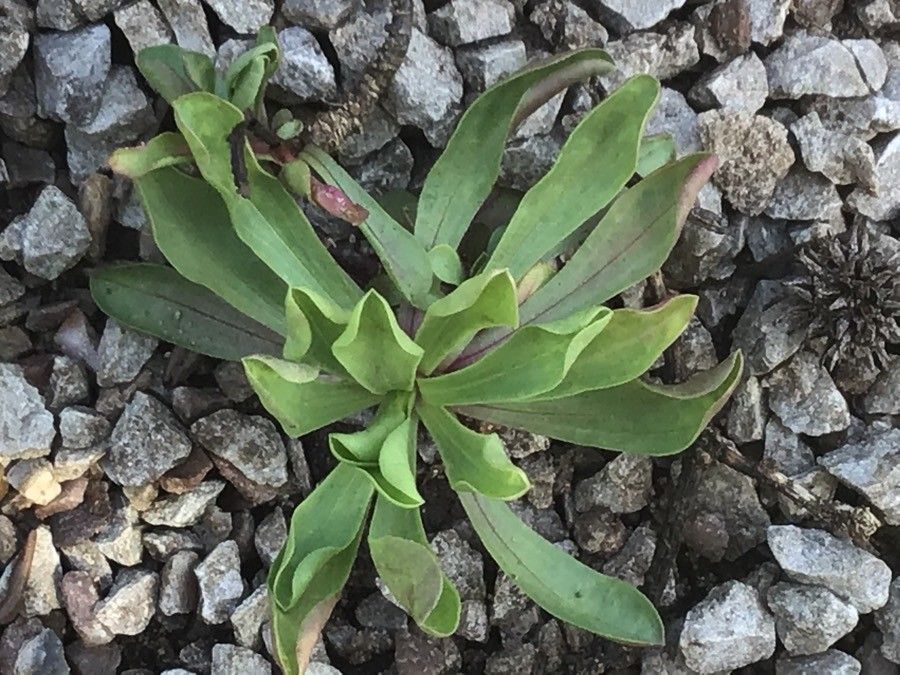
Propagating the Showy Townsendia: A Gardener’s Guide to Townsendia formosa
Introduction
Townsendia formosa, also known as the showy townsendia, is a captivating alpine plant prized for its vibrant, daisy-like flowers and its adaptability to challenging conditions. Native to the high-elevation meadows of the Rocky Mountains, its resilience and beauty have earned it a devoted following amongst rock garden enthusiasts and those seeking unique additions to their alpine collections. Propagating this species can be rewarding but presents unique challenges due to its specialized environmental needs. This guide explores various propagation methods, highlighting their viability and offering practical advice for success.
Seed Germination
Seed germination in Townsendia formosa is possible, but presents significant challenges. The seeds are notoriously small and possess dormancy mechanisms that require careful handling.
Challenges: Low germination rates are common, often due to the need for cold stratification and the sensitivity of seedlings to fungal diseases.
Tips for Success: Successful germination requires a period of cold stratification (e.g., 4-8 weeks at temperatures near 4°C (39°F)) before sowing. Sow seeds thinly on moist, well-draining seed-starting mix. Maintain consistent moisture but avoid overwatering, which can lead to damping-off (a fungal disease). Germination typically occurs within several weeks after stratification, but patience is key as it can be a slow process.
Rewards: Successful seed germination offers the greatest genetic diversity, making it ideal for creating a robust and varied population. It also provides the possibility of large-scale propagation for conservation or commercial purposes.
Cuttings
Currently, there is limited reliable information on propagating Townsendia formosa from cuttings. Further research is needed to determine the feasibility and optimal techniques for this method.
Division
Division is a viable method for propagating Townsendia formosa, particularly for established plants.
Challenges: This method is limited by the size and health of the mother plant. Disturbing the root system can be stressful, potentially impacting the survival rate of the divisions. Careful handling is essential to avoid damage to the delicate roots.
Tips for Success: Division is best undertaken in early spring or autumn when the plant is actively growing. Carefully dig up the entire plant and gently separate it into smaller clumps, each containing a healthy portion of roots and foliage. Replant the divisions immediately in well-draining soil, ensuring adequate spacing.
Rewards: Division offers a quicker and more reliable method of propagation compared to seed germination, particularly for experienced gardeners.
Tissue Culture
Tissue culture techniques are not commonly employed for Townsendia formosa propagation. More research is needed to establish optimized protocols for this method.
Conclusion
Propagating Townsendia formosa presents a unique set of challenges, particularly with seed germination. While division offers a more reliable alternative, patience and a careful approach are crucial for success with any chosen method. The rewards, however, are substantial – the satisfaction of nurturing these delicate plants from seed or division, contributing to their conservation, or sharing their beauty with fellow enthusiasts. For aspiring propagators, starting with division of a healthy plant might be the most successful approach. Remember to prioritize well-draining soil, careful watering, and protection from excessive heat or humidity. The exquisite blooms of Townsendia formosa are a testament to the rewards that patience and dedication can bring in the world of alpine gardening.